
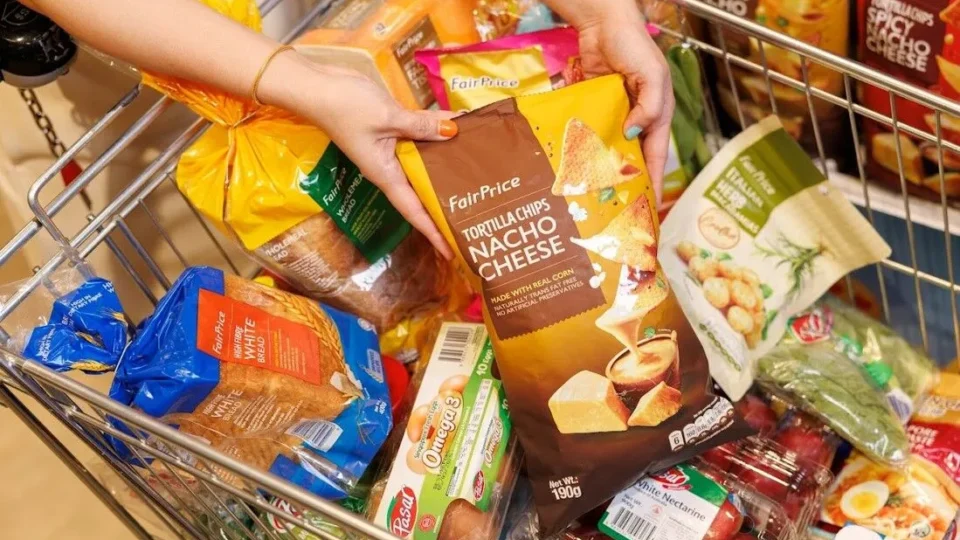
Private label brands have been on a tear the last few years: after decades spent in the shadows of national brands, a confluence of events has given private label brands an edge and helped them shed that “bottom-shelf” reputation.
In the U.S., sales of store brands hit a new high in 2025, reaching a record $282.8 billion, according to the Private Label Manufacturers Association’s new Circana Unify+ data. The same trends can be seen in other major markets around the globe — from Europe, where store brands have been seen as more than a budget alternative for some time now, to Asia-Pacific, where private label uptake also is growing.
There’s no denying it — private label is going mainstream. And one of the most interesting case studies of private label development might be that of Singapore’s FairPrice Group. The company has more than 3,500 private label products and now owns the market-leader product in 28 of the 70 categories it plays in, making it the largest CPG company in the country, bigger than Unilever, P&G and Nestlé combined. In fact, its products have become so popular that FairPrice Group has begun exporting them to other Asian markets where it doesn’t have a retail presence.
To be fair, Singapore, being an island, is a relatively small, somewhat isolated market. At 284 square miles, the country is slightly smaller than New York City, with a population of 6 million, roughly the same as the state of Missouri. But FairPrice Group and its approach to private label development are interesting anywhere you are in the world.
FairPrice: A Retailer Formed by the Government
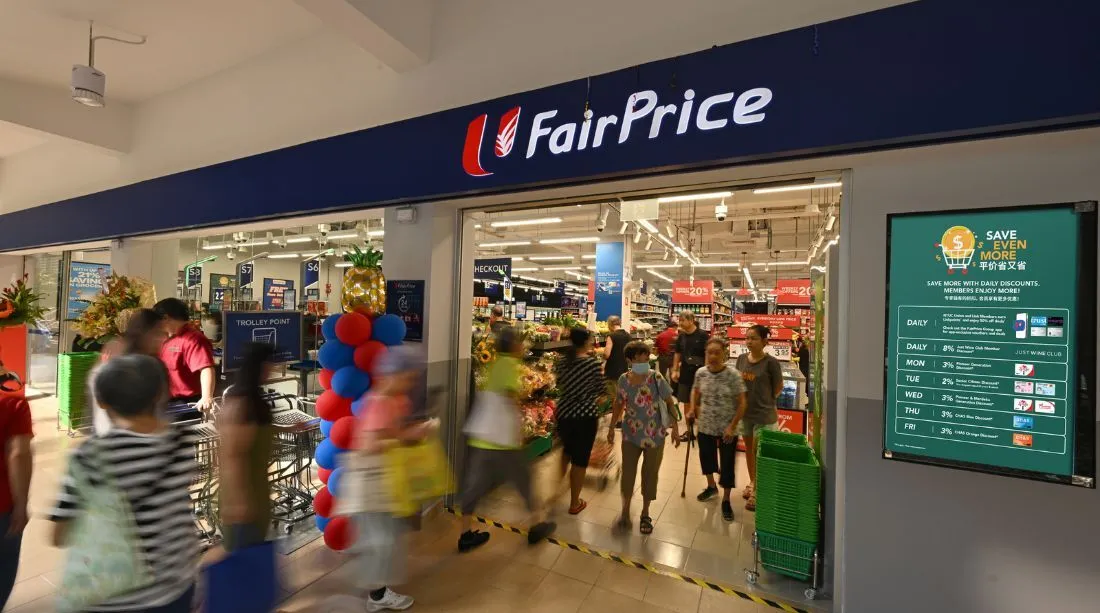
First of all, the company didn’t form the way most retailers traditionally do.
Things tend to be more expensive on islands, especially smaller ones without the space or means to produce products themselves. Singapore imports its food from more than 100 countries, so availability and affordability are constant struggles. The company began life as a single cooperative supermarket in 1973, formed in partnership between the Singaporean government and the National Trades Union Congress (NTUC), the country’s national trade union.
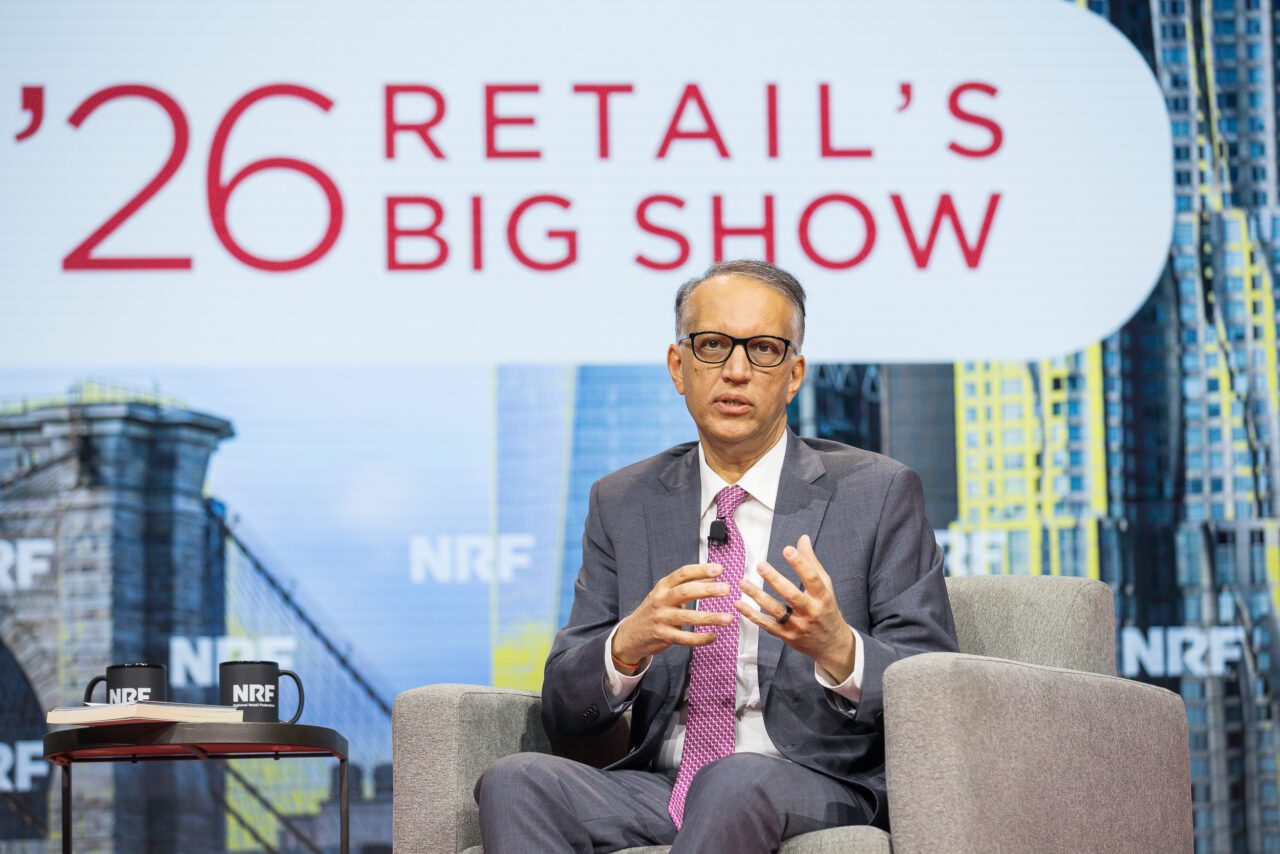
“This whole experiment, which was created 53 years ago and formed as a co-op, is still alive and well, which means it has stood the test of time,” explained Vipul Chawla, Group CEO of FairPrice Group during a keynote address at the NRF Big Show earlier this month. “It helps us serve society, serve the communities we operate in, and that structure has remained. Despite that, we are able to compete, and we do it in a way which has a sense of financial discipline.”
The goal was simple and has remained the same — keep prices low. Private label is, of course, an important means to that end. But just as the company was founded untraditionally, FairPrice Group’s private label business also operates outside of the norm in some ways.
FairPrice CEO: ‘We Want our CPG Company to Compete Full-on’
Unlike the structure at most retailers, the CEO of FairPrice’s Own Brands & Food Solutions division, Grace Cha, reports not to the Chief Merchandiser, but directly to Chawla himself. “We chose to design it like this because we want our CPG company to compete full-on with the CPG companies we compete with in Singapore,” Chawla said.
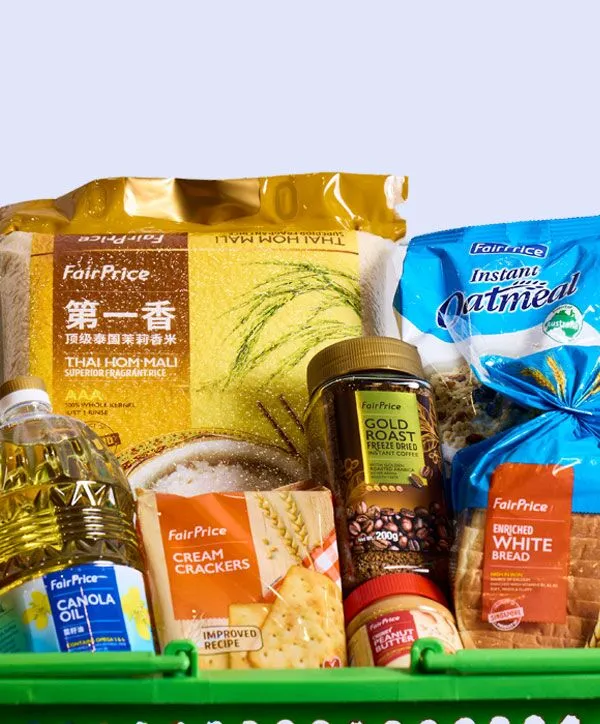
Notice that Chawla refers to it not as the “owned brands” or “private label” division, but as “our CPG company” — it’s an important distinction that highlights the company’s approach. At FairPrice Group, private label is a business in and of itself, not simply an offshoot of the grocery store.
Chawla said the company has focused on hiring talent for the division from other big names in CPG. And in that same spirit of competition, the company has rigorous development standards for its products: “We do not progress the product in the funnel until it wins on blind test, and we don’t launch it unless it’s at a 15% discount [compared to] the market leader competition,” said Chawla.
Innovation is Part of the Asian Mindset
That’s how FairPrice has been able to snag the market-leader position in 28 categories. In fact, its products have become so popular that the company is now starting to export the brand to other parts of Asia where it has no presence as a retailer.
Across the board, it’s clear that FairPrice Group does things differently, and the development of what is now becoming a multi-national CPG label is just one example.
When asked by session moderator Jordan Berke of Tomorrow if there was something innate to the Asian market that made this innovation mindset possible, Chawla said: “I’ve lived and worked in different parts of the world, including the U.S. and Europe, and one of the things I’ve realized where Asia stands a little apart is agility — so, when we find an idea that we like, we move quickly — and humility. We realize that we don’t have the answers, but we know how to make friends with a lot of great people who do have the answers. I think a combination of agility and humility keeps us moving forward.”