

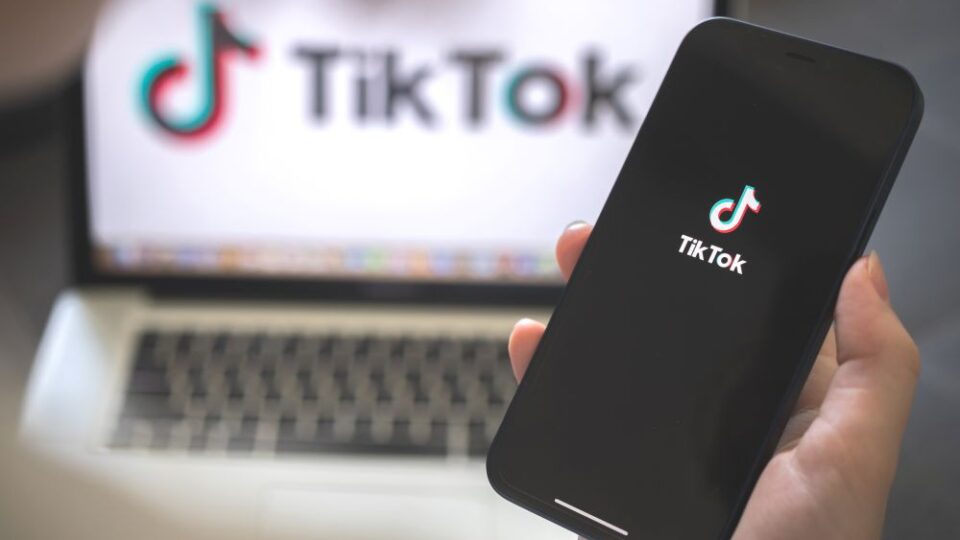
[Update as of Dec. 22, 2025] TikTok has reportedly signed on to a deal approved by President Donald Trump in September 2025 that would limit ByteDance — TikTok’s Chinese owner — to a 20% stake in a U.S. spinoff company. The agreement would keep TikTok and its fast-growing TikTok Shop ecommerce division operating in the U.S. ByteDance CEO Shou Chew reportedly told employees about the deal in a memo on Dec. 18, according to Axios and CNN.
“We have signed agreements with investors regarding a new TikTok U.S. joint venture, enabling over 170 million Americans to continued discovering a world of endless possibilities as part of a vital global community,” Chew said in the memo, which was obtained by CNN.
While Chew did not provide specifics about the purchasers, in September 2025 the Wall Street Journal reported that the new U.S. entity would be controlled by an investor consortium including Oracle and investment firms Silver Lake and Andreesen Horowitz.
TikTok’s fate in the U.S. has been hanging in the balance for several years now. The pressure for the company to divest notched up in April 2024, when President Joe Biden signed a law requiring TikTok to either sell or be banned from U.S. operations. In January 2025 the U.S. Supreme Court upheld the law, but President Trump has repeatedly delayed enforcement as negotiations continued.
Trump Approves Plan to Keep TikTok Operating in the U.S. by Limiting ByteDance to 20% Ownership
Original story from Sept. 26, 2025 begins-
[Update as of Sept. 26, 2025] President Donald Trump has signed an executive order that will allow TikTok and its increasingly popular ecommerce platform TikTok Shop to continue operating in the U.S. A framework agreement based on an interagency process that included the National Security Council, the Office of Science and Technology Policy, the Director of National Intelligence and the Departments of Treasury, Justice and Commerce would limit the platform’s Chinese owner ByteDance from owning more than 20% of the company.
The new U.S. entity would be controlled by an investor consortium including Oracle and investment firms Silver Lake and Andreesen Horowitz, according to the Wall Street Journal.
If the President determines that the final deal constitutes a “qualified divestiture,” the company would be “majority-owned and controlled by United States persons and will no longer be controlled by any foreign adversary,” according to a White House press release. Such a divestiture would put the “operation of the algorithms and code, as well as content-moderation decisions, under the control of the new joint venture” as well as requiring the storage of U.S. user data in a “cloud environment run by an American company.”
The new executive order adds another 120 days’ delay of the ban enforcement, postponing any action until January 2026, unless, of course, a final deal can be reached.
Original story from Sept. 25, 2025 begins-
TikTok’s U.S. operations have been given a fourth reprieve thanks to a Sept. 16 Executive Order from President Donald Trump delaying enforcement of the ban until Dec. 16, 2025. This follows the June 2025 order postponing the ban for a third time; the law was supposed to take effect in January 2025. TikTok U.S. is currently owned and operated by Chinese firm ByteDance.
The stakes are high all around, particularly in the retail arena: TikTok Shop has become a powerhouse commerce vehicle just two years after its launch.
Additionally, reporting by CNBC and the Wall Street Journal has revealed the contours of a deal in the works that would have TikTok controlled by an investor consortium including Oracle and investment firms Silver Lake and Andreesen Horowitz. A new entity would be formed to run the app, with the U.S. investors holding roughly an 80% stake and Chinese shareholders the remainder.
However, the negotiations are “one part of the complex economic and trade negotiations between Washington and Beijing, along with other thorny questions like the fate of chip maker Nvidia’s exports to China,” according to the WSJ article. If this deal actually goes through, existing U.S. TikTok users would be asked to shift to a new app that TikTok has built and is testing, according to people familiar with the matter.