
The start of the new year brings the retail industry closer to an important inflection point. By the beginning of 2027, every point of sale (POS) system must be able to scan 2D barcodes such as QR codes in the GS1 Digital Link format. At first glance, this may sound like a familiar technology update, the kind retailers have managed many times before. But this shift goes well beyond swapping scanners or updating software.
Sunrise 2027 signals a bigger industry transformation and offers several strategic opportunities for savvy cross-functional retail teams. Retailers that embrace this change early will strengthen traceability, boost operational resilience and build deeper engagement at the shelf.
Sunrise 2027: More Than a Checkout Upgrade
The traditional UPC has served retail for over half a century. It was designed to speed up checkout, not to support the transparency expectations, sustainability demands or diversified consumer journeys that now define our industry. As retail becomes more complex and more digital, the limitations of the 1D barcode become increasingly clear.
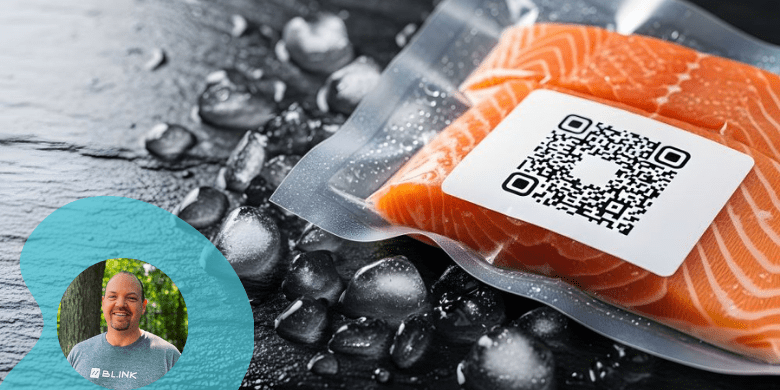
2D barcodes encoded with GS1 Digital Link address these limitations head-on. They can contain or connect to a much richer set of data, such as batch details, origin information, allergen disclosures, certification data, sustainability attributes, authentication records and more.

Recent industry data reinforces why this shift matters: 56% of companies already use QR codes to provide real-time product information to consumers, and traceability and transparency rank among the top priorities for 2026. Retailers feel this pressure directly, as shoppers expect clearer details about what they’re buying, where it came from, how it was made, and how to use or dispose of it.
The upgrade enhances traceability and supply chain visibility, providing more precise insight into product and component origin, how it has moved and what risks may be associated with it. It strengthens operational agility, particularly as labeling requirements and transparency expectations continue to evolve. And it opens the door to new forms of consumer engagement, turning the moment of scan into a channel for education, trust-building and loyalty. Sunrise 2027 is not simply a deadline; it’s the foundation for a more connected and responsive retail ecosystem.
Where 2D Barcodes Create Value Across the Retail Lifecycle
Understanding the impact of this transition requires looking across the product lifecycle, because 2D barcodes deliver value at each step.
The shift begins with packaging and product identification. Today, most labels are static; once printed, they cannot adapt to new information or requirements. 2D barcodes open brands and retailers to the possibilities of dynamic labeling. When paired with a platform such as Loftware’s BL.INK, that code becomes a living link between the physical product and a digital ecosystem that can evolve. This flexibility positions packaging as a strategic asset.
In manufacturing and logistics, additional data embedded or linked through cloud-based labeling supports more accurate receiving, better alignment with enterprise systems and stronger batch-level tracking. This matters as retailers manage greater product variety, shorter shelf lives and more stringent expectations around compliance and recall readiness.
Inside the store, the benefit is equally clear. A single 2D barcode can support multiple use cases: POS scanning, associate operations, inventory checks, quality confirmation or returns processing — all while offering shoppers deeper product insight with a simple scan. It removes friction, consolidates functions and gives retailers a way to connect digital information directly to the physical shelf.
And for consumers, 2D barcodes enable a more informed and confident shopping experience. Whether they are looking for ingredient details, authenticity verification, recycling instructions or post-purchase support, the information they need can be delivered instantly and in their preferred format. Packaging becomes a persistent touch point that enhances trust and deepens the relationship between brands, retailers and the people they serve.
A Practical 3-Phase Roadmap for Retail Readiness
With two years until the deadline, now is the time to lay the groundwork. Retailers that wait too long may find themselves locked into tactical fixes rather than strategic transformation. A phased approach helps organizations move deliberately while building confidence and proving value along the way.
Phase 1: Plan and Pilot
This planning phase establishes clarity and momentum. Before you can transform, you need to align your teams and understand your current state in order to uncover technical and operational gaps before they become costly roadblocks.
- Review your SKU mix across brands, regions, and packaging formats.
- Define who owns packaging, labeling, compliance and digital content.
- Check whether current QR/barcode systems support centralized, updateable content.
- Loop in IT early to assess integration needs with ERP, MES, WMS and DAM.
Engaging suppliers and packaging partners early is essential so that everyone can align on expectations and timelines.
Phase 2: Design for Scale and Flexibility
The second phase focuses on building a foundation for long-term success. This is where retailers shift from isolated pilots to scalable systems that support high-volume, future-ready connected packaging. The goal is to design infrastructure that can evolve without forcing packaging reprints or operational rework.
- Establish centralized management for 2D codes across SKUs, regions and channels.
- Configure routing rules that adapt by location, language, device or campaign needs.
- Integrate labeling and packaging systems with core platforms to streamline data flow.
- Define workflows for updating content, managing compliance and supporting recall readiness.
A flexible foundation ensures the business can adapt quickly as requirements, product data or engagement strategies evolve.
Phase 3: Deploy, Monitor and Optimize
With the foundation in place, it’s time to move into the market with confidence.
- Validate that 2D codes meet GS1 Digital Link specifications and scan consistently.
- Run pilot programs with internal teams and packaging partners to refine workflows.
- Use scan analytics to monitor engagement, performance and system behavior.
- Build dashboards to track content effectiveness, compliance history and operational insights.
As retailers refine their approach, connected packaging becomes part of the broader digital and operational strategy.
Seeing Sunrise 2027 as a Strategic Opportunity
Retailers should view Sunrise 2027 not as a compliance task but as a strategic catalyst. Early adopters will gain smarter shelves, stronger consumer trust through transparency and richer data for forecasting, decision-making and engagement.
The shift also prepares retailers for emerging innovations like Digital Product Passports and circular-economy requirements, both of which rely on item-level digital identities enabled by 2D barcodes and cloud-based labeling.
Sunrise 2027 represents a step-change in how products are identified, moved and experienced. Brands that delay risk non-compliance, higher costs and weakened competitiveness, while those that act now will help shape future standards and expectations.
The next two years are a critical window to modernize labeling infrastructure and turn packaging into a persistent digital touch point. Connected packaging is now table stakes — and those who move early will enter 2027 both compliant and future-ready.
Andy Meadows is VP of Product at Loftware, a global leader in enterprise labeling solutions. He drives Loftware’s strategy for connected packaging, Digital Product Passport (DPP) and digital link engagement, empowering brands to deliver compliant, data-driven and immersive product experiences.