
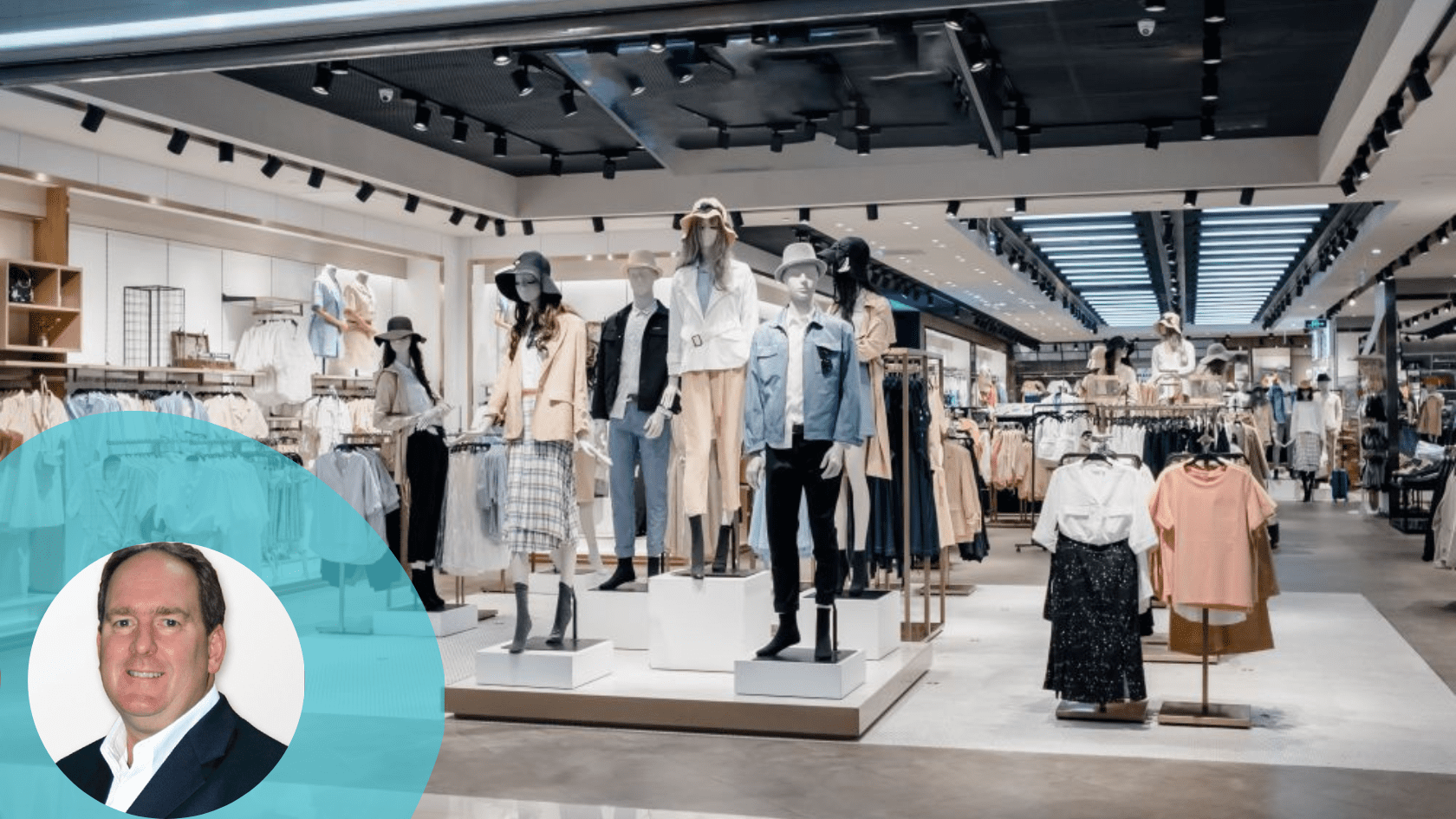
It used to be that in-store retailers planned their store designs and displays primarily around major holidays or seasonal shifts. Like clockwork, athleticwear would appear on shelves in January as customers kicked off their New Year’s resolutions. Sparklers would appear for the Fourth of July, and Christmas everything would erupt the day after Halloween. This hasn’t necessarily changed. But now it’s only half the story.
Today, retailers aren’t just using their stores to sell things, they’re reimagining them as places where shoppers can reconnect with the real world — and while they’re at it, the brands they sell. In this evolution from stores to retail environments, in-store designs are changing more often than they did in the past. Instead of planning around the seasons, shopping holidays and the weather, retailers are accounting for things like pop-culture moments, the need to balance shoppers’ digital lives with intimate in-store experiences and consumers’ growing desire to recognize themselves in their surroundings.
This overall mindset shift is now influencing everything from store backdrops and display types to inventory decisions and the way brands and products are presented throughout the year. What hasn’t changed is that what customers see and feel as they enter and browse a store influences both their experience and propensity to spend.
While retailers across the board are feeling the pressure to evolve their environments, they still don’t always know the direct relationship between the visual and design investments they’re making and the resulting ROI. Here’s a look at some of the emerging trends retailers are adapting to, and how putting their shoppers’ experiences first both directly and indirectly influences ROI.

1. Retailers are optimizing for merchandising over inventory.
According to this year’s 2026 Retail Design Trends Report, many retailers are reconsidering the use of store space. For those with larger footprints, this can mean downsizing to create more intimate environments and/or giving more permanent shop-within-a-shop space to the brands they sell. For retailers across the board, this is resulting in creating more intimate environments by showcasing less inventory and prioritizing smaller, more targeted product selections.
For instance, footwear has traditionally been displayed separately from clothing in stores that sell both. Now, instead of sectioning off products by category, retailers are increasingly curating shopping moments where shoppers can find, say, everything related to tennis — shoes, clothing, rackets, gear — in one place. The surrounding design in that area can further enhance the moment by getting shoppers into a tennis state of mind.
This approach isn’t just neatly packaged. It creates a real-life upsell opportunity that closely mimics what shoppers might experience on online sales channels. Looking for tennis shoes? You might also like these tennis whites. This doesn’t just deepen retailers’ relationship with shoppers; it deepens the relationship between store design and cart size.
2. Create contrast between real-world and digital shopping experiences.
For the past several years, in-store designs have largely mirrored the minimalist and digitally heavy aesthetics of their ecommerce counterparts. However, as online fatigue spreads and shoppers seek out more fulfilling in-person experiences, designing a space that feels separate from the virtual world will be essential.
This turn toward distinct spaces will include bringing natural elements and the “outdoors” inside to mimic environments that appeal to shoppers’ emotions and comfort. These resulting biomorphic designs and nature-inspired elements — including organic contours, shapes and textures, as well as flowing lines and rounded corners — will create welcoming stores that lend themselves to more relaxing shopping experiences for consumers.
Additionally, with less inventory, retailers now have more space for other authentic experiences that they’re leveraging their loyalty programs, website data and online insights to create. Their goal is to form custom layouts that both appeal to shoppers universally and feel custom-made for every shopper who enters.
As a result, in-store designs increasingly feature elements such as graphics that transform when viewed from different angles, mirrored surfaces that reflect the shopper’s image, interactive features like motion-detected lighting and layered substrates.
3. Constant change requires flexible display systems.
Constant reinvention calls for agility and adaptability when it comes to physical structures and designs. Retailers that want to remain relevant in the eyes of their target customers all year long should, as a result, prioritize flexible displays that they can shift as appropriate to easily accommodate fresh ideas.
Shifting displays and changing store designs, however, have traditionally been cost-prohibitive — resulting in multi-purpose, but stagnant, designs that stores could leave up for months on end. However, flexible displays that can shift as needed are not only an exciting alternative but a price-conscious one, in which current resources can be reconfigured without spending a dime on new materials.
As a result, companies can purchase fewer single-use displays and instead focus on installing ones that can be adapted and reused over and over again. By introducing modular system components, which are created to be reconfigured into different shapes and are able to be updated for multiple uses, retailers can now stay fresh and avoid bland, static interiors that turn away consumers and make their shopping trips short and unmemorable.
Additionally, whereas previous attempts at shifting interiors also focused on digital offerings that could be programmed with multiple visuals, retailers are directing nearly all of their attention to physical features. Screens and virtual displays have become expensive, often requiring specialized labor and continual focus to maintain, whereas SEG fabric and frames are simpler to control. Additionally, they also offer added benefits, like easier integration into existing displays, along with no glare, flexibility in size and lighter weight.
Taken together, these moves will allow retailers to create designs that are able to be adjusted continuously — ensuring that they are consistently targeting a range of different age groups and demographics that are drawn to differing designs.
4. Track what’s working continually and ensure you’re always paying attention to the data.
Store loyalty programs, website data and online tools have provided retailers with significant and impactful data to inform the customization of layouts so that they appeal directly to individually targeted sectors of shoppers. This data can help retailers decide when to downsize their store, how much of a unique product to restock in future sales cycles and which themes to integrate. It’s essential for companies to not only pay attention to this data but to utilize it to maximize the impact of their designs all year round.
On a more granular level, pinpointing in-store locations that are the most highly trafficked and the areas with the highest converting product placement can create a roadmap to influence where specific displays go. Alternatively, figuring out which areas are performing lowest can also provide valuable insights into where a more authentic, personalized experience for shoppers can be integrated.
5. Make room for shoppers to inform your decisions organically.
While data is essential, creating an authentic experience that maintains relevancy all year long, no matter the season or major holiday, will also require tuning into small signals from shoppers. A large part of building an experience that feels personal is ensuring shoppers feel like they’re informing choices, and not just data points or pawns in a sterile plan. Instead of resetting your store on the first day of the month, for example, do it on the 15th or the 10th. Let the decisions you’re making feel organic and not locked into a calendar (even if that truly is the case).
Ultimately, creating a retail environment that resonates with shoppers long after they’ve left and encourages them to come in and not just buy online will require a shift away from traditional patterns (like digital screens and sterile, “modern” interiors) and a focus on their comfort and enjoyment.
By focusing on the overall “experience” and adding a personal touch to the designs, however, this will start to feel natural — and the ROI will become clear.
Gerry Price is President and CEO, North America, of The Look Company, creators of large-scale visual branding for big box and chain retailers as well as sports and event environments.. He has 35 years of C-level leadership experience and now coaches other leaders to defy the status quo and exceed the possible. Price has worked around the world, including in North America, Europe, Asia and the Middle East.