
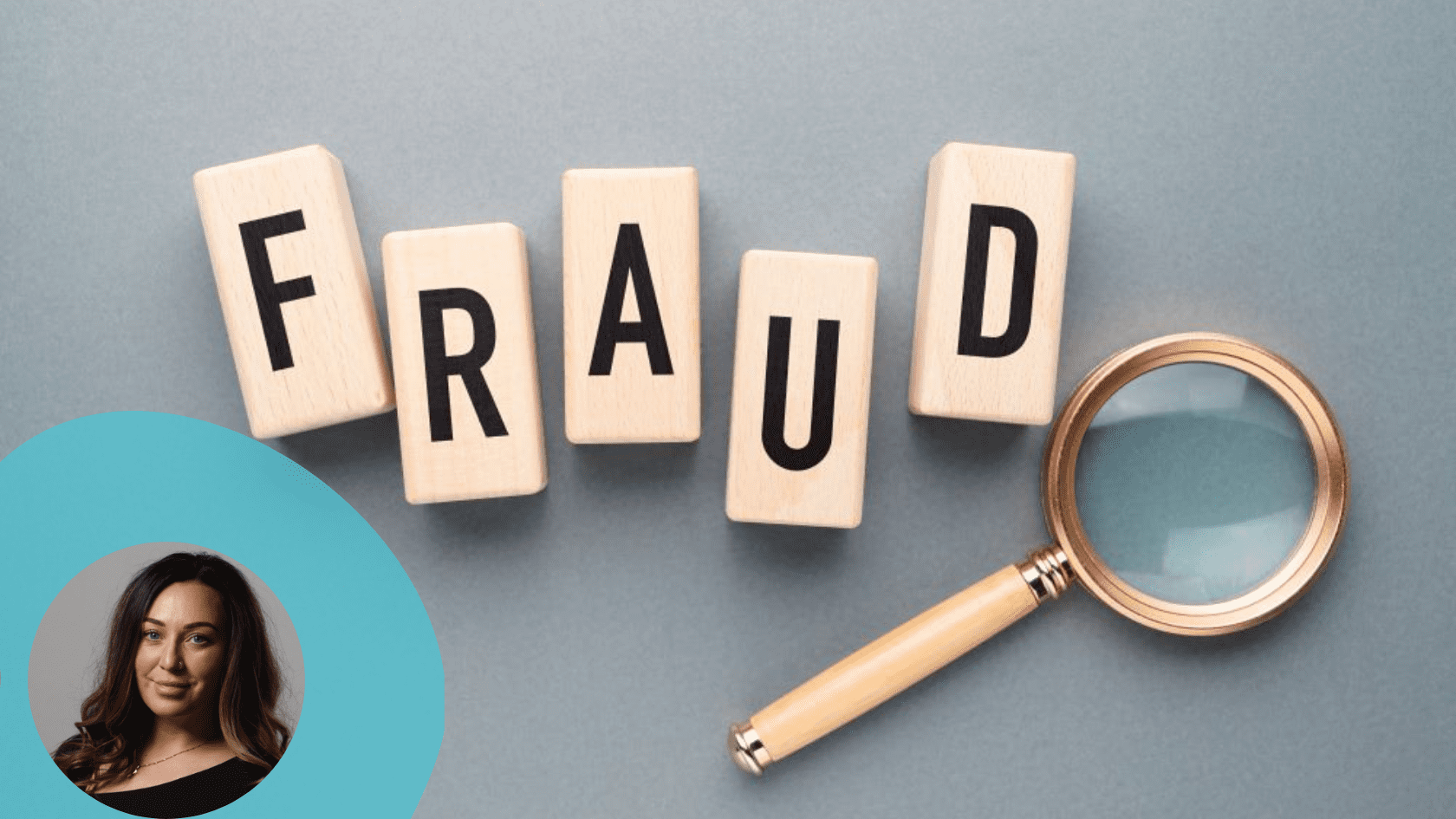
Sales promotions (i.e. cashbacks, rebates, trade-ins and incentive rewards) have long fueled sales growth and differentiation in consumer electronics and appliances. But as promotional activity increases heading into 2026, so does the opportunity for fraud.
Unlike traditional retail scams, sales promotion fraud is a structural manipulation of the system, where individuals and organized groups exploit program rules, identity loopholes and claim-volume vulnerabilities. This fast-growing form of fraud is often invisible to retailers until losses accumulate, and by then, promotions may have already paid out far beyond their intended budget.
Systematic Manipulation
Sales promotion fraud has shifted from occasional misuse to strategic exploitation. Today’s fraudsters aren’t just creating fake materials; they’re bypassing promotional frameworks, with high-value incentives such as TV rebates, appliance trade-ins or accessory bundles being especially attractive targets. The list of tactics they use include:
- Cycling multiple identities, emails, or addresses to exceed claim limits
- Leveraging loopholes in qualification rules for cashbacks or rebates
- Submitting high volumes of claims during short promotional windows
- Coordinating “promotion sweeps” across multiple retailers and brands
- Taking advantage of inconsistent terms across programs
Short-term promotions generate huge bursts of activity, which makes it easier for fraud to “blend in.” In other words, promotions built for customer convenience can unintentionally create ideal conditions for exploitation.
When thousands of claims arrive within hours, a number of problems arise. Identity-matching becomes challenging; duplicate or excessive claims are harder to catch; systems without real-time monitoring can be overwhelmed; and fraudsters exploit delays in manual verification. Most vendors handle claims processing and support but not fraud defense. Few invest in the specialized risk infrastructure needed to detect identity manipulation, high-volume submission patterns or cross-promotion behavior.
The New Era: AI-Driven Promotion Fraud
While traditional sales promotion fraud is already costly, 2026 brings a more sophisticated threat: AI-powered fraud at scale. Automated tools, off-the-shelf AI models and bot networks are giving fraudsters the means to attack promotions faster, more efficiently and with far greater anonymity. This new generation of fraud introduces unprecedented risks:
- Bots that submit thousands of claims instantly: Fraudsters are now using automated bots to auto-fill claim forms with rotating identities in order to submit thousands of entries per minute while mimicking human typing and interaction patterns to evade basic bot detection. Legacy claims platforms (especially those built for customer convenience) are not equipped to handle automated high-volume attacks.
- AI that generates synthetic identities: Generative AI can instantly produce fake names; valid-looking email structures; realistic addresses pulled from public scraping tools; and AI-generated receipts or invoices. The level of sophistication makes manual reviewer detection virtually impossible without advanced analytics.
- AI that detects weaknesses in promotion terms: Fraudsters are beginning to use AI to “read” promotion terms and identify claim limit gaps; eligibility loopholes; inconsistent rule enforcement; and timing windows where monitoring is weakest. These insights allow organized groups to design coordinated attacks tailored to each promotion.
- Deepfake documentation: As document forgery becomes AI-assisted, receipts, serial numbers, proof-of-purchase photos, even warranty cards can be fabricated in seconds, often indistinguishable from genuine submissions.
For high-value promotions like premium TV cashbacks or appliance rebates, the rise in document-based deepfakes will dramatically increase exposure.
AI Fraud Outruns Defenses
The speed and scale enabled by AI create a widening gap between fraudsters and retailers. The primary factor is that AI lowers the barrier to entry; fraud no longer requires technical skill. Additionally, attacks happen at machine speed, overwhelming verification systems. Plus, bots operate around the clock, exploiting every minute of downtime. And synthetic identities do not fatigue, reducing detection based on behavior.
Without real-time identity intelligence and advanced risk scoring, retailers may see fraud levels spike rapidly – many times without immediate visibility into the root cause. However, fraud prevention doesn’t have to add unnecessary friction. By using a layered approach, retailers can ensure that most customers experience a smooth, fast claim journey; only high-risk submissions undergo deeper review; and fraud is addressed quietly, without impacting brand experience.
As promotions become richer and more competitive, fraudsters are becoming more sophisticated in exploiting them. Retailers and manufacturers must strengthen their promotion controls, partner with vendors equipped for fraud oversight and adopt proactive rather than reactive strategies. Building resilience in the face of AI-driven fraud (or fraud in general, for that matter) requires a shift in mindset (and investment) in areas such as:
- Real-time identity intelligence: Automated risk scoring, device fingerprinting, geolocation logic and behavioral analysis must be foundational capabilities, not optional add-ons.
- AI that fights AI: Retailers increasingly need machine learning tools capable of spotting synthetic identities; detecting bot-generated patterns; and identifying clusters of suspicious claims across multiple promotions.
- Consistent terms and controls across all promotions: Fraudsters love inconsistency and will exploit it relentlessly. Alignment across regions, retailers and product categories reduces the number of attack surfaces.
- Partners that specialize in fraud prevention: Most promotion vendors simply process claims, they don’t protect them. A partner with deep forensic capability, cross-brand monitoring and AI-enhanced risk frameworks is becoming essential.
As we enter 2026, retailers must assume that fraud will continue increasing in both sophistication and volume. The winners will be those who treat fraud prevention not as an afterthought but as a strategic requirement of running impactful promotions. Sales promotions remain a powerful lever, but only when the integrity of the program is protected right from the start.
Sara Lomax is the Head of Fraud and Operational Risk at Opia, a leading global sales promotions agency. With more than a decade of experience safeguarding incentive programs for major consumer electronics and appliance brands, she oversees Opia’s dedicated fraud division — one of the only teams of its kind in the promotions industry. Under her leadership, Opia has maintained a fraud rate below 1% for five consecutive years, blocked more than one million invalid submissions and saved clients millions through advanced risk detection, behavioral analysis and multilayered fraud prevention strategies.