
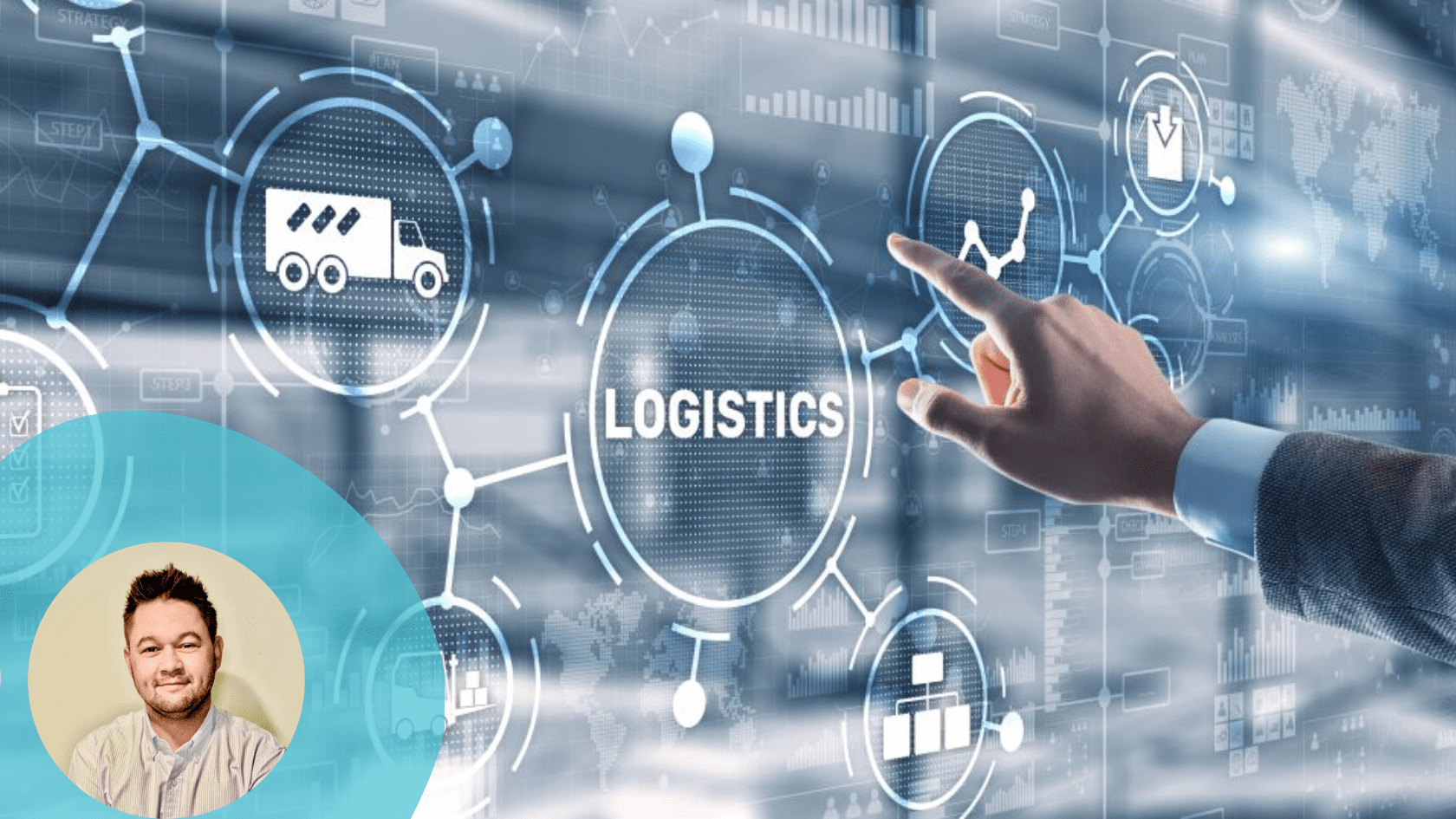
For emerging retail brands, logistics is often seen merely as a cost center, a function to be negotiated down, outsourced quickly or lightly automated just to keep orders moving. But as margins tighten, customer expectations rise and omnichannel complexity accelerates, the brands that succeed treat logistics not as a back-office expense but as a strategic growth lever.
Today, the biggest differentiator for new brands isn’t just what they sell. It’s how well they design the network that moves their products from manufacturing to the customer. Thoughtful logistics design doesn’t just reduce transportation spend; it improves inventory agility, strengthens customer loyalty, accelerates growth into new channels, increases sell-through rates and gives rising operators a clear path to influence inside their organizations.
McKinsey’s recent consumer research shows that omnichannel shopping has surged, with nearly 75% of buyers switching channels during a single transaction. But expectations have risen just as fast: two-thirds demand consistency across platforms, and over half have abandoned purchases when brands fail to deliver it.
Legacy networks weren’t built for this era. They were built for predictability, and modern retail looks nothing like that. New brands need something different: networks that adapt, learn, optimize and unify, not just move freight.
Why Logistics Network Design is a Growth Strategy (Not a Cost Line Item)
Most brands start with the same default playbook: book LTL or parcel shipments, trust the routing guide and track orders across a handful of carrier portals. It works, until it doesn’t. The reality is that network decisions made early often define unit economics, customer satisfaction and scalability for years to come.
A well-designed logistics network can unlock three critical advantages:
1. Lower operating costs through smarter freight flows.
Sub-optimized networks are expensive networks. According to ATRI, empty miles represented 16.7% of all truck miles in the U.S. in 2024, That’s nearly $30 billion in wasted cost. When networks operate in silos, trucks leave half full, replenishment moves too slowly and brands overpay for modes that weren’t designed for their freight profile.
Modern network design flips that dynamic. AI-driven consolidation, cross-dock orchestration and dynamic routing ensure that freight moves on the most efficient combination of modes (FTL, LTL, parcel, cargo van or box truck), based on real-time demand, inventory position and destination density. The goal isn’t simply to lower per-mile rates; it’s to eliminate waste altogether.
2. Higher Customer Lifetime Value through better speed and fewer handoffs.
Customers rarely remember the freight bill, but they always remember a late delivery.
Legacy middle-mile networks were designed for a hub-and-spoke world. A single box might move through seven terminals before reaching a store or fulfillment center. Every touch introduces risk: damage, dwell time, misroutes. or delivery delays. Industry data shows that drivers are detained at nearly 39% of stops, slowing down the entire network.
Modern freight orchestration takes the opposite approach: fewer touches, more predictability. By clustering B2B and D2C freight into shared routes, dynamically consolidating loads and bypassing unnecessary terminals, brands achieve Amazon-like reliability without needing Amazon-scale volume. Delivery predictability and the trust it creates are directly correlated with higher LTV, higher repeat purchase frequency and stronger retail partner relationships.
3. Career acceleration for operators who see logistics as strategy.
In most organizations, logistics leaders rise fastest when they can tie operations to revenue.
A transportation manager who simply “moves freight” has limited influence. A transportation leader who designs a smarter network, reduces unit costs, strengthens delivery performance and enables expansion into new channels? That’s someone who moves from the back office into the strategic core of the business.
Modern freight orchestration tools now give these leaders the data, visibility and credibility to shift the perception of logistics from a reactive cost center to a proactive engine for growth.
Design Principles for a Modern Logistics Network
Whether you ship 500 pallets a month or 50,000, modern brands benefit from building networks around four core principles:
Real-time orchestration over static routing: Instead of planning freight once per week or once per quarter, leading networks analyze demand signals continuously. AI models forecast lane utilization, consolidate compatible freight and reroute in minutes, not days. This minimizes empty miles, lowers the cost per unit and keeps freight moving even when disruptions occur.
Transparent, predictable pricing: The era of being surprised by invoices should be over. Modern pricing models use live network data, not class codes or siloed tariffs, to deliver a single, predictable rate per shipment, with no hidden fees or corrections. This gives finance leaders reliable forecasting and transportation teams cleaner execution.
Fewer touch points through intelligent zone skipping: Zone skipping is not new, but intelligent, AI-driven zone skipping is. Next-generation providers now consolidate B2B and D2C orders into shared cross-dock flows, bypassing traditional sort centers entirely. This reduces damage, delivery exceptions, dwell time and cost per unit. For omnichannel brands, this becomes a competitive advantage, not just a reduction in transportation costs.
Unified visibility and end-to-end digital workflow: Modern logistics networks run on unified visibility, not siloed portals or manual handoffs. Brands need a single source of truth that connects every mode (FTL, LTL, parcel, cargo van, box truck, cross-dock) and every step of the shipment lifecycle into one continuous digital workflow. When quoting, booking, tracking, delivery, invoicing and analytics all flow through one system, teams eliminate spreadsheets, re-keyed data and reactive check-ins.
This unified view not only removes blind spots but also unlocks smarter decision-making. Operators can run real “what-if” scenarios across modes (fastest, cheapest or fewest touches) before they ever move a shipment. The result is higher accuracy, fewer errors, proactive exception management and more time spent on strategy rather than fire drills.
The Future Belongs to Orchestrated Networks
For new and emerging brands, logistics isn’t just a back-end function; it’s the quiet engine that powers revenue, customer loyalty, and long-term growth. Faster replenishment, more reliable delivery, predictable transportation costs and unified visibility all compound into stronger unit economics and healthier customer relationships. When operators shift from “moving freight” to designing networks that learn, adapt and intelligently orchestrate across modes, they unlock cross-functional alignment and elevate their strategic influence within the organization.
The legacy playbook can’t support the speed, flexibility and precision modern retail demands. The future belongs to orchestrated networks that treat freight as data, not just cost; as strategy, not just execution. For brands willing to rethink the middle mile, logistics becomes a long-lasting competitive advantage.
Daniel Sokolovsky is a Los Angeles-based entrepreneur and Co-founder and CEO of Warp, an innovative enterprise freight transportation service powered by advanced technology. As CEO, he is responsible for managing the company’s operations, guiding the Warp brand, and overseeing the company’s overall strategy. Prior to founding Warp, Sokolovsky built Amazon’s last-mile service for every shipper not named Amazon as the founder of Jitsu, an expedited urban, last-mile delivery provider. During his six years at Jitsu, he pushed the company into new verticals and sustainability partnerships while aiming to quintuple revenue.