

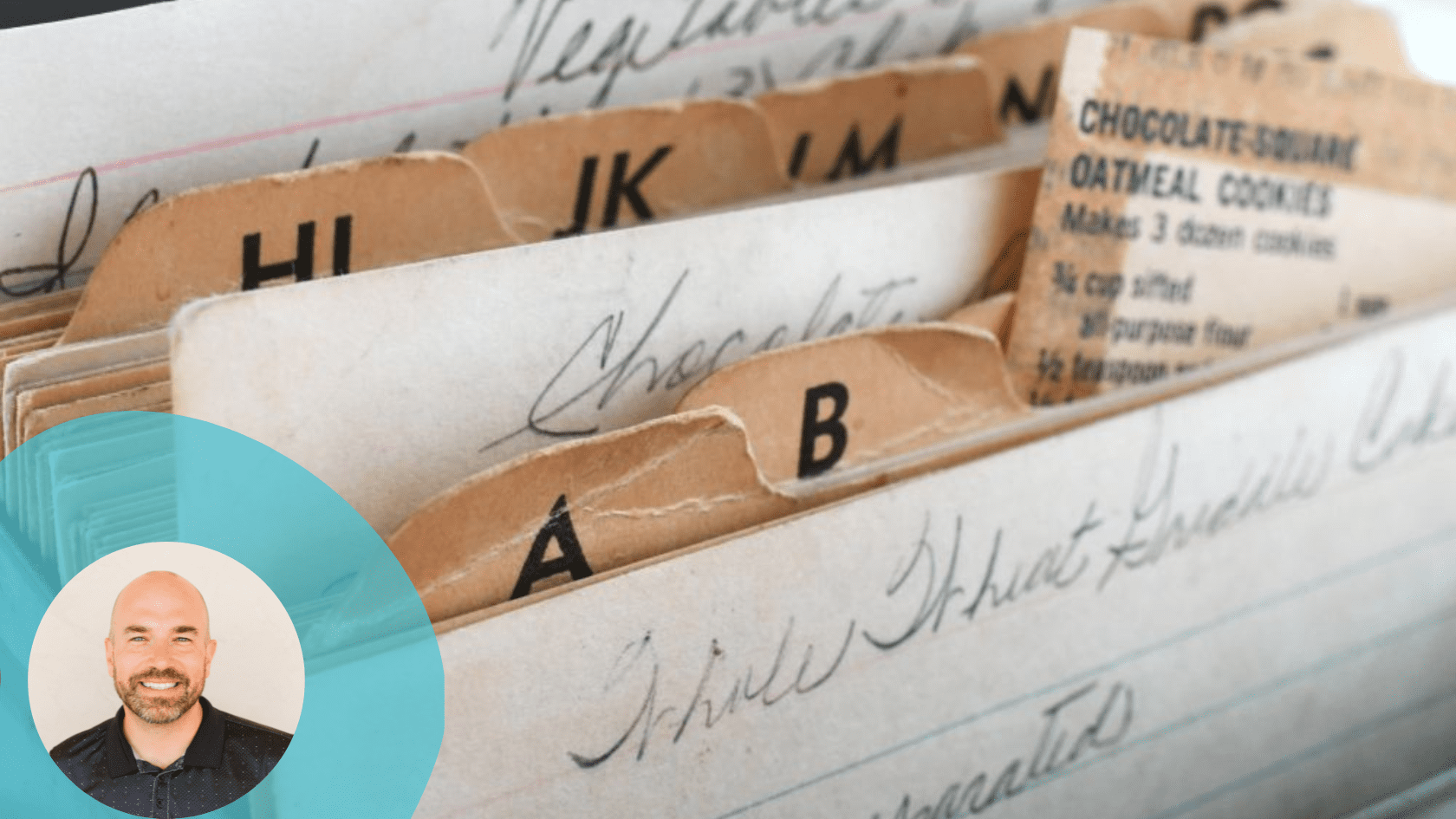
Cookbooks are piling up in thrift stores, and recipe cards are gathering dust on closet shelves. What were once kitchen staples are becoming a thing of the past, with Pinterest boards and AI-generated recipes replacing well-loved cookbooks. Most members of the younger generations are no longer painstakingly writing out their recipes to pass down; instead, they’re turning to TikTok hashtags like #recipes or #dinnerideas when planning their meals.
In a digital-focused world, is the traditional recipe model dying? And if so, why?
Traditional recipes used to be the standard: a classic, unchangeable recipe, passed down by parent to child, memorized off the back of a can or box, or referenced from a trusted cookbook. A one-size-fits-all, no-substitutions blueprint.
But today’s shoppers don’t want one recipe for everyone; they want dynamic, personalized recipes that fit the needs of their household. In today’s day and age, consumers want recipes that are flexible and easy to adapt based on dietary restrictions, lifestyle choices and more.

And it’s not just recipes; these days, shoppers want food options that are completely tailored to them, whether that’s gluten-free, dairy-free, plant-based, picky-eater approved or whatever else they’re looking for. Shoppers are seeking fewer recipes with rigid instructions and more adaptable frameworks that they can build around their needs. This sentiment is easy to see in the rise of comments on TikToks and recipe blogs asking, “Can I substitute xyz?” (also known as the “what about me” effect).
It’s not a question — the use of traditional recipes is declining. But is there something lost when these kinds of recipes are no longer passed down? Traditional, handwritten recipes have a cultural and nostalgic weight. There’s something undeniably special about cooking a recipe, knowing you’re participating in a familial tradition that has spanned years. The concept of passing recipes down through generations is important for a sense of societal and communal togetherness, allowing people to connect through a shared history of food.
That being said, not all traditional recipes are dying. Some recipes are clinging to their staying power, even in a digital-first age. Think of Libby’s pumpkin pie recipe, which, come Thanksgiving, is still hailed by many home-bakers as the only pumpkin pie recipe they’ll touch. All you have to do to see this in action is scroll down any blog sharing the recipe, where you’ll inevitably find comments like “I’ve been making the Libby’s Pumpkin pie for over 40 years. It’s THE one.” Think also of the Nestle Tollhouse Chocolate Chip Cookie recipe, which I personally have memorized and is still considered by many to be the best out there.
What is it about these specific recipes or brands that gives them staying power in a world where so many others are falling victim to private label replacements? Perhaps it’s the power of nostalgia, that magic of the past that we’re always chasing. Or maybe these recipes are simply so good that people can’t help but come back to them. Maybe the brand just got it right the first time around and created a consistent, tasty recipe that people couldn’t help but come back to.
So there are some shoppers still devoted to those classic back-of-the-box recipes, still hand writing out those recipe cards to keep for the future. And some shoppers are asking ChatGPT for recipes, or seeking some variation of their favorite dish that accommodates a dairy-free lifestyle. Maybe the question isn’t “Are traditional recipes dead,” but rather “How should brands adapt in a world of personalization and AI generation?”
In that case, it seems like it’s a matter of pairing personalization with nostalgia. Maybe personalization is what gets a shopper in the door, but if brands can strike the right balance of nostalgia, they might find the staying power they seek.
Recipes like Libby’s Pumpkin Pie and Nestle’s Tollhouse Chocolate Chip Cookies also remind us of the power of packaging. Brand loyalists keep clippings of the original packaging, saved to reference the recipes. Maybe some of what allowed those recipes to become so popular amongst households was that they kept showing up. Every time a shopper brought home a bag of chocolate chips, there was that cookie recipe, just begging to be used.
Maybe the recipe card is going out of style, but that doesn’t mean recipes won’t be saved and shared in new ways. The future of recipes might just be a little more adaptable. Digital platforms, AI and Pinterest can create recipes that evolve with households but still use familiar flavors. And maybe marketers should consider how product packaging can be reimagined for today’s shoppers to introduce recipe content in a new way. If brands find a way to appeal to tradition while adding personalization, they might also find a way to stay relevant amidst the rise of new technologies and a sea of emerging recipes.
It’s hard not to wonder: is it even possible to create a recipe in this day and age that achieves that same kind of immortal recipe status that brands like Libby’s and Nestle accomplished? I don’t know the answer, and that question will only persist with the rise of new AI generation and personalization tools. But I like to think that maybe there’s a world in which AI doesn’t kill tradition, and instead becomes the tool that helps us all build new ones.
Brad Godwin is the EVP of Sales and Partnerships at Breaktime Media. With over 17 years of industry experience, he’s honed his craft in marketing and sales, developing a passion for creating brand stories and fostering lasting connections with people. When he’s not driving impactful partnerships, he’s a dedicated #girldad, live music enthusiast, globetrotter, culinary explorer and avid college basketball fan.