

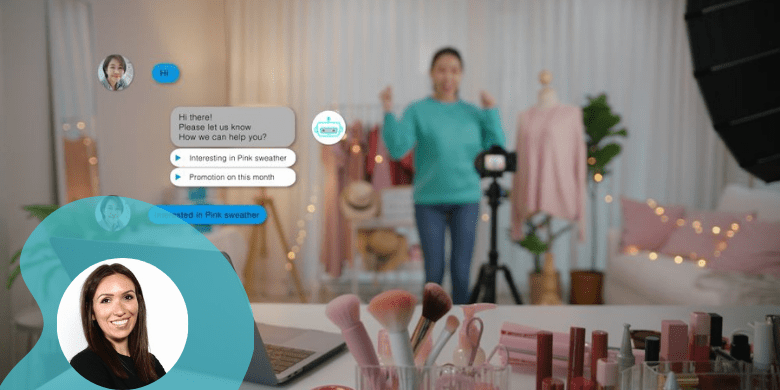
Shoppable video has helped evolve the digital video landscape from passive viewing into active buying. From QR codes on connected TV ads to interactive overlays that let consumers add products to their cart without leaving the screen, the concept is simple: make video content instantly transactional.
IAB’s 2025 Digital Video Ad Spend & Strategy report shows that failure to deliver business outcomes is the #1 reason buyers cut spend on streaming partners – making it crucial for video platforms to serve a role throughout the funnel and ease shopping for consumers.
But while the shoppable video buzz is undeniable, the reality is more complicated. Adoption is growing, yet shoppability remains fuzzy, measurement is inconsistent and marketers are still debating which budgets should fund these experiences. This leaves the industry with challenges that fall into three primary areas:
- Standardization
- Evolving consumer behavior
- Intensifying fragmentation
Defining ‘Shoppable Video’
At its core, shoppable video is any video ad that enables a consumer to take a purchase-related action, whether locating a store or adding an item to their cart. These actions typically occur through interactive elements, such as overlays that are seamlessly integrated into the video environment.

Consumers are Already Shopping from Video, and Standardization can Help Accelerate That
Shoppers aren’t ignoring video ads. According to Innovid’s 2025 CTV Advertising Insights Report, interactive CTV formats like product overlays or QR codes delivered an average of 71 seconds more engagement, and QR code usage tripled YoY. In fact, one in three CTV buyers cited the “ability to activate innovative/immersive ads (e.g. interactive, shoppable)” as a top expectation when activating CTV programmatically (IAB).
And speaking of ad formats…IAB Tech Lab’s Ad Format Hero initiative aims to standardize these units across platforms, allowing creative to be built once and delivered consistently. It also ensures that ads can track interaction signals, reducing friction in planning and measurement. Two formats in particular make the journey from viewing to shopping more tangible:
- Overlay ads layer over content, enabling QR scans or remote clicks to check out, perfect for mobile conversion.
- Pause ads appear when content stalls, offering users time to engage with product details before resuming playback or making a purchase.
AI’s Impact isn’t Just on Creative, but also the Evolving Shopping Journey
AI is reshaping how people shop, not just how we make ads. In IAB’s study on how AI guides the shopping journey, AI ranked as the second-most influential source behind search (among people who use AI for shopping), surpassing retailer apps and even friend/family recommendations.
AI excels at research and comparison, with 75% of AI shoppers saying it helps them make decisions faster and feel more confident in their purchases. As AI usage grows, more viewers are likely to enter an AI-assisted shopping journey on a second screen while they watch. This is where shoppable video can help viewers move from consideration to cart without friction.
From Friction to Fragmentation – the Fractured Fusion of CTV and Retail Media Networks
According to Nielsen, U.S. viewers access content through 89 streaming platforms and more than 32,000 linear channels, creating significant challenges for deduplication and frequency management. At the same time, Digiday reports that over 200 retail media networks operate in the U.S., making multi-retailer planning especially complex for brands.
CTV is a fragmented ecosystem. RMN is a fragmented ecosystem. Optimizing across the two ecosystems can be challenging, to say the least.
This fragmentation is also being reshaped by acquisitions and partnerships. RMNs are acquiring video platforms to bring commerce capabilities directly into the living room, while streaming services are partnering with retailers to leverage first-party data for more precise targeting.
These moves signal a future where shoppable video is not just an ad format but a core part of the retail media ecosystem, integrated into content experiences and powered by rich data. This means shoppable video will increasingly sit at the center of joint strategies between media owners and retailers, offering robust targeting and closed loop measurement opportunities.
Similarly, shoppable video lives at the intersection of brand building and conversion, meaning ownership can vary by organization, with CTV and RMNs drawing from both brand and shopper/trade budgets. This leads to the question of, “who owns what?” If shoppable video makes a historically upper-funnel channel more lower-funnel, does the brand team activate it, or the commerce team? This confusion can lead to duplicated efforts, resulting in wasted time and spend.
IAB will be tackling these tough topics in the coming year, releasing a best practice playbook around activating video with a commerce lens.
Why the Future of Video is Outcome-Driven
Shoppable video is no longer a novelty and is becoming a strategic pillar in the media and commerce ecosystem. Consumers are signaling clear interest, with engagement and purchase behaviors rising and platforms racing to integrate commerce into the viewing experience.
Yet the path to scale is complex. Fragmentation across CTV and retail media networks, evolving consumer expectations and the rise of AI-assisted shopping journeys demand new thinking. As RMNs acquire video platforms and streaming services partner with retailers, shoppable video is poised to become a cornerstone of omnichannel commerce, blurring the line between content and checkout.
For publishers, this means creating inventory that supports interactive formats and outcome-based measurement. For retailers, it means leveraging first-party data and video partnerships to deliver closed-loop performance at scale. For brands and agencies, the opportunity is clear: prepare for a future where video doesn’t just tell stories, but also drives sales.
Jamie Finstein, VP, Media Center, IAB, joins the organization with 15+ years of experience focused on digital strategy and investment, most recently at GroupM/WPP. During her time in the media agency world, Finstein worked with brands across a variety of industries including luxury, CPG, retail and beauty to accelerate their digital media approaches, incorporating innovative tactics to help their businesses grow.