
Key takeaways:
- Boot Barn treats festivals as the start of a customer relationship, not the end of a sale, aiming for a memorable experience over on-the-spot conversions.
- Boot Barn has sponsored Under the Big Sky since its inception, now in its fourth consecutive year in 2026, measuring success by returning festivalgoers and repeat talent partners rather than attendance.
- Festival activations build depth with western culture fans, while radio and TV keep the brand top of mind year-round, working in tandem rather than competing.
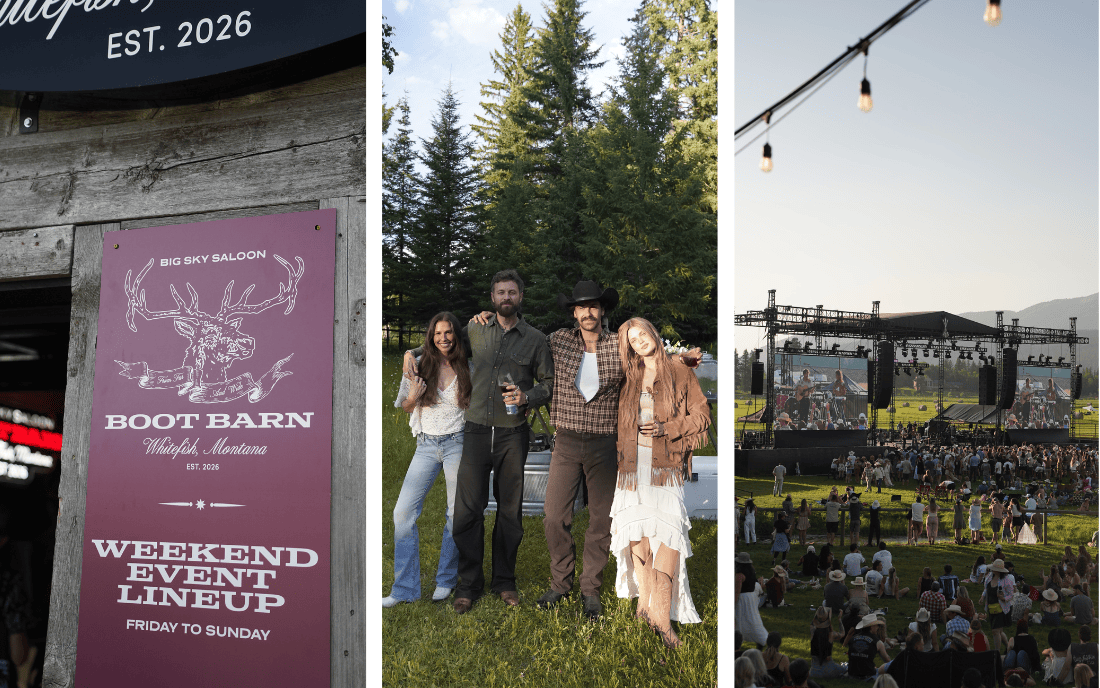
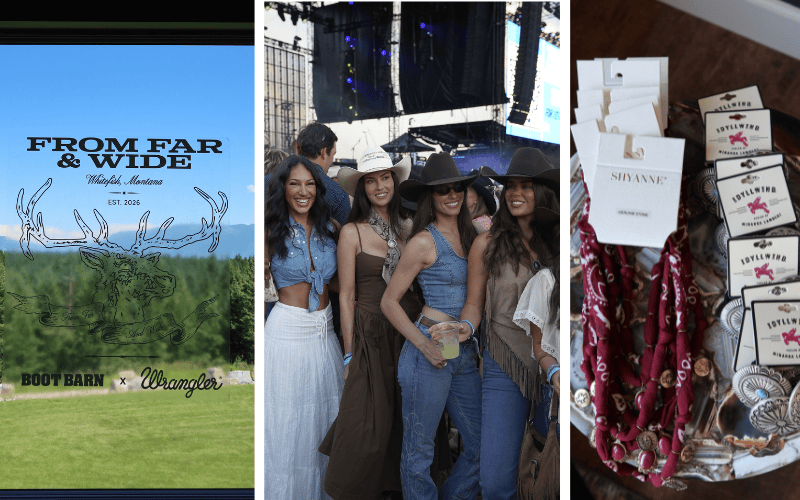
At Boot Barn’s Big Sky Saloon, the western retailer’s flagship brand activation at the Under the Big Sky music festival in Whitefish, Montana this summer, the company created a nostalgic dive bar within a working ranch.
“Open to all festivalgoers, the experience featured complimentary cowboy hat customization, chainstitch embroidery and giveaways,” said Stephen Loscko, Boot Barn’s VP of Marketing and Media, in an interview with Retail TouchPoints. “This was our way of adding a personal touch to the festival experience and showing our appreciation for the western and country community that has supported us for so many years.”
Combined with influencer partnerships, onsite activations at country music festivals have become a core part of Boot Barn’s marketing and community-building initiatives. Loscko explained the thinking behind the company’s growing experiential footprint, from its role as a presenting sponsor at Stagecoach to its fourth consecutive year supporting Under the Big Sky.

Festivals Do Something That Stores and Paid Media Can’t
At more than 500 stores, Boot Barn’s retail footprint is extensive, and its media spend is meaningful. So why pour resources into a weekend in Whitefish?
“Personal connection is a cornerstone of our brand identity, and we’re constantly seeking fresh, innovative ways to connect with our new and existing customers,” Loscko said. “Country music festivals are key events for us because they offer opportunities to connect in person with our customers beyond our stores.”
The logic is that a store visit is transactional by nature, but a festival activation, done well, becomes a memory. Boot Barn’s Big Sky Saloon aimed to be a hospitality experience rather than a pop-up shop, with a welcoming gathering at the owner’s barn at Big Mountain Ranch.
“We also teamed up with Wrangler and other brand partners to host a guest house for Under the Big Sky content creators, complete with custom western gifting,” Loscko said.
Community-Building Is About Commitment, Not Campaigns
Building community is about long-term commitment, Loscko said.
“Our view is that community building goes hand in hand with commitment and longevity,” he said about Under the Big Sky. “We’ve been an ongoing sponsor since the festival’s inception, and this year marked Boot Barn’s fourth year supporting the event. Thanks to our continued presence, we’ve become more than a typical sponsor.”
He doesn’t measure success through attendance, but rather through return behavior: festivalgoers who come back to the activation year after year, talent partners who are eager to collaborate again and positive feedback from creators and partners who experienced the hospitality firsthand. Those are the indicators that something real was built.
The Funnel Framing Misses the Point
Most brands approach festival marketing with a conversion mindset: capture emails, push an offer, close a sale. Boot Barn is deliberately doing something different.
“We see the festival as the beginning of the customer relationship rather than the end of the sales process,” Loscko explained. “Rather than selling products with the goal of converting customers on the spot, we focus on creating a meaningful and memorable experience.”
That doesn’t mean Boot Barn ignores performance metrics entirely. The team tracks a range of results across its activations. But Loscko said no single number tells the full story. The goal is brand awareness and lasting loyalty, and those don’t always show up in a dashboard the week after the event ends.
Photos: Boot Barn.
Experiential and Traditional Advertising Aren’t Competing for the Same Job
Boot Barn’s experiential and traditional marketing plays work in tandem.
“Those experiences leave a more lasting impression than a passing digital ad or billboard,” he said of festival activations. “Whether someone hears one of our radio spots during their early morning drive or sees one of our TV commercials while relaxing after a long day at work, those creatives honor the everyday western lifestyle our customers live and keep us top of mind throughout the year.”
Experiential marketing creates depth of connection with people who are already in the culture, or who are encountering it for the first time. Traditional media maintains broad awareness across Boot Barn’s core customer base year-round.
Authenticity Can’t Be Manufactured, but It Can Be Earned
Western culture is having a mainstream moment. That creates opportunity, but it also creates risk. Brands that show up to capitalize on a trend without any genuine roots tend to get spotted quickly.
Boot Barn’s answer to that risk is straightforward: it has been in this space since 1978.
“For Boot Barn, western has never been a trend,” Loscko said. “We started as one store in 1978 and have grown to become the largest western and work wear retailer in the nation by upholding strong western values.”
The company’s festival strategy reinforces that positioning by centering real stories from the western community, working cowboys, ranchers and farmers, rather than leaning on aesthetics alone. Creator programming, partner collaborations and on-site hospitality are all designed to extend that authenticity, not dilute it.
How Is Boot Barn Performing Overall?
Boot Barn’s summer festival strategy was impacted by other events such as the World Cup.
Boot Barn posted net sales of $593.5 million in the first quarter of fiscal year 2027, a 17.7% increase year over year that topped analyst estimates. Comparable sales grew 4.7%, with ecommerce up 13.4%.
July, however, introduced some friction. Comparable sales slowed sharply, with retail store comps turning negative at -1.2%. CEO John Hazen attributed part of the softness to fewer western lifestyle stadium events and concerts during the month, along with World Cup traffic pulling customers away during televised matches. The company also cycled tough comparisons in women’s western boots, a category that saw mid-single-digit declines.
Work boots, by contrast, delivered high single-digit comparable growth for the fifth consecutive quarter. Hazen credited deliberate merchandising and marketing investments in third-party brands, not any single macroeconomic tailwind, for that performance.
Boot Barn ended the quarter with 566 locations, having opened 27 new stores during the period. The company targets 70 openings for the full fiscal year and holds a long-term goal of 1,200 U.S. locations. It raised full-year fiscal 2027 guidance to total sales of $2.58 billion to $2.625 billion, representing 14% to 16% growth over the prior year.