
Key Takeaways:
-
American Eagle built an expansive back-to-school push this year, spanning low-rise denim, a new Lamine Yamal partnership, a Mall Diaries content series and in-store creator programming.
- Journeys is betting a whole cast of Gen Z talent can reach a teen audience that refuses to be defined by a single trend.
- NRF, Deloitte and PwC back-to-school surveys point the same direction: teens have more say over the cart than ever.
Low-rise denim is back, retailers are bringing social media creators into the store and a school hallway gets turned upside down by an ensemble cast of skateboarders, actresses and musicians.
American Eagle, Journeys and Tillys built three very different back-to-school campaigns this year, and Retail TouchPoints talked with the retail marketing chiefs from each company about their strategies for the key back-to-school season and their ever-changing teenage customers.

“Consumers don’t experience brands through one channel anymore.” Craig Brommers, American Eagle CMO

American Eagle Chief Marketing Officer Craig Brommers. Photo courtesy of American Eagle.
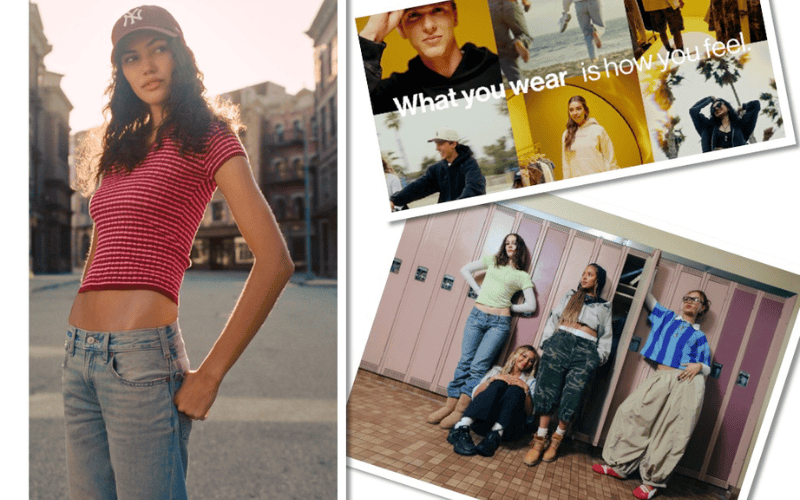
American Eagle, which operates approximately 800 American Eagle-brand stores in North America, is running an expansive back-to-school effort this year, including highlighting the return of low-rise denim, a new global soccer partnership, an owned mall nostalgia series and creators shooting content from inside its stores.
Brommers described it as a deliberate move away from building the season around one cultural moment.
“We start with denim, but then layer in creator programming, mall activations, campus experiences, sports and new product moments throughout the season,” he said. “It requires more coordination, but it also reflects how Gen Z actually engages with brands today.”
American Eagle’s BTS Lineup
- Low-rise denim’s return, supported by talent partners Sydney Sweeney and Ella Langley.
- A newly inked five-year ambassadorship with World Cup-winning soccer star Lamine Yamal.
- Mall Diaries, an owned content series built on 2000s mall nostalgia.
- An in-store Jeans for Life contest.
- Sorority-focused RushTok activations at schools including the University of Florida, Alabama, Arizona State and other campuses.
Denim Still Leads
Brommers pointed to low-rise as one of the season’s defining denim trends and said American Eagle wanted to lead that conversation rather than follow it, activating it across talent partnerships, limited in-store drops and creator content rather than a single push.
Bringing Creators to Stores
Rather than seed creators with product and wait, American Eagle is bringing them into stores to shop, style and film in real time.
“The store becomes part of the story,” Brommers said.
That aligns with the continued importance of physical retail stores despite all the talk about online shopping. According to PwC’s recent back-to-school survey, 70% of parents planned to shop in stores this year, down from 79% one year ago.
Nostalgic for Mall Life
American Eagle’s Mall Diaries leans into a specific bet: that Gen Z is nostalgic for an era of mall culture most of them never actually experienced.
“Gen Z is nostalgic for a feeling,” Brommers said. “Before social media, the mall was where trends spread, friendships formed and communities came together. Today, they’re looking for that same sense of connection in a very different world.”
The series mixes static and video content shot in and around the mall, including videos styled as “POV: You’re shopping the mall in 2006.”
Brommers said the broader, multi-tiered campaign is also a response to how much the shopping calendar itself has changed.
“It used to feel like everyone shopped within the same two-week window,” he said. “Today, it’s much more of a process.”
That lines up with NRF’s data this year: 62% of shoppers had already started buying by early July, and nearly half said they plan to purchase only essentials up front and replenish later in the season.
What American Eagle Learned from the Sydney Sweeney Controversy
This season comes a year after a campaign starring Sydney Sweeney, with the tagline “Sydney Sweeney Has Great Jeans,” drew significant online criticism, including accusations of sexism and racially charged subtext.
While the controversy swirled last year, American Eagle didn’t pull a single ad. American Eagle CEO Jay Schottenstein, who is Orthodox Jewish, told the Wall Street Journal that his mother-in-law lived through Nazi Germany and witnessed the destruction of Jewish communities, which he said made him “very conscious” of the eugenics accusations aimed at the campaign, adding that the company “never would’ve done it” if there had been any risk of that reading.
He told staff to hold steady and commissioned outside polling rather than react to the noise. American Eagle also told the Journal that sales growth turned positive that August and that the campaign helped bring in nearly a million new customers between July and September.
Retail TouchPoints asked Brommers what American Eagle learned from the campaign, and the social media reaction to it, last year.
“Our biggest learning comes from our customers,” he said. “Through the last year and everything that resulted from our last campaign, we learned that in these moments it is important to listen to our customers and the data, and not the noise of social media.”
“Today’s teen audience isn’t one-dimensional, so our campaign shouldn’t be either.” Stacy Doren, Journeys Group CMO

Journeys Group CMO Stacy Doren. Photo courtesy of Journeys.
Journeys’ “Turn It Up,” the latest chapter of the brand’s “Life on Loud” platform, builds this year’s back-to-school campaign around an ensemble rather than a single face: actress Madison Bailey, actress Anna Cathcart, professional skateboarders Sky and Ocean Brown, and musicians Samara Cyn and INJI.
Stacy Doren, EVP and CMO of the Journeys Group, said the cast was built that way on purpose.
“By bringing together actors, musicians, athletes and creators, we’re able to authentically connect with a much broader audience than a single spokesperson ever could,” she said.
Journeys operates more than 800 stores across the United States, Puerto Rico and Canada.
Inside the Journeys Campaign
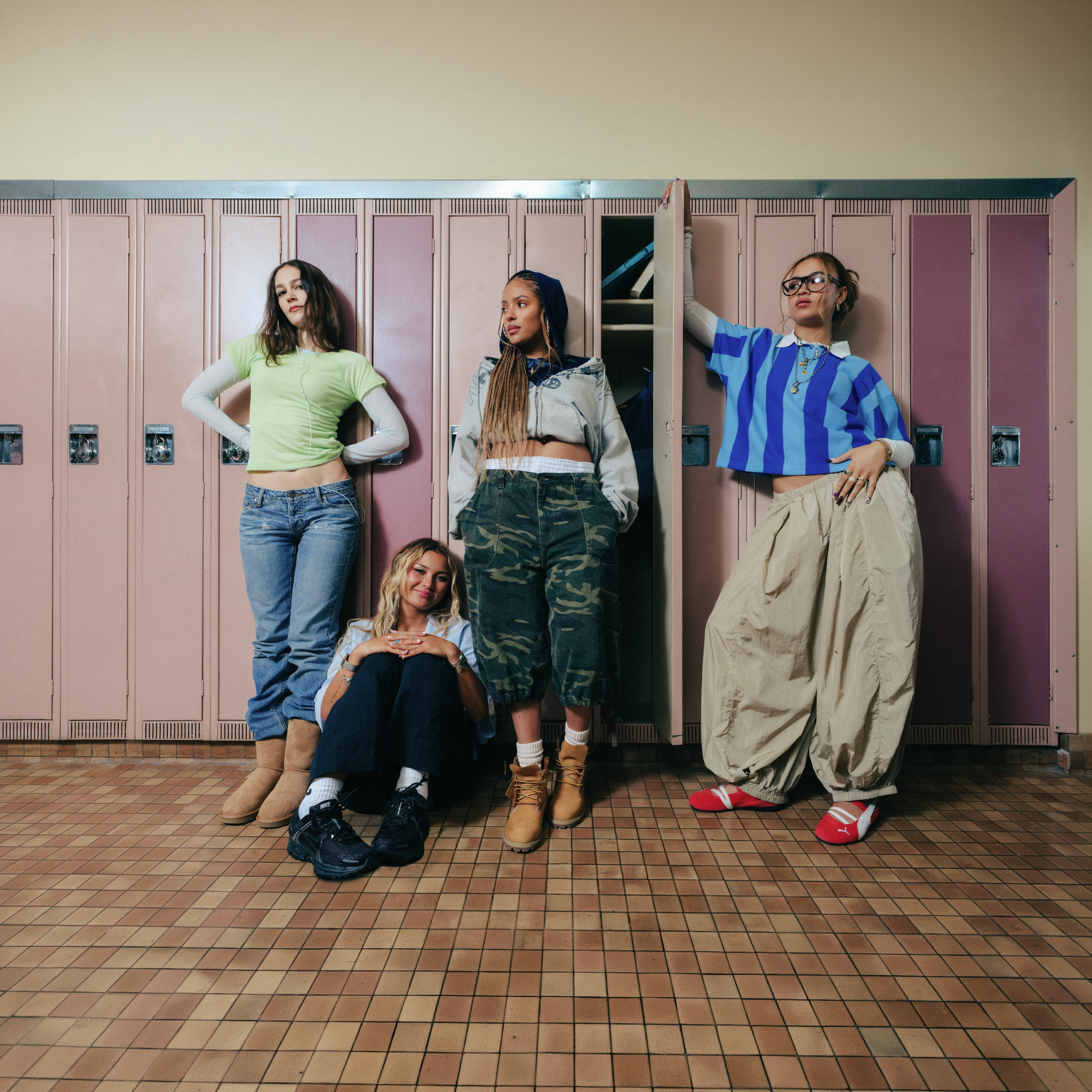
Journeys back-to-school campaign features actresses, skateboarders and musicians. Photo courtesy of Journeys.
The campaign itself is set inside a school “transformed by the unexpected,” with hallways, cafeterias and school buses turned into spaces for creative disruption.
Bailey plays three different versions of herself throughout the spots, while Sky and Ocean Brown skate through the chaos and everyday school moments get remixed into something louder and less predictable.
Doren said teens are actively pushing back this year on being sorted and categorized by a feed. The campaign positions Journeys as a place to escape that sorting rather than reinforce it, a message that maps closely onto PwC’s finding that children’s preferences, cited by 58% of parents as the single biggest influence on the final back-to-school purchase decision, are shaped by weeks of exposure through friends, social media, online communities and entertainment before a parent ever starts shopping.
Doren said the campaign is designed to feel less like advertising and more like something they’d actually choose to watch. It will run across TikTok, connected TV and experiential activations, with a behind-the-scenes content series meant to feel more like something teens would choose than something served to them.
More Voices Means More Coordination
Doren said the biggest strategic risk was the complexity of the ensemble approach itself.
“It certainly added complexity, with more voices, more coordination and more moving pieces than a traditional campaign,” she said. “But it was the right decision because it better reflects today’s teen culture. The campaign feels richer, more authentic and more representative of the community we’re speaking to.”
“We want to help them feel confident showing up as their authentic selves.” Bobby Gascon, Tillys VP of Marketing
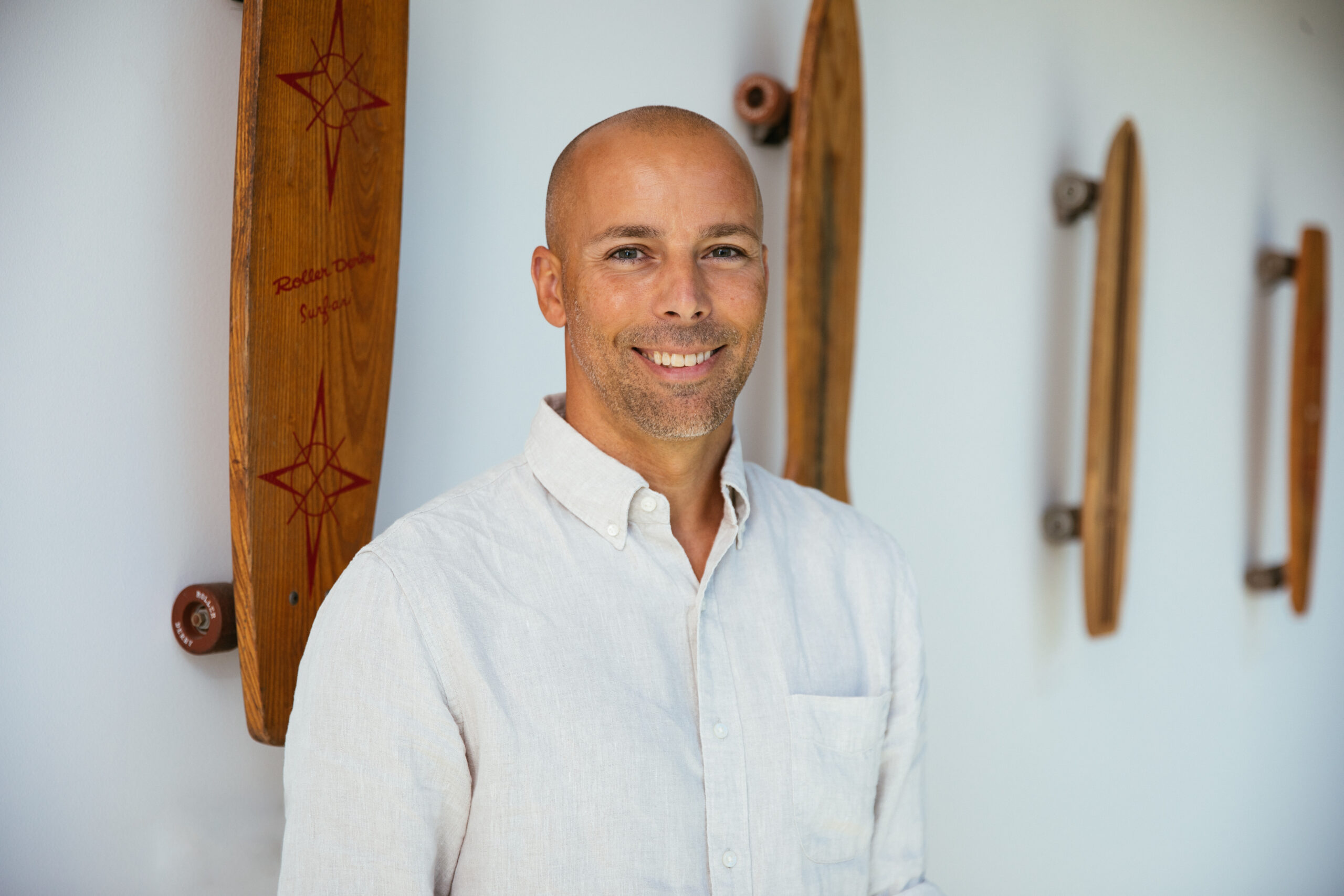
Bobby Gascon, VP of Marketing at Tillys, which operates 220 stores. Photo courtesy of Gascon.
Tillys, which operated 220 stores as of its most recent quarter, is taking a more concentrated bet this season, trading the promotional messaging and sale-driven pushes that typically dominate back-to-school for brand storytelling.
“That’s always a leap of faith because brand marketing isn’t measured by immediate results,” he said. “But we believe that building relevance and emotional connection creates stronger long-term demand than constantly chasing transactions.”
Gascon tied that approach directly to the brand’s business turnaround, now at 10 consecutive months of comparable sales growth through May.
“Over the past two years, we’ve clearly identified who we are, who we serve, what our assortment should be, how we communicate and where we show up,” he said.
Gascon described “Discover Your Style” as less a seasonal campaign than the brand’s broader operating philosophy, built on the idea that style is fundamentally about self-expression and confidence rather than what’s trending.
Rather than telling teens who to be, Gascon said the campaign is built to showcase a range of styles and personalities, using the diversity of Tillys’ customer base and brand assortment as the creative itself.
“Back-to-school is one of the biggest moments in a young person’s life each year,” he said.
An Omnichannel, TikTok-First Push
The campaign runs across CTV, digital, social, creator partnerships, owned channels, retail media and stores, with Gascon describing the goal as a consistent brand experience wherever a customer happens to be.
On TikTok specifically, the strategy centers on creator-led content built to inspire style discovery rather than sell directly, paired with TikTok Shop to shorten the distance between seeing something and buying it.
By the Numbers: This Year’s Back-to-School Season
The three campaigns above are landing against a mixed but elevated spending picture across the major 2026 back-to-school surveys, even as the surveys themselves don’t fully agree on the size of the season.
NRF’s survey, conducted with Prosper Insights & Analytics, put K-12 spending at a record $43.3 billion, up from $39.4 billion in 2025, with families planning to spend an average of $863.86.
Sixty-two percent of shoppers had already started buying by early July, and 47% said they plan to purchase only essentials up front and replenish later in the year.
Deloitte’s survey found flat spending overall at $557 per child and $30.4 billion in total sales, but a sharp split based on digital engagement: shoppers using search, social media and generative AI together plan to spend $737, nearly double the $381 planned by shoppers using none of those tools.
PwC’s survey found average expected spending of $922, with 47% of parents planning to spend more than last year.
The survey also quantified how much control teens now have over the cart: 58% of parents said their child’s preference is the single biggest factor in the final purchase decision, 61% let kids add items to the digital cart directly, and 73% of families said they’ll use AI somewhere in the shopping journey.