
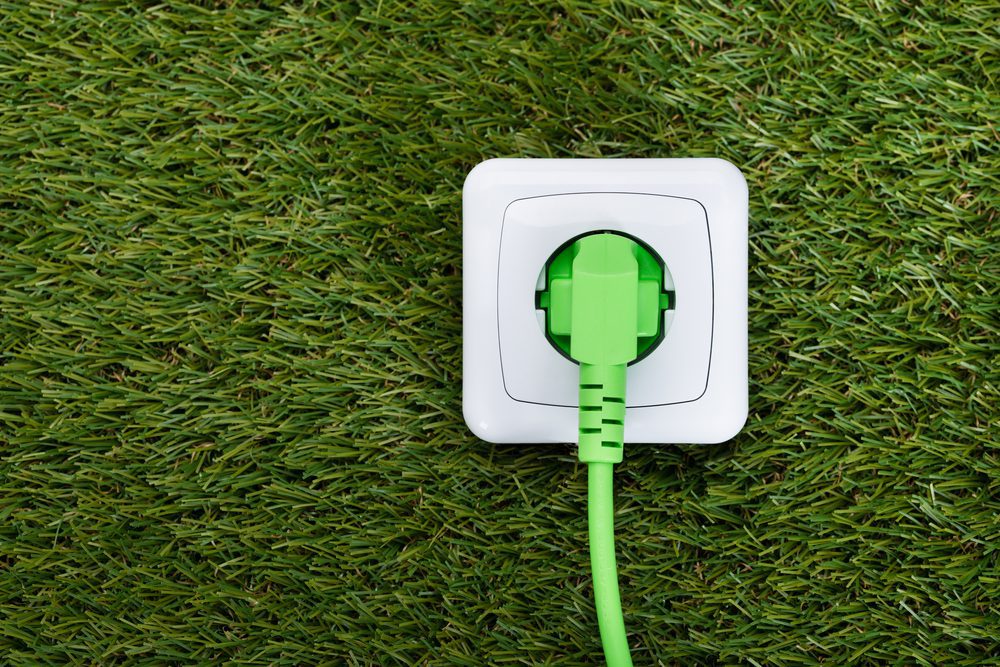
 With so much focus on the COVID-19 pandemic and its impacts on the economy, not enough attention has been paid to the probability that global climate change could make pandemics like this one occur more regularly. Retailers were some of the hardest-hit businesses due to this economic shutdown, and with climate change an ever-present threat to the industry, retail businesses are now at a crossroads. According to a study on global retail trends published by KPMG this year, the second major trend arising for retailers in the wake of the coronavirus is purpose. As you reopen your shops, here are four tips to make your purpose running an eco-friendly shop.
1. Local supply chains keep your customers coming back for more.
One of the biggest loyalty-developing business practices is local products. This trend has been growing for a few years now, and with good reason. People like to feel like they are giving back in their own community. This isn’t just good for customer loyalty; with shorter supply chains, you will be reducing your overall carbon footprint by reducing the number of carbon emissions it takes to get the products on your shelves.
The buy-local trend is the brainchild of the environmental movement in the first place, so it is the lowest-hanging fruit to rebrand your business as eco-friendly. If local supply chains are not possible for your business, find ways to streamline your logistics instead. The goal is to reduce the distance traveled from the factory floor to your shelves. For example, if you are an import retailer, you could try ordering directly from the producer of the product, rather than through a distributor. You may even improve your margins in the process.
2. Go paperless
If you truly want to hit a carbon-neutral business model, you need to kick your paper habit. Upgrading your POS systems to digital systems will easily save you thousands annually on the cost of paper, printing and stationery, but that’s not the only benefit. You will also be able to streamline your customer experience with your sales.
Most cloud-based systems also automate your inventory process, which means fewer labor costs on non-money-generating activities. Digital POS systems also will make your accounting more streamlined, which means less time with the lights on in the office. You can figure out how much paper you use per year measured in the trees needed to produce it for you, and let your customers know they will be saving that many trees by shopping in your store.
3. Stop selling plastics
Plastic is everywhere. As retailers, it can be nearly impossible to find products that don’t contain plastics in the product itself, let alone find products that aren’t packaged in plastics. But to be eco-friendly, you need to stop selling plastics of any kind. Plastic waste is one of the largest challenges facing marine ecosystems today, and it has far-reaching impacts on the environment and human health. To truly do your part, finding alternatives isn’t just a nice idea — it’s essential.
4. Eco-Friendly doesn’t stop at closing time.
Customers aren’t fools. They know the difference between a gimmick and a meaningful action. If you want to build up customer loyalty, you can’t just call your business eco-friendly, or even do the bare minimum. You have to walk the walk. Environmentalists know that in order to stop climate change, we all need to do everything we can. Going the extra mile by organizing local trash pickups, participating in earth day blackouts and using your business as a means to push local politicians to pass effective environmental policy will show your customers that when it comes to the environment, you mean business.
Casper Ohm is the Editor-in-Chief at Water-Pollution.org.uk, an outlet intended to raise awareness of the alarming levels of water pollution in our planet’s oceans. When he isn’t scuba diving and collecting data in the far corners of the world, he lives in New York with his family.