
 Shopping for clothing used to be a satisfying, carefree pastime. But the pandemic halted the act of shopping as we know it. Retail store owners have unique obstacles to overcome. Small, enclosed areas such as a fitting room can increase the risk of viral infection. And customers touching or trying on clothing adds to the risk of spreading the coronavirus. Trying on new clothes can’t proceed as business as usual in the age of COVID-19.
Brick and mortar retailers of all sizes have enough challenges as it is — many people turned to online shopping during COVID-19 as an alternative to retail store visits, while many cities mandated residents to stay home. Retail clothing and accessory stores suffered a 62% loss in sales during the critical months of the pandemic, while major online retailers noted business was up as much as 119%.

As restrictions loosen up and retailers get back to business, they’ll need to compete with the online stores that have picked up a large part of the market share. Prioritizing the safety of employees and customers is a good start. One of the first places a fashion or apparel retailer should focus on are the fitting rooms and how the clothing is handled, from the clothing rack to the shopping bag after the purchase.
Consider the following organizational ideas. Implemented properly, they can show hesitant customers that safety can work effectively without detracting from their retail experience.
Fitting Room Disinfection
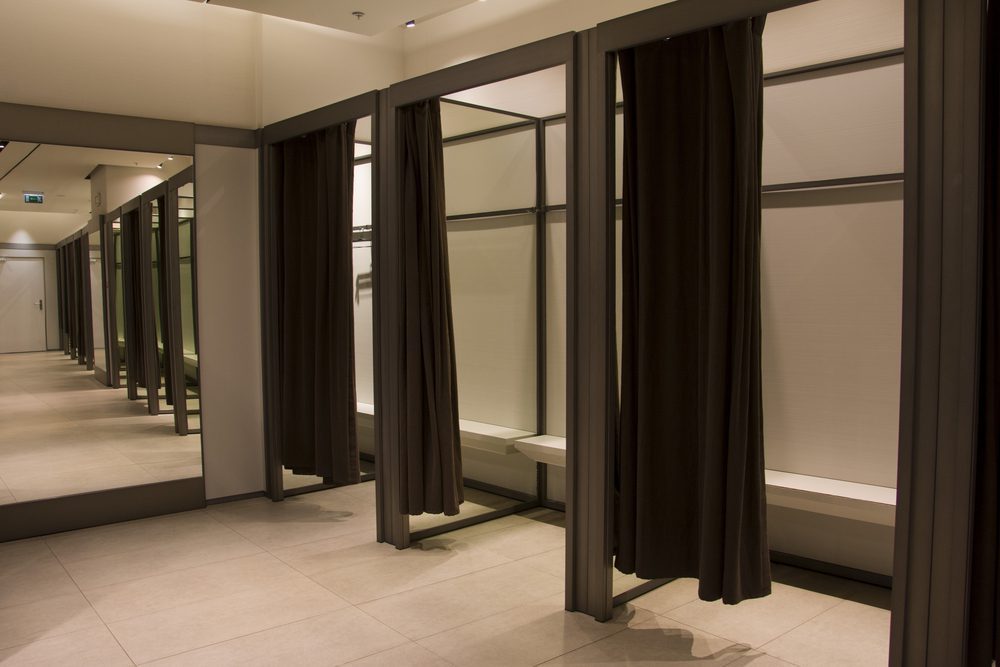
As mentioned, a small enclosed space without proper ventilation can be a dangerous proposition. Proper measures must be taken to ensure fitting rooms are virus-free for customers. A system must be created so that employees can manage the number of customers who use the fitting rooms.
If your retail store has multiple dressing rooms, social distancing is of utmost importance. Buffer zones that create a distance of at least six feet between customers are essential. Closing half the fitting rooms by alternating available ones with blocked off rooms can create the space required. Once the customer leaves the fitting room, it should be disinfected to eliminate any contamination.
A few ways to maintain the safety of the fitting rooms include:
- Controlling or limiting the flow of customers in and out of the dressing rooms.
- Having an employee wipe down all surfaces in the fitting room with a disinfectant before and after a customer enters or exits. The disinfection should be completed before anyone else enters the room, even if there’s a line of impatient customers waiting to try something on.
- Special handling of clothing the customer tried on is needed. Employees should wear protective gear including gloves to pick up the unpurchased clothes to isolate them.
- Wiping down all hangers and apparel count tags with disinfectant.
The Garment Life Cycle
Part of a fitting room’s cleanliness plan should address what to do with the discarded clothing after it’s tried on. COVID-19 can live on fabric for several hours to up to a day. Some people believe that putting the garments out in the sunlight kills the virus — but it’s a myth. Handwashing is still one of the most effective ways to reduce the spread of the virus — customers should be required to wash or sanitize their hands before they enter the room to try garments on.
One method that’s effective against COVID is steaming garments. The hot steam is gentle on textiles but is effective at killing the virus. Setting clothes that have been tried on aside to be thoroughly steamed is a great way to reduce the risk of cross-contamination. To be safe, it’s best to keep garments off the floor for the day before putting them back on display.
Creating a Consistent System
For the new COVID-19 hygiene system to work best, it needs to be consistent. All staff should be trained on how to properly keep a retail store sanitized and virus-free. But before you train your team, it’s best to create a workplace policy to address the coronavirus risk within a retail store.
Once you’ve established uniform store procedures and cleaning protocols, create and physically publish a workplace policy to disseminate among all employees for them to read and sign. A dressing room chart could be helpful. Assign employees varying duties of steaming or disinfecting the fitting room throughout the day, and have the responsible person log the tasks. Having a clear and well-organized system with supporting documentation will ensure your store runs efficiently without gaps in the sanitation process.
The New Retail-Store Normal
The retail store of the post-COVID world must be different to be safe. A retail new normal is inevitable to compete with online retail — and COVID-19 adds a sense of urgency to organizational changes. Fortunately, ensuring the health and safety of your customers and employees doesn’t require much capital. Instead, a shift in the tasks your team performs may be all that’s required to keep your store’s doors open.
Jori Hamilton is an experienced writer residing in the Northwestern U.S. She covers a wide range of subjects, including topics relating to business productivity, marketing strategies, and consumer retention. To learn more about Hamilton, you can follow her on Twitter and LinkedIn.