
Key Takeaways
- DoorDash will acquire Instacart for $65.00 per share in a $17 billion deal, a 26% premium, and plans to keep Instacart’s brand, app and enterprise technology after the deal closes in late 2027 or the first half of 2028.
- Instacart customers could shop at more than 50,000 additional stores, and DashPass and Instacart+ members would pay one membership fee instead of two, saving an estimated $100 million per year.
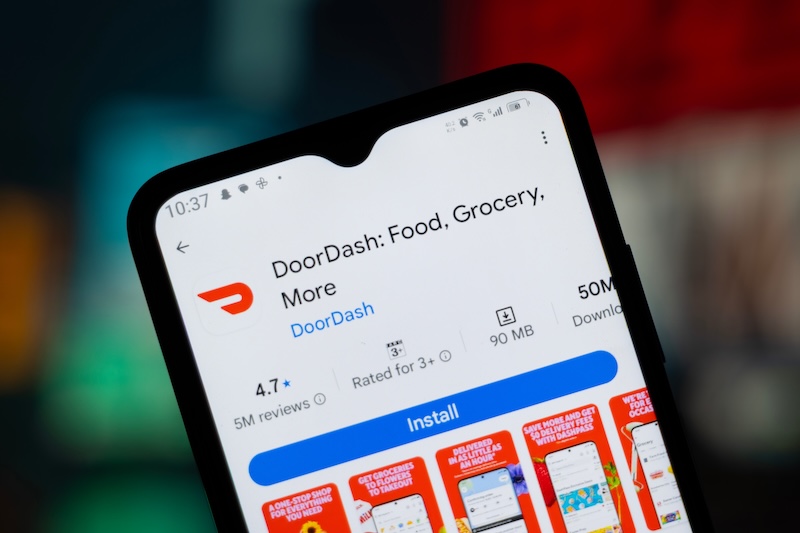
DoorDash has entered into an agreement to acquire Instacart, in a deal valued at $17 billion.
According to officials for both company, grocers and retailers will benefit DoorDash’s delivery network and Instacart’s grocery and fulfillment technology, in both apps and on stores’ own websites, along with the advertising and AI tools each company has built,
Following closing, DoorDash is expected to keep Instacart’s brand, enterprise technology products, and app. Until the transaction closes, DoorDash and Instacart will continue to operate as separate and independent companies.
What Are the Terms of the DoorDash-Instacart Deal?
The transaction announced Oct. 29 values Instacart at $65.00 per share, representing a 26% premium to Instacart’s closing price on October 22. The transaction is expected to close in the end of 2027 or the first half of 2028.
“Grocery is one of the hardest things to get right online,” said Tony Xu, co-founder and CEO of DoorDash in a statement. “Instacart has spent years learning to do that well for grocers, while DoorDash has built a delivery network and technology that local stores rely on every day. Together, we could give stores of every size more of those tools and unlock the potential of grocery delivery. It’s still early innings, but we know that when more people shop local, more dollars stay local.”
How Will the Acquisition Affect Grocers and Instacart Shoppers?
The deal between the online retailers comes as more people are buying groceries and everyday goods online. Both companies are focused on helping local stores grow online and the transaction will enable more grocers to deploy Instacart’s technology to run their own websites and retail media networks, bringing them more sales and advertising revenue. Grocers could add capacity for online orders through DoorDash’s DashMart Fulfillment Services and offer faster, more accurate, and more affordable delivery.
Among the DoorDash post-close commitments it is making to ensure the merger benefits local communities is local grocers can work with any delivery platform they choose to help them grow and Instacart Shoppers can keep the features they love, including the flexibility to choose how much they work and the information they need to decide which batches to accept, and choose whether to take on DoorDash orders or keep shopping only on Instacart.
What Does the DoorDash-Instacart Merger Mean for Consumers?
DoorDash expects benefits that will results from the transaction include more choices for consumers as Instacart customers could shop at more than 50,000 additional stores, on top of the nearly 100,000 stores on the Instacart platform today. Additionally, DashPass and Instacart+ members would pay one membership fee instead of two, which would save them an estimated $100 million per year on membership fees alone.
“Over the last 14 years, Instacart has transformed online grocery by helping retailers of all sizes compete and grow, and joining forces with DoorDash allows us to do even more,” said Chris Rogers, CEO of Instacart. “When our purpose-built grocery technology and trusted retailer and brand relationships are combined with DoorDash’s global consumer reach and logistics capabilities, we can create new opportunities for our retail and brand partners, offer an even better experience for customers and shoppers, and deliver compelling value for our shareholders.
“Together, we can accelerate innovation across the grocery industry and make online grocery more seamless and affordable for the millions of households we serve.”