
Key Takeaways:
- 43% of shoppers say there are too many sales to keep track of, while 39% say one major sale event is enough to get what they need.
- Analysts say the growing volume of promotions is eroding their effectiveness, with sales units either matching or falling below prior-year levels.
- Despite signs of fatigue, experts don’t expect retailers to cut back on promotional events anytime soon.
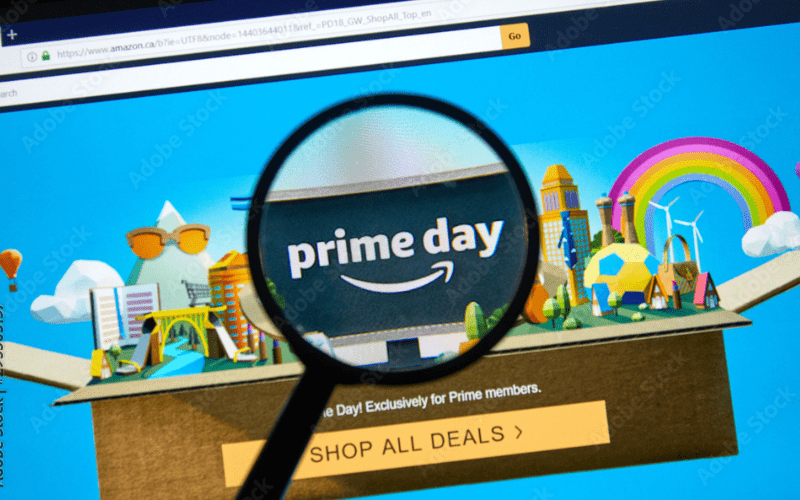
Several of the retail industry’s biggest sales events, such as Amazon Prime Day, Target Circle Deal Days, Walmart Deals, and sales at Kohl’s and Staples occurred simultaneously last week.
What was once Amazon’s marquee shopping event has evolved into a week of competing discounts. The overlap underscores how retailers have replaced a handful of major seasonal sales with a steady stream of shorter promotional events designed to keep shoppers coming back.
Consumers Want Deals, But Too Many Are Taking a Toll
Consumers say they need the savings. According to a report by Mintel, 75% of shoppers say it’s more important than ever to shop during sales.
But the constant barrage may be wearing them down. Separate research found that 39% of shoppers feel overwhelmed by frequent promotions, while about 25% avoid major sale events altogether.
PYMNTS Intelligence data suggests frequent sales events may be losing their impact, with 41% of shoppers saying the volume of promotions makes them feel less special. The same research finds 43% of retail customers say there are now too many sales to pay attention to them all, and 39% say they only need to shop one major sales event to get what they need.
Research underscores the central tension: Retailers are betting that more frequent promotions will boost sales, but shoppers may be tuning them out.
Analysts Say Sale Fatigue Is Real
“We’ve been seeing more sales, earlier sales, and more sale days for years,” said Sucharita Kodali, VP and Principal Analyst at Forrester Research, in an interview with Retail TouchPoints. There is cognitive dissonance among consumers, added Kodali.
“Most consumers shop during sales,” Kodali. “The bigger issue is that sales are less effective at driving lifetime value or profitability as consumers wait for sales whenever they can, so they delay their big purchases for sale periods.”
The frequency of sales creates shopping fatigue, said Marshal Cohen, Chief Retail Adviser at Circana.
“Over the course of the past few ‘sales weeks’ by the major retailers, we have seen the potency wane,” he explained. “The sales have either matched the previous year or fallen below in units. Dollars remain slightly higher, but that is mostly due to higher costs.”
Consumers are buying “closer to need,” Cohen noted, “as they feel the economic pressures of several economic and emotional factors, gas being the most recent one. This causes the consumer to not feel the urge to stock up on good deals until they need to replenish those items.”
Do Competing Sales Actually Move the Needle?
Shoppers are very receptive to deals and offers, explained Neil Saunders, Managing Director and Retail Analyst at GlobalData Retail.
“Does discounting drive extra spending?” he asked. “It likely has something of an incremental effect because it can pull spending from non-retail areas. A lot of it is just about shuffling around when the spend is made and where it goes. Retailers are trying to grab share from rivals.”
On the timing front, Saunders noted, “summer promotions don’t really take much spend away from Q4. Things like Prime Big Deal Days which occurs later in the year and the promotions that happen well before Black Friday, do result in some reallocation of spending away from the peak trading periods. The bottom line is that consumers only have so much to spend.”
The Operational Cost of Constant Promotions
Running more promotional events isn’t just a marketing challenge. It also requires retailers to carefully coordinate pricing, inventory, and supplier relationships.
“Merchants should strike big deals earlier with vendors if they want to win big on key sale dates,” Kodali noted. “That’s essentially what Amazon does with its Prime Day Deals.”
From an inventory perspective, Saunders added, “selling huge volumes across short spaces of time can make operations difficult and, if not managed properly, it can result in higher costs.”
Retailers Aren’t Slowing Down Anytime Soon
Despite those operational challenges, analysts don’t expect retailers to ease up on promotions anytime soon.
“A material portion of most retailers’ sales are done with some level of discount, whether it’s a permanent markdown, limited time sale, loyalty discount or some other offer,” explained David Silverman, Senior Director of Corporates at Fitch Ratings. “Retailers adjust their approach to promotions over time based on data analytics to create excitement, compelling consumers to make purchases.”
Amazon has been successful with Prime Day, Silverman added, and competitors have been forced to respond with similar offerings given the highly competitive nature of the industry.
“It’s possible the current spate of promotions could pull forward some durable goods purchases like consumer electronics, but we don’t think there will be a meaningful impact on Q4 sales,” he said. “Retailers will continue analyzing customer trends and we could see promotional cadences shift again to drive excitement and newness in the shopping calendar.”