

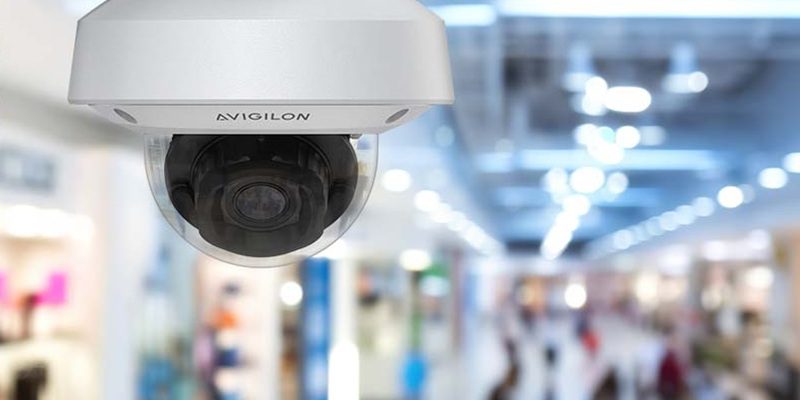
Shopping centers combine the weaknesses and vulnerabilities of individual retail environments with the logistical complexity of mixed-use, densely populated public spaces. Protecting them is a true test of resilience and vigilance.
The security teams responsible for said protection must contend with a sector of crime that takes many forms and is rising in both prevalence and intensity. Major cities, such as New York, Los Angeles and Houston, have seen shoplifting increase by over 40% in the past 5 years, which, when combined with the 81% of retailers who report an increase in violence and aggression associated with theft, paints a dire picture.
Video cameras and access controls have long been at the forefront of physical store security, though traditional models struggle with the large crowds and irregular movement of busy shopping centers.
Understanding shopping center risks
Before looking at industry trends, it’s best first to understand the state of affairs they address. Shoplifting, as mentioned, is rising across the US, driven largely by organized retail crime (ORC). Incidents of ORC range from gift card, return and payment fraud to the coordinated theft of goods via distraction and obfuscation, which is typically difficult for cameras to detect.

Vandalism is another common, costly risk in shopping centers. This can be as straightforward as smashing a window to steal from a display, or more subtle, such as spray-painting graffiti or loitering to test response time and security readiness as a precursor to further crime. These make retail spaces, in practice and perception, less safe, deterring visitors and resulting in lost revenue for vendors.
Effective security is measured by the swiftness of the response they enable. The delays inherent in the traditional approach, known as the response gap, create time for escalation and for perpetrators to escape.
The core features of effective shopping center security
In safeguarding retail stores and busy shopping center floors, security networks should have the following features as a baseline:
- High-resolution recording
- Centralized video management systems
- Role and time-based access controls
These ensure that zooming won’t degrade image quality and that all footage is easily obtainable.
Access control solutions governed by time and role limitations mean that staff are permitted entry only to areas aligned with their function, and their credentials are active only during their shift. This reduces the chances of credentials being stolen or duplicated and means that tailgaters can only proceed so far before they are spotted. Using mobile access controls further strengthens this layer of security, tying entry to a device that workers always carry.
Modern solutions, of course, go beyond this baseline, focusing on facilitating real-time awareness and proactive responses.
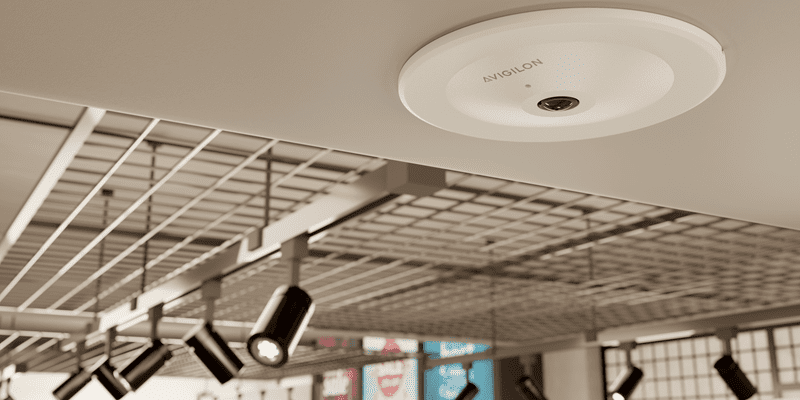
AI-enabled threat detection and automation
Even with high-quality imaging, there’s still an onus on security teams to observe feeds manually. The hundreds of individual cameras spread across the shopping centers generate an overwhelming amount of video, and even dedicated teams suffer from burnout.
AI is possibly the biggest trend reshaping the world of physical security at the moment because it addresses the shortcomings and strain involved in active observation.
Using object recognition and pattern detection, AI scans footage in real time for suspicious behavior. It can identify instances of loitering, intrusion and shoplifting, and send an automated alert to teams along with video evidence for immediate verification.
Crowd and group observation present a unique challenge to humans that does not apply to AI. Many instances of ORC rely on the fact that commotion can distract and misdirect eyes, even those watching through security cameras. Automated image analysis has no focal point, viewing each frame, making it an effective tool for combating retail crime.
This technology has become increasingly proficient at prioritization, using contextual information across adjoining systems to isolate genuine threats from false alarms. By filtering out the noise inherent in complex, high-footfall spaces, AI helps operators respond faster and with greater clarity to incidents.
Integration creates a system that is stronger than the sum of its parts
An often overlooked contributor to slower response times is isolated security measures.
Siloed alarms, cameras and access control can all function as they should, but unless they communicate with one another, the space between them becomes a systemic blind spot. Integration brings these disparate features together, enabling cross-functional capabilities that enhance each component.
Access control logs are sent to the same platform as live video feeds, so security teams can immediately verify that credentials match the individual using them, without having to switch between systems.
A lack of integration increases the noise security teams must sift through, such as when multiple alarms are triggered across different systems that all relate to the same threat. When treated as individual alerts, it may not be immediately clear to operators what is transpiring, and by the time they connect the dots, the situation may already have escalated.
The push for smarter video camera security in shopping centers
AI analytics and streamlined access controls are leading topics of conversation in security discussions. These solutions, both of which center on data and smarter workflows, indicate a broader push to prioritize real-time situational awareness and informed responses.
Traditional CCTV and its retrospective uses do little to combat the present-day threats facing shopping centers, and statistics on shoplifting and acts of violence show more advanced measures are needed to help create a safe, enjoyable experience for patrons and staff.
AUTHOR BIO
 John Kim
John brings over 15 years of experience in product development and design, specializing in physical security solutions. As Senior Director of Product and Design for Avigilon at Motorola Solutions, his expertise lies in driving innovative hardware development and implementing agile best practices to deliver cutting-edge products. John also possesses a keen understanding of cloud security, AI and emerging technology trends, leveraging them to shape the future of security solutions.