
Key takeaways:
- Total sales at Ross Stores rose 13% to $6.3 billion in Q2, with comparable-store sales up 10% on the strength of higher transaction counts. Net income climbed to $851 million from $508 million a year earlier.
- Growth came from a broad customer base, including new shoppers across demographics, lapsed customers returning after long absences and existing shoppers making more frequent trips and spending more per visit.
- Management raised its outlook, projecting comparable-store sales growth of 6% to 7% in Q3 and 4% to 5% in Q4, and now plans to open 115 new stores in 2026, including 51 in the third quarter.
Ross Stores is gaining momentum as stronger customer traffic, an improved in-store experience and rising engagement from new and returning shoppers fuel its growth, giving the off-price retailer confidence that it has significant runway ahead.
Company officials Thursday (Aug. 20) reported a 13% increase in total sales, to $6.3 billion, while comparable-store sales rose 10% for Q2, which ended Aug. 1, 2026. Net income was $851 million versus $508 million last year. Based on the impressive performance, CEO James Conroy raised the company’s outlook for both the third and fourth quarters with same-store sales now expected to increase 6% to 7% in the third quarter and 4% to 5% in the fourth quarter.
“Our performance was fueled by our compelling merchandise offerings, engaging marketing initiatives and continued enhancements to the in-store experience,” Conroy said during the company’s Q2 earnings call. “We were pleased to see strength throughout the quarter, with comparable store sales growth once again primarily driven by customer traffic. Importantly, that growth was supported by both an increase in new customers and higher engagement from existing customers.”

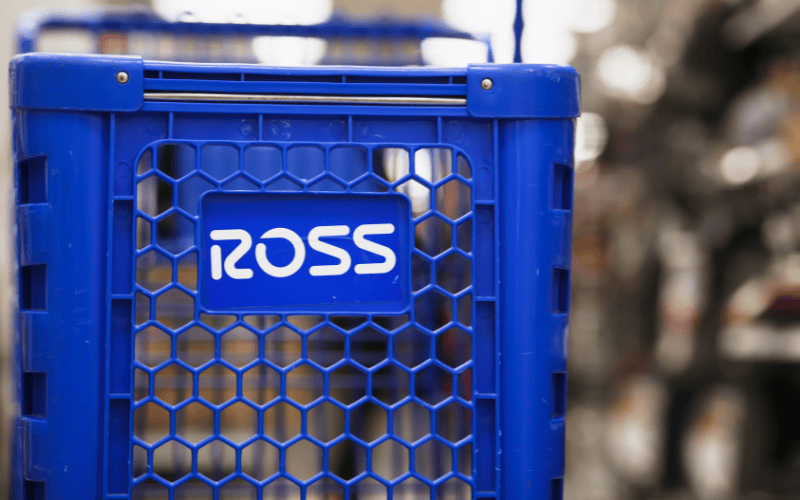
Dublin, Calif.-based Ross Stores operates the off-price apparel and home fashion chain Ross Dress for Less and the more moderately priced apparel, accessories, footwear and home fashions chain dd’s DISCOUNTS.
New and Returning Customers
Conroy said the increase in traffic reflects the impact of the company’s customer-acquisition efforts, while existing shoppers are also responding to value and the expanded merchandise assortment.
“Customer traffic once again served as the primary driver,” Conroy said during the Q&A session of the call. “We believe increased traffic reflects our customer acquisition efforts and we are seeing more frequent trips and higher spend from existing customers. New customers span a broad range of demographics, including younger shoppers.”
Lapsed customers, identified largely via credit card data, shows shoppers who had not shopped for extended periods had returned, Conroy noted.
“Our performance indicators from a customer standpoint are extremely strong,” Conroy explained. “Are we seeing customer capture from new customers? Yes. We’re also seeing lapsed shoppers return and existing shoppers are shopping more frequently and everyone is spending more money.”
Merchandising, Stores and Marketing
Merchandising, stores and marketing are three areas with significant runway.
The merchandising team is working to build stronger assortments, establish relationships with new vendors and develop better merchandise stores across categories. The company is also finding ways to make its stores more appealing. Conroy credited store teams with enhancing the in-store experience and responding effectively to the acceleration in sales.
The company views the three efforts as interconnected: marketing brings customers into stores, merchandise converts those customers into buyers and the store experience helps strengthen the relationship.
“Our merchandising team is doing a great job building a great assortment, opening up new vendors and new brands, and telling better merchandise stories across categories,” Conroy said. “We’re also getting a tremendous amount of engagement with our creative messaging, including Instagram. We’ve absolutely seen new customers come into our stores and we’re recapturing customers who used to shop with us.”
Inventory Supports Demand
Company officials say they’re entering the fall season in a favorable inventory position.
The company was able to leverage its inventory flexibility to meet higher customer demand, contributing to stronger sales and improved merchandise margins. Officials are pleased with the level and flexibility of inventory as the company moves into the second half of the year.
Ross is simultaneously expanding its physical footprint as it now plans to open 115 new stores in 2026, including 51 in the third quarter, along with five to 10 relocations/closures. Company officials are encouraged by recent openings in existing markets as well as new markets, adding another potential source of sales growth.
“We’re very excited about our expansion opportunities,” said Michael Hartshorn, Group President, COO and Director at Ross during the conference call.
Sales Rise 13%, Outlook Increases
Total sales increased 13% to $6.3 billion in the second quarter, while comparable-store sales increased 10%, driven by a higher number of transactions.
The company also raised its expectations for the next two quarters as it exited the period with what management described as building momentum.
For the third quarter, Ross expects comparable-store sales to increase 6% to 7%, with total sales projected to rise 9% to 11%. The company expects to open 51 stores during the quarter.
For the fourth quarter, comparable-store sales are expected to increase 4% to 5%.
Management’s confidence extends beyond the current sales outlook. Conroy said the company believes it is only beginning to tap the full growth potential of the business, with opportunities remaining across merchandising, marketing, stores and customer acquisition.
For company officials, Q2 results suggest growth isn’t being driven by a single customer group or temporary event. Instead, increased traffic, returning shoppers, more frequent visits and continued store expansion are combining to create what management views as a big opportunity to gain market share.
“The underlying metrics we see are extremely positive across the board,” Conroy added. “For the time being, we’re going to continue to work with the economic model we have. We want to have the best value in our stores. We really want to be there for the customers who are battling higher gas prices and all the other inflationary increases they have in their lives.”