
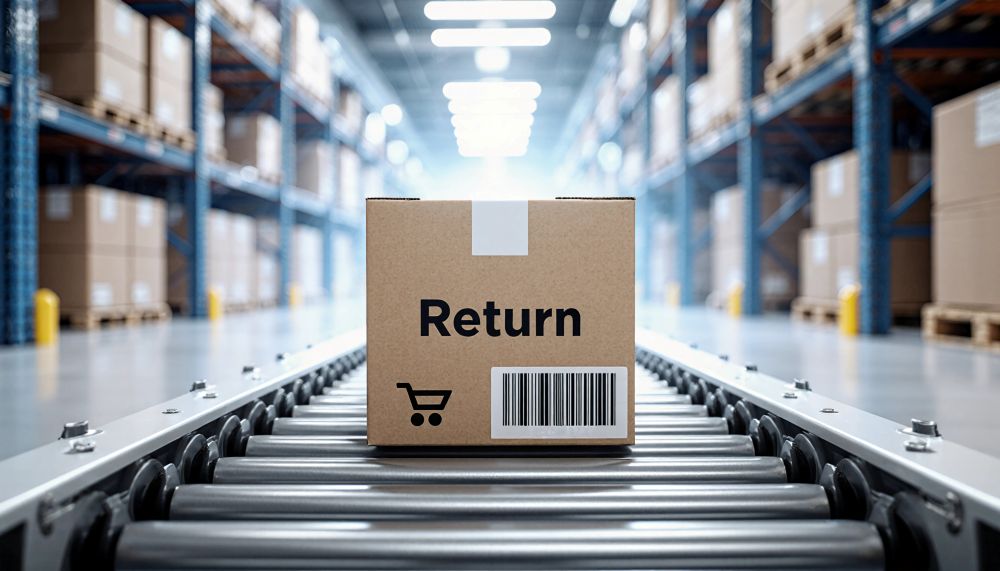
Returns are a numbers game, and mostly the numbers don’t favor retailers, particularly ecommerce merchants. In October 2025 the National Retail Federation forecast a 15.8% return rate in 2025, totaling nearly $850 billion. That would be a big enough challenge for the retail industry if all returns were legitimate, but fraudulent returns make a difficult problem even more complicated — and more expensive.
Everlane, an apparel retailer that focuses on sustainability, uses multi-layered defenses to minimize return fraud, including risk scoring from Yofi to help identify fraudsters, or customers simply abusing the returns process, that has helped halt $30,000 to $40,000 in fraudulent returns each month. Yofi’s risk scoring uses AI to flag unusual return patterns, such as multiple high-value returns, unusual drop-off locations or very fast return cycles.
Additionally, Everlane’s returns partner, Happy Returns, uses AI-powered computer vision to help ensure that returned items match the label (and the refund provided to the customer). This automated visual comparison of the product with the retailer’s catalog images confirmed that 18% of suspicious returns were indeed fraudulent, and each instance of fraud discovered by Return Vision prevented an average of $240 in loss.
Discovering Vulnerabilities in the Everlane Return Process
While Everlane has been working with Happy Returns on the logistics of returns for nearly a decade and has taken advantage of Happy Returns’ array of anti-fraud solutions, the retailer had become aware that returns fraud methods were evolving.
“At first we had some anecdotal evidence about our vulnerability in the returns process, but we had no idea how sophisticated it had gotten,” said Jim Green, Director of Logistics and Fulfillment at Everlane in an interview with Retail TouchPoints. “When we began talking to Yofi, however, they showed us messages on Telegram talking about Everlane being specifically targeted by fraudsters.”
Fraudsters also used scams such as FTID (fake tracking ID), “which uses a third party to manipulate the shipping label to drop a dummy label off at, say, a UPS Store — so the refund is issued, even though the package never makes it back,” said Green. “A less sophisticated technique is to simply ship back a cheaper item, making it look like a legitimate return before the retailer discovers it’s fraudulent.”
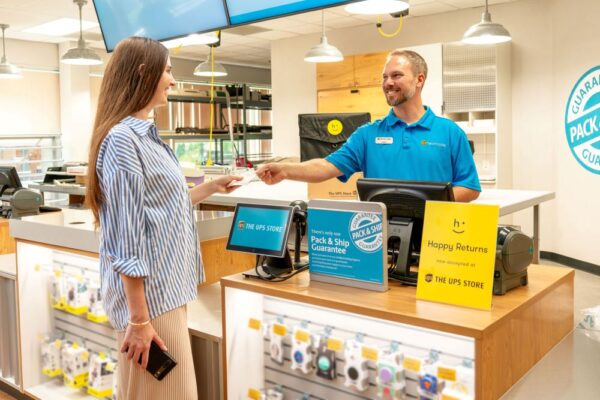
A UPS Store Happy Returns Return Bar. Image courtesy Happy Returns.
In-Person Returns Serve as Initial Defense Layer
Much of the potential return fraud is stopped early on, because approximately 85% of Everlane shoppers who are returning an item use one of the 8,000 Happy Returns Return Bar locations.. The nature of these in-person returns, with the Returns Bar associate physically seeing and accepting the item, prevents many types of return fraud, such as returning less expensive items with another item’s price tag or shipping a box with no item inside. Having to perform the transaction in person serves as a deterrent to many would-be fraudsters.
The next layer of defense is the risk scoring from Yofi that analyzes potentially suspicious return behaviors in real time, halting any refund until a determination is made. Even though less than 1% of Everlane returns are flagged as potentially problematic, this new level of visibility has resulted in Everlane’s stopping $30,000 to $40,000 in fraudulent returns each month.
AI-Powered Return Vision Creates Another Defense Layer
While the Happy Returns in-person locations help deter many types of fraud, some will inevitably slip through. “There are still individuals trying to evade the process, with lookalike products or by swapping tags,” said Juan Hernandez-Campos, COO of Happy Returns in an interview with Retail TouchPoints. “That’s why we’re making these additional investments to look at returns characteristics, so we can flag it and inspect it in our warehouse.”
Happy Returns’ AI-powered Return Vision tool takes a picture of each returned item that has been flagged as potentially suspicious in order to compare it to the retailer’s catalog image. This is because different items often appear visually similar, with subtle differences in knit, fabric or construction that may go unnoticed by human eyes. “The AI tool does the first comparison, and then makes a recommendation,” said Hernandez-Campos. “Because [that recommendation] will have a financial impact on the refund, we then have a human go through and verify it.
“A human could do this, but AI automates this, logs and documents it at scale,” Hernandez-Campos added. Since deploying this tool in November 2025, the solution has confirmed that 18% of the in-person returns that had been flagged as suspicious were indeed fraudulent, with each instance of fraud discovered by Return Vision preventing an average of $240 in loss by stopping refunds on mismatched items.
Using Anti-Fraud Tools to Improve Returns Operations and Profitability
An additional benefit of these fraud-fighting solutions is the rich data they produce about returns and the return process, and Everlane wants to leverage as much of that data as it can.
“It’s more data, and data’s never a bad thing,” said Green. “We’re looking at ways to use this data beyond returns fraud, because even non-fraudulent returns are expensive. The better we can ingest data, the better we can use these risk scores — even using them proactively, assigning a risk value to a customer even before the order is placed. Say it determines that this customer has a high risk of returning an item because of poor fit. Theoretically, we could reach out in advance and say ‘Here’s how we’ll help you with the sizing.’
“I could also see it identifying the types of behaviors that customers might engage in,” Green added. “These might be return policy abusers — maybe they buy something, wear it once and return it, for example. These are not profitable customers for a retailer, even if they’re not actually fraudsters.”
As you might imagine, it’s tricky for a retailer to balance the need for frictionless customer interactions — including returns — with the equally important need to mitigate fraud. “Every retailer asks how they can reduce vulnerability to fraud while also providing a top-notch customer experience to the 99% of returners who aren’t involved in return fraud,” said Green. “How do you manage that balance? That’s where this tool really helps; by identifying fraud proactively, a retailer could set different return rules depending on these risk scores or other factors — which would ultimately allow the retailer to be more flexible with their return policies.”