
Key Takeaways:
- Marketers targeting World Cup fans are building hyperlocal activations, community events and culturally relevant experiences that engage fans and non-fans alike.
- From The Home Depot’s partnership with David Beckham, who has a genuine DIY ethos, to stadium-adjacent fan fests with local sports teams and celebrity chefs, World Cup campaigns are rooted in meaningful partnerships — not surface-level sponsorships.
- The brands with the strongest presence are already integrated into how consumers are gearing up for the World Cup, which is happening in 16 North American cities this summer.
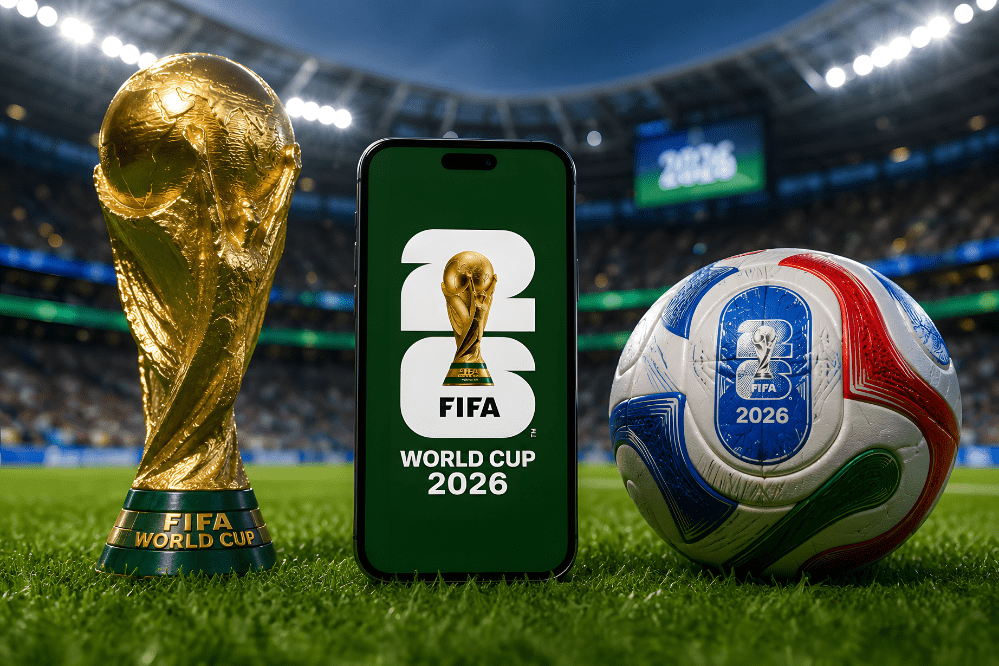
The 2026 World Cup is poised to become the most-watched sporting event in history, with FIFA President Gianni Infantino estimating a global audience of 6 billion viewers across broadcasts, streaming platforms and highlights.
That engagement is creating a rare opportunity for brands and retailers to connect with consumers through a shared cultural moment.
“It’s not just about watching the match; it’s about the moments and celebrations that happen around it,” said Allison Kolber, VP of Integrated Marketing for The Home Depot. “Whether someone is a lifelong fan or tuning in for the occasion, there’s a real desire to gather, connect and make it a shared experience.”
As the tournament unfolds in 16 North American cities from June 11 to July 19, the biggest marketing opportunity isn’t on the field. Instead, marketers are looking beyond the matches and capitalizing on the excitement surrounding the event to drive campaigns, community engagement and customer connections.
The common thread across these efforts is flexibility: Consumers can engage with the World Cup in different ways, whether they’re devoted soccer fans or casual viewers drawn to the surrounding festivities. The tournament represents “cultural moments that people plan around, build toward and experience together,” Kolber said, prompting businesses to tailor campaigns and activities that foster community.
Crafting Community-Based Campaigns
North American businesses have the home field advantage to create experiences surrounding the matches and extend them beyond the games, to host in stadiums’ backyards to foster connection and draw crowds together.
In the case of entertainment and retail center American Dream, it’s hard to get any closer.
Though American Dream is the only parking option for ticket holders at MetLife Stadium, which is being temporarily rebranded to New York/New Jersey Stadium for the tournament, it doesn’t mean its strategy stops at game attendees. Through “Dream Fan Fest,” the center is creating an immersive experience for attendees and non-ticket holders alike, featuring 39 days of celebrations.
With the Mexican team opening the World Cup at the stadium, Gregg Schwartz, American Dream’s Director of Public Relations and Head of Sports Marketing, said that the event will start with an Adidas-sponsored kickoff hosted by former radio personalities and Amazing Race alumni Lulu and Lala, and will feature giveaways, a mariachi band and more.
With fans poised to walk over American Dream’s pedestrian bridges to access the stadium, the complex is ensuring ticket holders will have everything they need before crossing over.
“To capitalize on that foot traffic, we’re going to have a vendor village inside our building steps away from the pedestrian bridge and the only soccer-focused Adidas store in the U.S.,” Schwartz said, explaining that this will provide retailers with the last minute opportunity to sell some merchandise and equip game attendees with anything they might need.
The Home Depot’s Hyperlocal World Cup Activations
Although The Home Depot isn’t directly connected to a host stadium, Kolber noted that the retailer is at an advantage because it engages with markets across North America, and its hometown of Atlanta is a host city.
“Marketing around the World Cup feels tailor-made for The Home Depot,” she explained. “Our activations will be different by market, showcasing how local relevance and authentic talent alignment are the difference between a brand just ‘showing up’ and a brand actually adding value to the fan experience.”
Ahead of the tournament, the home improvement retailer positioned itself as the “one-stop-shop” for all game day needs. Kolber explained that the approach started with a simple idea: During moments like the World Cup, the home becomes the center of activities as people gather, host and create shared experiences.
“One of our most impactful activations was our in-app fan sweepstakes, which offered a chance to attend the FIFA World Cup 2026 Final in New York paired with a $10,000 Home Depot gift card for the ultimate backyard makeover,” said Kolber. “This has driven incredible engagement and sales while proving to be a powerful acquisition tool for reaching entirely new customers. At the retail level, tailored promotions are actively driving foot traffic and excitement as fans prepare for the tournament.”
Building Cultural Relevance Through Local Partnerships
Many brands and retailers are working with regional vendors and local sports teams to create culturally relevant activations. The goal isn’t simply to attract fans; it’s to create experiences that resonate with broader communities and give consumers multiple entry points into the tournament.
“While someone might not be a soccer fan, they might be a Jets fan, an Adidas fan or even just a fan of a celebrity we’re hosting,” said Greg Schwartz. “They might want to see Swedish chef Marcus Samuelsson’s cooking demonstration (taking place before the Sweden game), or have their kids partake in the youth soccer camp.”
With expected foot traffic from 2 million visitors over Dream Fan Fest’s 39 days, Schwartz continued that American Dream ensured it had “significant partners” attached to each day to bring out more than just soccer fans.
“Some partners will be local New Jersey/New York sports teams, such as the New York Jets and Gotham City Football Club, and others will feature brands like iHeartRadio and Sesame Street,” said Schwartz.
For example, the New York Jets activation will feature inflatable obstacles, interactive games and giveaways, while Sesame Street’s day will include character appearances from Elmo and Cookie Monster.
Authenticity is another commonality across World Cup campaigns. While Dream Fan Fest will welcome retired U.S. Men’s National Team players and host a two-day activation showcasing rare Pelé memorabilia, The Home Depot turned to one of soccer’s most recognizable faces: David Beckham. In both cases, the partnerships are designed to feel like natural extensions of the brand and the fan experience rather than celebrity appearances for their own sake.
“A transactional campaign is forgettable — it’s just slapping a logo on a product or having an athlete hold a prop in a commercial,” said Kolber. “You need a commitment to deep, undeniable authenticity. We partnered with David Beckham not just because of his legendary status on the field, but also because he is genuinely passionate about gardening, DIY, beekeeping and rolling up his sleeves. He naturally embodies our ‘doer’ ethos.”
Planning Ahead of Kick-Off
The biggest marketing lesson from the World Cup is that successful campaigns don’t begin when the opening match kicks off; instead, brands need to establish their presence well before the event itself.
That mindset will become increasingly important as companies look ahead to another global sporting event set to take place on American soil: the 2028 Olympics. With just two years between the World Cup and the Olympic Games, marketers have an opportunity to apply the same strategies — meeting consumers where they are, creating locally relevant experiences and showing up authentically — to the next major cultural moment.
“These aren’t just live broadcasts,” Kolber said. “Marketers need to think beyond the event window and show up earlier in a way that feels relevant to how customers are preparing. By the time the moment arrives, your brand shouldn’t feel like something that just showed up. It should already be integrated into how people are experiencing it.”