
Same-day delivery has become the baseline expectation for customers, and in-home delivery is rapidly becoming standard rather than a premium.
Eighty percent of consumers now expect retailers to offer same-day delivery. For retailers, the question is no longer whether to offer these services; it’s whether they’ve built the operational foundation to do so without exposing the business to avoidable cost, operational disruption and customer experience risk.
Meanwhile, the final phase of the fulfillment process accounts for 53% of total shipping costs. Retailers are being pushed to move faster, even as the cost of getting orders to customers continues to rise. That combination leaves very little room for disruption.
In-home delivery raises the stakes. Fulfillment now extends into environments retailers cannot control, where variability is higher, and expectations are more personal. A routine delivery becomes a direct reflection of the brand, and when something goes wrong, the impact is immediate.
Faster delivery also compresses execution. Small disruptions propagate quickly across the network and land directly with the customer.
The result is a more exposed operating model, where execution and customer trust are tightly linked. That exposure is difficult to see clearly when operational and risk signals are managed as separate functions. Closing that gap requires shared visibility into how disruptions start and what they ultimately cost.
In-Home Delivery Expands Claims Exposure
In-home delivery introduces risk that is harder to predict and control. Workers are entering unfamiliar spaces, navigating layouts and conditions that differ from one home to the next. That shift increases the likelihood of property damage and service-related issues.
Even routine deliveries can introduce risk. A scratched floor or misplaced item can quickly turn into a claim or complaint. As these incidents accumulate, costs rise and customer trust erodes. Because these experiences happen inside the home, they carry more weight with customers and are harder to recover from.
The underlying data problem makes it worse. When claims data lives in a separate system from operations data, it’s hard to see where or why in-home incidents are occurring. A retailer might not realize that damage claims are spiking in a particular delivery window or from a specific fulfillment center until that pattern has already driven up costs and damaged customer satisfaction. Connecting those two data streams makes it possible to catch problems earlier, before they become expensive ones.
Small Disruptions Now Cascade Across the Network
As fulfillment models grow larger and more complex, disruption moves faster through the system. Networks are increasingly interconnected, which improves efficiency but also allows issues to snowball through operations.
A late order can force inventory adjustments that add cost and complexity. In same-day delivery models, these effects are harder to absorb. What might once have been a localized issue can now show up as a missed or delayed delivery, directly disappointing the customer who was waiting for it.
Faster delivery has raised the bar for customer expectations, leaving little room for error. When a delivery goes wrong — especially one that was supposed to arrive the same day — customers notice and remember. Even small failures can cause outsized damage to trust, increasing the risk of lost revenue and long-term retention.
Risk and Operations Need a Shared View
When operations and risk are managed in silos, that separation creates significant blind spots. Fulfillment teams focus on speed and service levels while risk teams track incidents after they occur. Neither side has a complete picture, and the connection between disruption and downstream impact goes undetected until costs have already climbed.
Bringing these perspectives together changes that. Retailers can see how specific operational issues translate into claims, and where certain fulfillment approaches introduce greater exposure. That visibility provides the context needed for more informed decisions, helping teams weigh speed against cost and risk as fulfillment moves closer to the customer.
Where Retailers Should Focus Now
Closing the gap between risk and operations requires deliberate action. Here are five places to start:
- Map the end-to-end fulfillment journey. Identify where risk is introduced at every point in the chain, from order picking through in-home delivery and including third-party carriers and partners. A thorough review will reveal any blind spots.
- Connect operational and claims data. With a unified view of performance and incidents, you can see how operational decisions drive claims, and where certain routes, carriers, or delivery types create more exposure.
- Standardize incident reporting. Capturing incident details consistently across locations makes patterns easier to detect before they become costly problems. The data is only useful if it’s complete.
- Use AI to uncover emerging issues. Monitor trends in delays, incidents, and customer complaints to address issues before they escalate. Spikes in reroutes, damage claims concentrated in specific zip codes, or repeat incidents tied to particular carriers are visible to AI before humans, giving you insight to get in front of problems.
- Evaluate service models regularly. Not every delivery promise carries the same risk profile. Assess where in-home services are generating disproportionate cost or claims and be willing to adjust. Speed that’s not sustainable is not a competitive advantage.
Retailers that manage risk as actively as they manage speed will be best positioned to compete.
Balancing Convenience with Control
Customer demand for faster, more convenient delivery will keep growing, and in-home services will expand as retailers compete on service.
Speed and convenience are not sustainable without the visibility, coordination, and clear accountability at every point in the fulfillment chain. Retailers that incorporate risk management into the operation itself, rather than a separate function that responds after something breaks, will be better positioned to scale without losing control.
Fulfillment has moved into the most personal part of the customer relationship. For retailers willing to do the work, risk management is what makes the promise of fast, convenient delivery one they can actually keep.
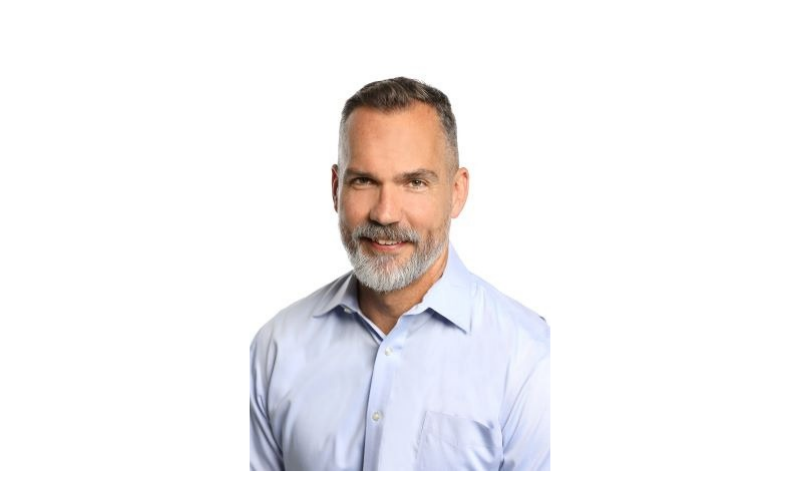
Jim Wetekamp is the CEO of Riskonnect, a leading provider of integrated risk management software. He is a recognized expert in insurable risk, enterprise risk, and organizational resilience. At Riskonnect, Jim leads a global team of risk professionals dedicated to helping organizations anticipate and manage strategic and operational risks across the enterprise.