

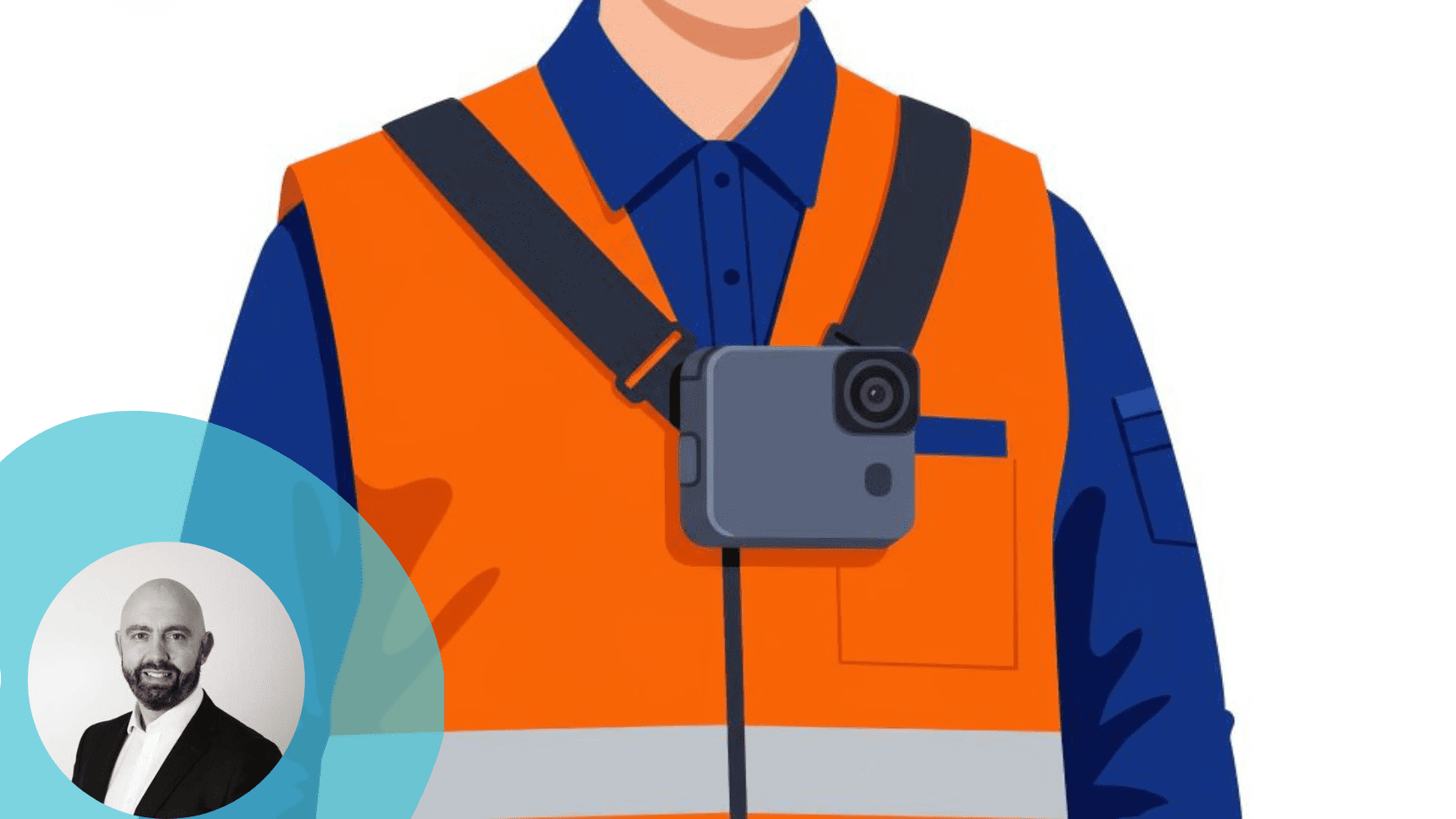
A YouGov poll of American adults from mid-2025 revealed a notable shift in sentiment around body-worn cameras. Once considered the domain of law enforcement, bodycams are now increasingly visible across everyday environments — from stores to medical offices, transit systems and venues. And it turns out that people are in favor: according to YouGov, 70% of respondents are either comfortable with, or indifferent to, seeing body-worn cameras worn by employees in more settings.
The National Retail Federation (NRF) and Loss Prevention Research Council’s October 2025 report, The Impact of Retail Theft & Violence 2025, highlighted how theft, organized retail crime and in-store violence remain persistent and costly challenges for retailers. For those navigating rising theft and customer incivility, the shift in perception of bodycams removes one of the biggest barriers to adoption — paving the way for more deployments in 2026 and beyond.
Enterprise-Wide Loss Prevention
Early retail deployments of bodycams focused on stores that were considered high-risk – those with a track record of higher theft or incidents of violence. But the scope is widening today as retailers take a more proactive approach to deterring incivility before it happens. Major retailers including H&M, Target, Walmart and Aldi all have publicly acknowledged their use of bodycams as part of their loss prevention strategies.
The appeal is clear: Bodycams introduce a visible deterrent at the point of interaction. When potential offenders know an encounter is being recorded, behavior often changes. In fact, according to the aforementioned YouGov research, 44% of respondents admitted they would think twice about their behavior if they knew employees were wearing body-worn cameras.

Situations de-escalate faster. Associates feel more confident enforcing policies. And when there is an incident, having objective footage provides an unbiased, thorough record for internal review, law enforcement collaboration and legal proceedings — should it get to that point. Importantly, bodycams don’t replace existing security infrastructure — they complement it. Fixed cameras show what happened from afar; body-worn cameras capture an up-front live view of how it unfolded and what was said.
Enhancing Employee Safety and Retention
An effective loss prevention strategy is not just about protecting merchandise and property; it’s about protecting people, too. The NRF’s previously referenced findings underscore what many operators already know: harassment and physical confrontations are becoming increasingly common for store employees.
Body-worn cameras give staff a greater sense of support, particularly those in customer-facing roles. That matters at a time when hiring and retaining frontline talent remains difficult. When associates feel safer and more empowered to handle challenging situations knowing they have backup and documentation, retailers see benefits that extend beyond shrink reduction — including lower turnover and improved morale.
A Reasonable Safety Measure
The YouGov data suggests that most shoppers no longer see body-worn cameras as intrusive or alarming. Instead, they increasingly view them as a reasonable measure to ensure safety and accountability — much like CCTV cameras, which have become such a normalized part of the retail environment that most consumers give them no thought.
This growing acceptance opens the door for broader rollouts, which means retailers can deploy more consistently, train more effectively and integrate body-worn cameras into wider reaching operational and safety strategies.
As stores grapple with rising theft, tighter margins and aggression toward staff, technology plays an increasingly important role in bolstering loss prevention strategies that are proactive rather than reactive. Body-worn cameras are becoming a mainstream tool in the overall safety and security toolkit.
Greater public acceptance has removed a key barrier to adoption, as the business case for bodycams has become clearer. For many retailers, these devices are no longer a symbol of crisis — they’re a practical tool for protecting people, property and the customer experience overall.
Alan Ring is CEO of HALOS, a global provider of body-worn camera hardware and software solutions for use in retail, transportation, healthcare, private security and more.