

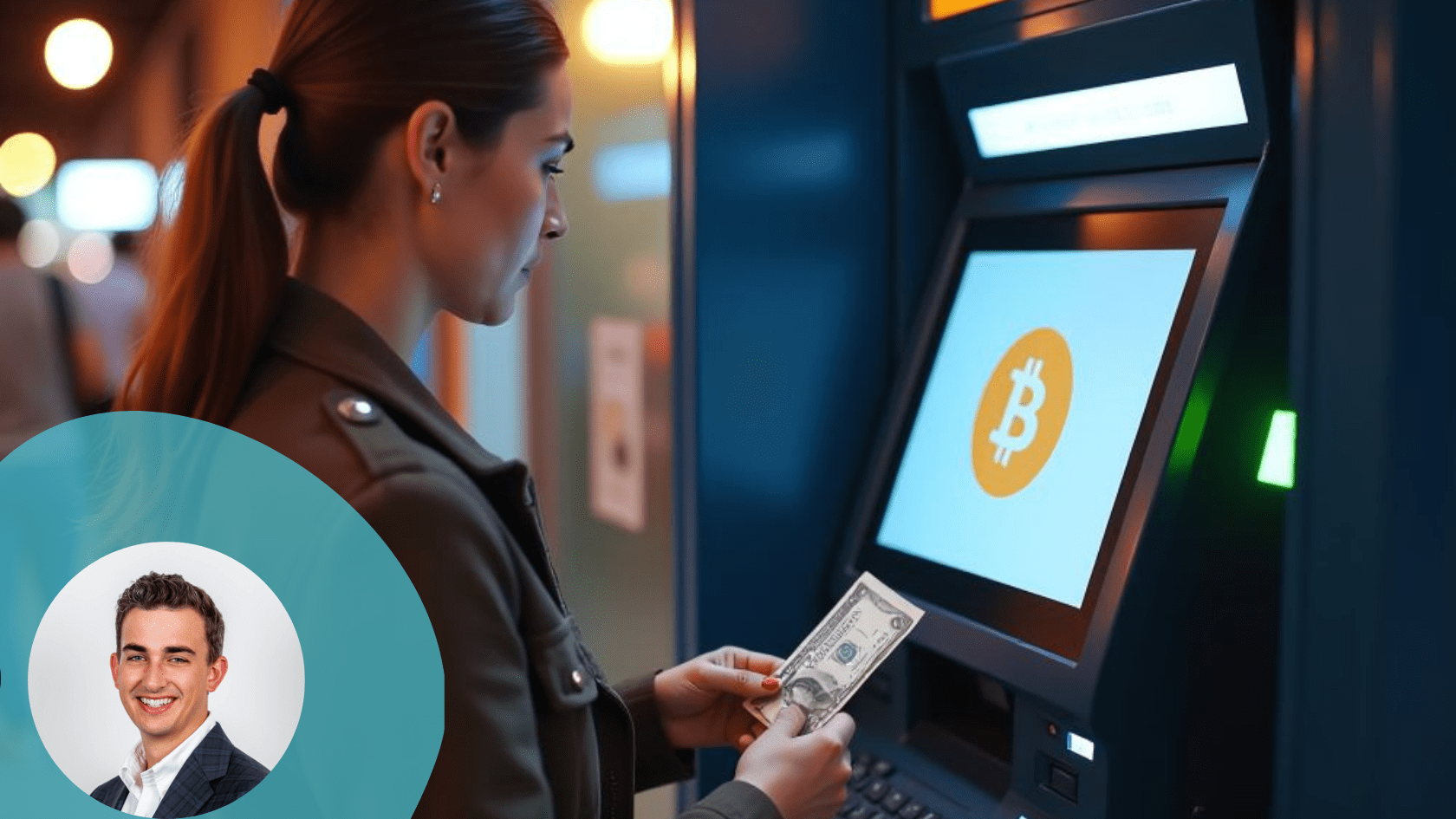
Crypto ATMs are a familiar fixture in the 2026 retail landscape. With approximately 40,000 locations operating worldwide, the self-service kiosks have become commonplace in gas stations, grocery stores, malls and convenience stores alike.
Introduced more than a decade ago as a way to bridge physical retail and the cash-based economy with the emerging world of digital assets, they have since become ubiquitous, elevating them beyond a niche novelty to a permanent financial utility. They’re now a core component of product suites across the retail spectrum – from big box grocers to rural truck stops to high-traffic corner stores.
At the same time, the broader crypto sector is rapidly evolving, and the crypto ATM market is naturally maturing in tandem. Shifting industry standards, regulations and operating models are affecting how crypto ATMs function in everyday retail settings. Across the industry, policymakers, ATM operators and industry partners are working to balance innovation and access with consumer protection as the sector becomes more established.
As industry dynamics fluctuate, it’s more important than ever for retailers to understand what’s happening in the crypto ATM industry and how those changes could affect stores that host or are considering hosting this technology, as well as the customers.

Why do Retailers Host Crypto ATMs, and Who Uses Them?
Retailers often introduce self-service crypto ATMs to expand in-store offerings and meet consumer demand for accessible financial services. Today, thousands of convenience stores host crypto kiosks, adding another in-store amenity to join other common services like traditional ATMs, prepaid and gift card offerings, lottery terminals and cashback services.
Customers who use crypto ATMs tend to overlap with those already engaging with other cash-based services in retail settings. In many cases, users favor cash-based transactions, and they may either be interested in crypto or are entirely new to the space and prefer a physical, self-directed way to access digital assets rather than navigating a more complex online exchange for the first time. For the retailer, this translates to consistent, recurring foot traffic.
Operator Considerations
As with any third-party service, the operator behind a crypto ATM kiosk plays a fundamental role in how the machine functions over time and how customers experience it.
When evaluating a crypto ATM operator, retailers may want to consider:
- Experience running large networks: Operators with experience managing kiosks across many locations are often better positioned to support consistent performance over time.
- Compliance and safety standards: As regulatory expectations evolve, clear and proactive compliance programs handled at the operator level are essential, as are well-defined consumer protection procedures built directly into the technology.
- Ease of use and customer support: Simple interfaces, clear on-screen guidance and accessible 24/7 customer support can make a huge difference for customers, particularly those using crypto ATMs for the first time.
- Reliability and upkeep: Platform uptime, routine maintenance and software updates all affect how smoothly a kiosk operates day to day.
What’s Changing for Crypto ATMs
As the crypto ATM sector matures, several structural changes are shaping how these kiosks operate in retail environments. Evolving regulatory expectations, higher compliance standards and advances in platform technology are influencing both those who operate crypto ATMs and how the machines function day-to-day.
One of the most visible changes is industry consolidation. Over the last several years, the sector has gradually consolidated around operators with the scale and infrastructure needed to meet rising operational and compliance requirements. As operating conditions and expenses have increased, we’ve seen smaller or under-resourced operators exit the market, while more established providers remain. Over time, this allows for a more standardized operating landscape and greater consistency across kiosk networks for both the industry and for retailers.
Meanwhile, regulations and local policies governing crypto ATMs continue to evolve across states and municipalities. For example, requirements related to industry factors such as consumer disclosures, transaction limits, operator licensing and kiosk fees can vary by jurisdiction and are being updated across many regions.
For operators, this adds a layer of operational complexity that necessitates ongoing monitoring, technical updates, infrastructural resources and (in many cases) a dedicated compliance team capable of ensuring alignment with local expectations. For this reason, experienced operators with larger networks are often better positioned to adapt to changing requirements in the current environment.
Alongside consolidation and compliance, consumer protection is taking center stage in discussions about the responsible growth of the crypto ATM market. The mass availability of crypto ATMs has made it easier than ever to engage with the digital economy, but it also highlights the need for clear safeguards for users who may be unfamiliar with how the technology works.
Robust fraud detection protocols are essential to prevent bad actors from interfering with the legitimate use of the kiosks and to retain consumer trust. To meet this need, operators are increasingly building consumer-protection measures directly into crypto ATMs. Features such as identity verification, on-screen education, scam warnings, transaction limits and additional safeguards for older adults are increasingly common across the industry. It’s important for retailers to note that these developments are technology-led and handled at the operator level rather than at individual retail locations.
What’s Next?
As the crypto ATM industry matures, understanding these changes can help retailers better interpret how the landscape is evolving and what to look for in a potential vendor. As crypto ATMs become more integrated into the retail financial technology landscape, the sector is now focused on strong industry standards, consistency and transparency.
When these factors guide both operators and the retailers that host crypto ATMs, the outcome ultimately benefits the people who matter most: customers.
Scott Buchanan is the former CEO of Bitcoin Depot, a leading Bitcoin ATM operator that runs the largest network of Bitcoin ATMs in North America. In his role, Buchanan leads the company’s long-term strategy and growth, applying his long-standing passion for solving complex problems and optimizing business processes. Prior to becoming CEO, he served in multiple leadership roles at Bitcoin Depot, including President, Chief Financial Officer and Chief Operating Officer. He brings a strong professional background in accounting and finance, having previously worked as a manager at Acuity Brands and as an assurance associate at KPMG. Buchanan is a Certified Public Accountant and holds a master’s degree in accounting from Wake Forest University.