

Ecommerce retailers in 2026 are watching their profit margins erode in the face of multiple financial pressures. As escalating conflict in the Middle East disrupts global supply chains and drives oil prices higher, retail leaders are bracing themselves against rising costs across component parts, finished goods and shipping. Returns are also eating into profits, with the National Retail Federation (NRF) estimating that 19.3% of ecommerce sales were returned in 2025.
Unpredictable tariffs continue to contribute to bottom-line strain in 2026, not only cutting into profits but throwing a wet blanket over consumer demand as tariff-driven price hikes influence household budgeting priorities. Given that retail prices of imported goods rose seven percentage points from pre-tariff levels — and that U.S. firms and consumers bore the brunt of the tariff impact in 2025, paying 90% of import tariffs — it’s no surprise that buyers are thinking twice before clicking “order now” on their favorite retailer’s website.
Inventory Forecasting in the Spotlight
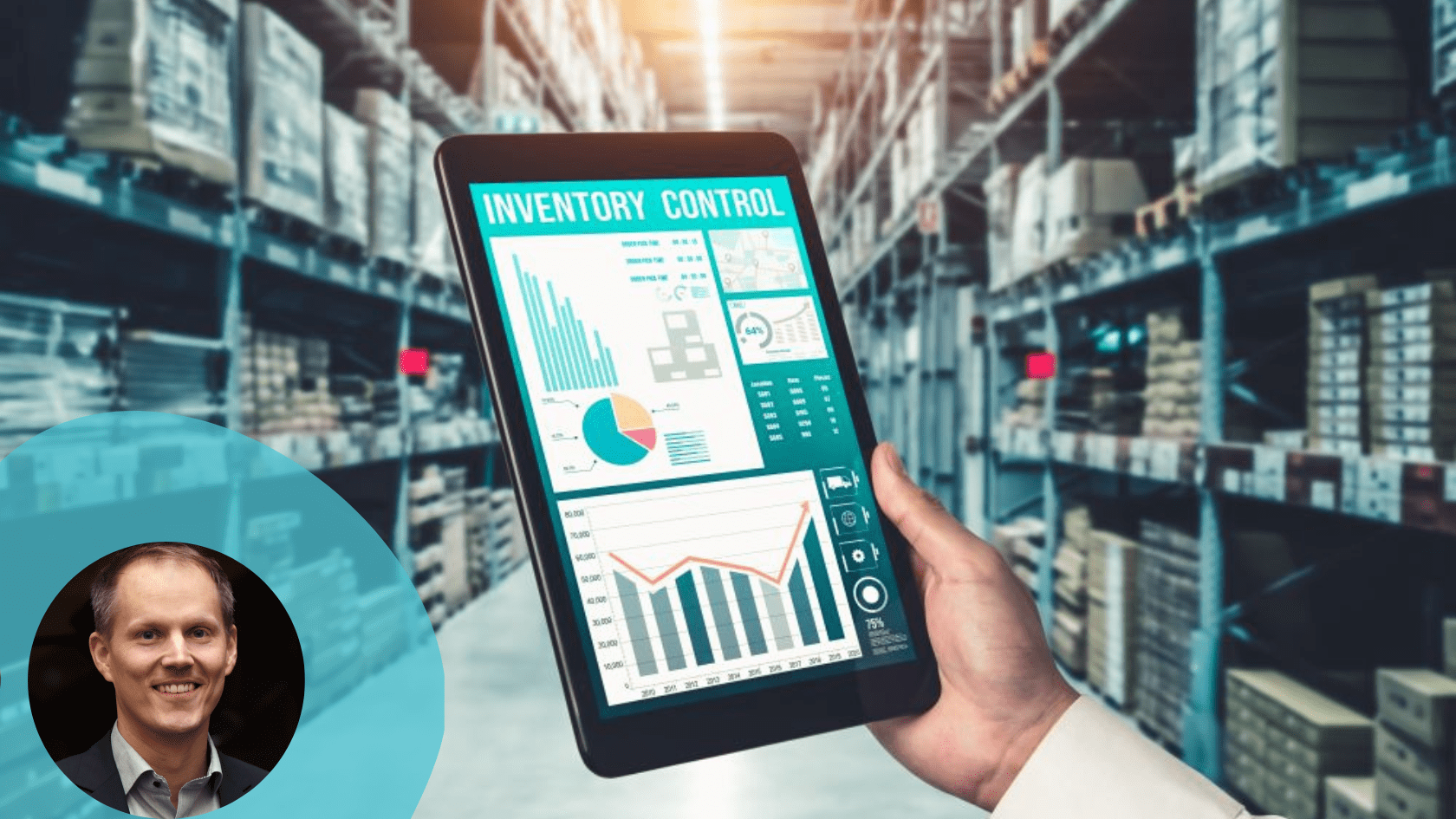
What do softening demand and tightening margin pressures mean for retailers in 2026? Savvy retail leaders are re-evaluating their ecommerce strategies from top to bottom to identify areas for efficiency gains and cost savings — without compromising the customer experience — and many eyes are on inventory management, specifically forecasting.
Given the capacity of inventory forecasting to impact cash flow, capital allocation and profitability, many ecommerce businesses are optimizing their forecasting tools and processes to shore up their bottom line. Historically, forecasting was straightforward and intuitive, with the warehouse operations team tasked with getting products listed on the right channels to fulfill orders on time. They used simple minimum and maximum thresholds, supported by spreadsheets and manual adjustments.
This rudimentary approach was sufficient when sales cycles were predictable and channels were limited. But today, brands run multiple promotional events each year, requiring a precise balancing act to ensure there are enough goods on hand to avoid disappointing customers with stockouts, while avoiding tying up capital and valuable warehouse space with excess stock.
Adding further complexity to the fulfillment process, online retailers are juggling an increasing number of SKUs, channels and marketplaces (e.g., Amazon, eBay, Walmart), while managing inventory across a geographically diverse mix of distribution centers, retail locations and third-party fulfillment services, such as Fulfilled by Amazon (FBA) and Walmart Fulfillment Services (WFS).
The High Stakes of Inventory Forecasting
In today’s complex ecommerce environment, simple forecasting is no longer enough. Unfortunately, operations leaders often lack the financial expertise, tools and bandwidth to avoid costly inventory mistakes. As a result, inventory forecasting has shifted from solely an operations concern to a significant capital allocation question, pulling financial leaders, including the Chief Financial Officer (CFO), into the decision-making process.
CFOs are keenly aware that forecasting mistakes show up not just as stockouts or overstocks, but as real hits to gross margin and working capital. Overselling leads to missed sales revenue opportunities (and disgruntled customers); overbuying often requires heavy discounting to clear excess stock. And the repercussions of these forecasting decisions are felt on the profit and loss (P&L) statement.
In fact, profitability swings can frequently be traced back to inventory decisions and a lack of visibility into forecasting workflows. Did the team buy the right products at the right time? Is stock positioned in the right locations to serve demand? Is too much cash tied up in slow-moving or returned inventory? The answers to these types of inventory questions can determine whether an ecommerce retailer will be cash-rich or cash-strapped for the next season.
Practical Steps to Minimize Risk
With so much at stake for the finance, procurement and warehouse teams, optimizing the bottom-line benefits of intelligent forecasting — and avoiding the costly mistakes of getting forecasting wrong — is critical. Ecommerce retailers can take practical steps to mitigate risk and protect margins:
- Involve finance earlier. Define forecasting requirements jointly with operations and finance instead of handing off to finance after decisions are made. CFOs can help lead the charge in solving forecasting-related problems.
- Document the forecasting process. Conduct an audit of current workflows, including who makes buying decisions, what data they rely on and where vulnerabilities and inefficiencies exist.
- Consider technology solutions. Evaluate technology based on its ability to model complexity, not just track inventory levels. Tools must account for seasonality, returns, multiple locations and channel-specific demand.
Technology Must-Have: The Financial Decision Engine
To manage inventory forecasting, many ecommerce businesses still rely on manual exports from sales channels to populate large, complex spreadsheets owned by one or two key people. Operations teams waste time cleaning and assembling data, while debating “gut feel” vs. past performance to make forecasting decisions that are hard to explain or audit.
Plus, as brands add more channels and increase the number of sales events from two to upwards of five promotions annually, forecasting decisions multiply and spreadsheet-based workflows are unable to scale to manage the increasing complexity of inventory demands.
To ensure they have the right stock in the right quantity at the right locations to meet both customer demands and revenue targets, ecommerce retailers are adopting sophisticated inventory management software that moves beyond the basic operational features (e.g., order routing, warehouse workflows, barcode support, integrations) to offer critical financial insights integral to accurate inventory forecasting.
With the impact of forecasting decisions on capital allocation, cash flow and financial risk, inventory management solutions should satisfy key CFO-driven concerns, including tracking the true cost of goods sold (COGS) — purchase prices, freight, duties, fees — and offering real-time clarity into landed cost. Inventory management tools should also reveal profitability by SKU, channel and location. In essence, inventory management software needs to function as a financial decision engine, not just a shipping and counting tool.
Parting Thoughts
Inventory management is becoming more complex by the day. More SKUs; more channels; more sales events. The result? The potential for more costly inventory mistakes. And ecommerce retailers expecting their operations teams to win the forecasting game armed with spreadsheets and manual processes are jeopardizing their company’s capital efficiency, cash flow and profit margins.
Given the direct impact of inventory decisions on profitability, inventory forecasting has become a finance-led conversation. Indeed, forward-thinking ecommerce retailers are leveraging the combined strengths of operations and finance — and moving forecasting and inventory logic out of spreadsheets and into inventory management software — to navigate complex forecasting challenges, which helps to strengthen margins, mitigate risk and build brand loyalty through a reliable customer experience.
Johannes Panzer is Head of Global eCommerce at Descartes. With 17 years in ecommerce fulfillment and shipping in B2B and SaaS, he drives the go-to-market strategy for Descartes’ ecommerce division globally. Panzer leads the ecommerce industry strategy group, managing SMEs’ software solutions, including Peoplevox, pixi, ShipRush and Ozlink.