

Most luxury watches are not investments. They’re beautiful, they’re meaningful and if you buy the right one, it’ll outlast your grandchildren. But appreciate in value? That’s a much shorter list than the marketing suggests. I’ve spent 28 years watching people learn that lesson the hard way. Right now, between tariff chaos and AI hype, the conditions for expensive mistakes have never been higher.
The Tariff Hangover Is Real and It’s Permanent
When the U.S. tariff on Swiss imports hit 39%, the market didn’t just flinch. It seized. Shipments froze. Allocations that collectors had been waiting months for evaporated. Panic buying set in. I watched people rush into purchases they weren’t ready to make because they were afraid prices would never come back down.
They were right about that last part. Rates settled at 15%, but the price increases that came with the spike? Those stayed. Luxury brands do not run sales. They don’t issue refunds on positioning. Tudor moved. Omega moved. Once a reference gets repriced at this level, that’s just the new floor.
What surprised me, and genuinely impressed me, was where collectors turned. Grand Seiko has been making extraordinary watches for decades, and so have Glashütte Original and Oris. These brands didn’t suddenly get better; buyers just finally stopped treating them as backup options. That’s a real shift and I think it sticks.
Pre-owned also went through the roof. When new inventory dries up, the secondary market fills the gap. There’s legitimate value there right now. There’s also more risk than I’ve seen in years, which brings me to the second thing reshaping this market.
AI Knows What a Watch is, but it Has no Idea What It’s Worth
Authentication technology is genuinely impressive right now. Computer vision catches finishing flaws that fool seasoned dealers. Blockchain provenance records follow a watch through every transaction. For a market where high-quality counterfeits have become terrifyingly convincing, these tools matter. I welcome all of it.
But here’s where I push back: I keep seeing buyers wave around a digital certificate like it’s a financial guarantee. It isn’t. All that certificate tells you is that the watch is real. It tells you nothing about whether it will be worth more in 10 years, or five or 20.

Desirability is what drives value in this market, and desirability cannot be tokenized. It lives in culture, in scarcity, in the kind of intangible heat that makes a reference coveted instead of just expensive. The watches that consistently appreciate are still the same short list they’ve always been: specific references from Rolex, Patek Philippe, Audemars Piguet, Richard Mille. The reason they hold value has nothing to do with a blockchain. It’s because demand is real, supply is genuinely limited and the brands have protected both for generations. Outside that group, authentication confirms you own a beautiful watch. What it’s worth in 20 years is a different conversation entirely.
What I Tell People Walking In Right Now
We’re bringing in more first-time buyers than at any point in our history. They’re younger, sharp and genuinely passionate about horology in a way that didn’t exist a decade ago. There’s also a clear shift in taste toward smaller, quieter pieces, like a 36mm Patek Philippe Calatrava that only another collector would recognize from across the room. That energy is real, and it’s good for the industry.
What I tell every client is simple: buy something you’ll still love wearing in fifteen years, because that’s probably what it will be worth in fifteen years. Work with an authorized dealer, especially in a market this volatile where provenance matters. Use every authentication tool available. And most importantly, separate the watch you want from the return you expect. When those two get conflated, that is when people end up disappointed.
The watches that endure always have. Tariffs come and go. AI will evolve. But the brands that have spent a century building something truly worth wanting will still be here. The only question is whether you bought into that legacy, or just a very convincing version of it.
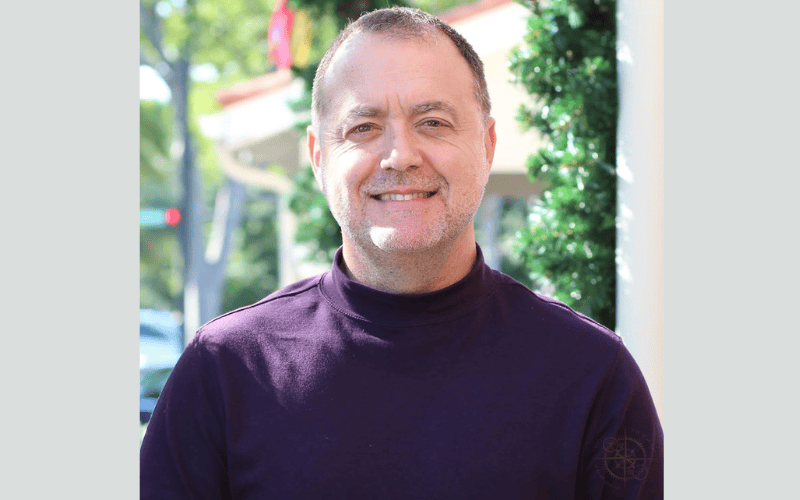
Tim Richardson is co-founder and CEO of Exquisite Timepieces, a Naples, Florida–based authorized luxury watch retailer carrying over 70 brands. Founded in 1998, Exquisite Timepieces is one of the most decorated independent watch retailers in the United States, with a global collector customer base and more than 3,000 five-star reviews. Richardson was named to the WatchPro Hot 100 list of inspiring independents.