
Retail growth used to hinge on the first win: the first click, the first purchase, the first viral moment. Today, growth looks different. It is increasingly defined by what keeps consumers coming back.
According to Similarweb’s Digital 100 U.S. 2026 ranking of the fastest-growing websites and apps, many of the retail brands with the most momentum aren’t simply generating attention – they’re engineering repeat behavior. In a value-driven, convenience-first economy, sustainable growth is shifting away from campaign-based spikes and toward frictionless digital systems that drive habitual engagement.
The new growth formula is less about hype and more about habit.
From Attention to Dependability
Over the past several years, economic pressure and choice overload have reshaped consumer psychology. Shoppers are more intentional, more cost-conscious and less impulse-driven. Casual impulse discovery is giving way to more deliberate, value-driven decision-making.

The brands seeing outsized digital growth reflect that shift.
In Fashion and Apparel, digitally native brands are posting remarkable traffic gains. Comfrt grew +330.2% year-over-year. Editorialist increased +246.3%. Quince rose +138.5%. These brands are not built around flash sales or trend cycles alone. They reduce friction around fit, pricing transparency and everyday relevance. They clarify value – whether through material quality, price positioning or wardrobe versatility – and they deliver predictable, repeatable experiences.
This signals a broader industry pattern: in today’s retail environment, dependability is outperforming novelty.
Consumers are gravitating toward brands that:
- Remove friction from decision-making
- Offer clear value signals (fit guidance, transparent pricing, durability)
- Deliver consistent digital experiences that make return visits easier
Traffic growth is concentrating around retailers and brands that simplify the path to purchase – and simplify the decision itself.
Retail Platforms are Becoming Tools
But the bigger signal in the Digital 100 isn’t just who’s growing – it’s what kinds of platforms are gaining momentum. Growth is increasingly clustered around platforms that behave less like brick-and-mortar stores and more like tools.
Depop, a leader in resale and circular commerce, grew +68.3%. LTK, which integrates creator-led discovery with embedded trust, rose +31.4%. Whering: Your Digital Closet, a wardrobe management app, increased +89.5%.
These platforms share a common thread: they help consumers manage what they already own or plan what they intend to buy.
This reflects a deeper cultural shift:
- Shopping as planning
- Shopping as optimization
- Shopping as long-term value management
Wardrobe utility is no longer niche. It represents a broader behavioral move toward using digital retail platforms as decision-support systems.
Consumers are asking: How often will I wear this? What does it pair with? Can I resell it later? Does this fit within my budget long-term?
Retailers that embed themselves into these daily or weekly behaviors – outfit planning, resale tracking, creator inspiration, wish list management – are seeing more sustained engagement than those reliant on seasonal drops alone.
Growth today favors platforms that become part of the routine.
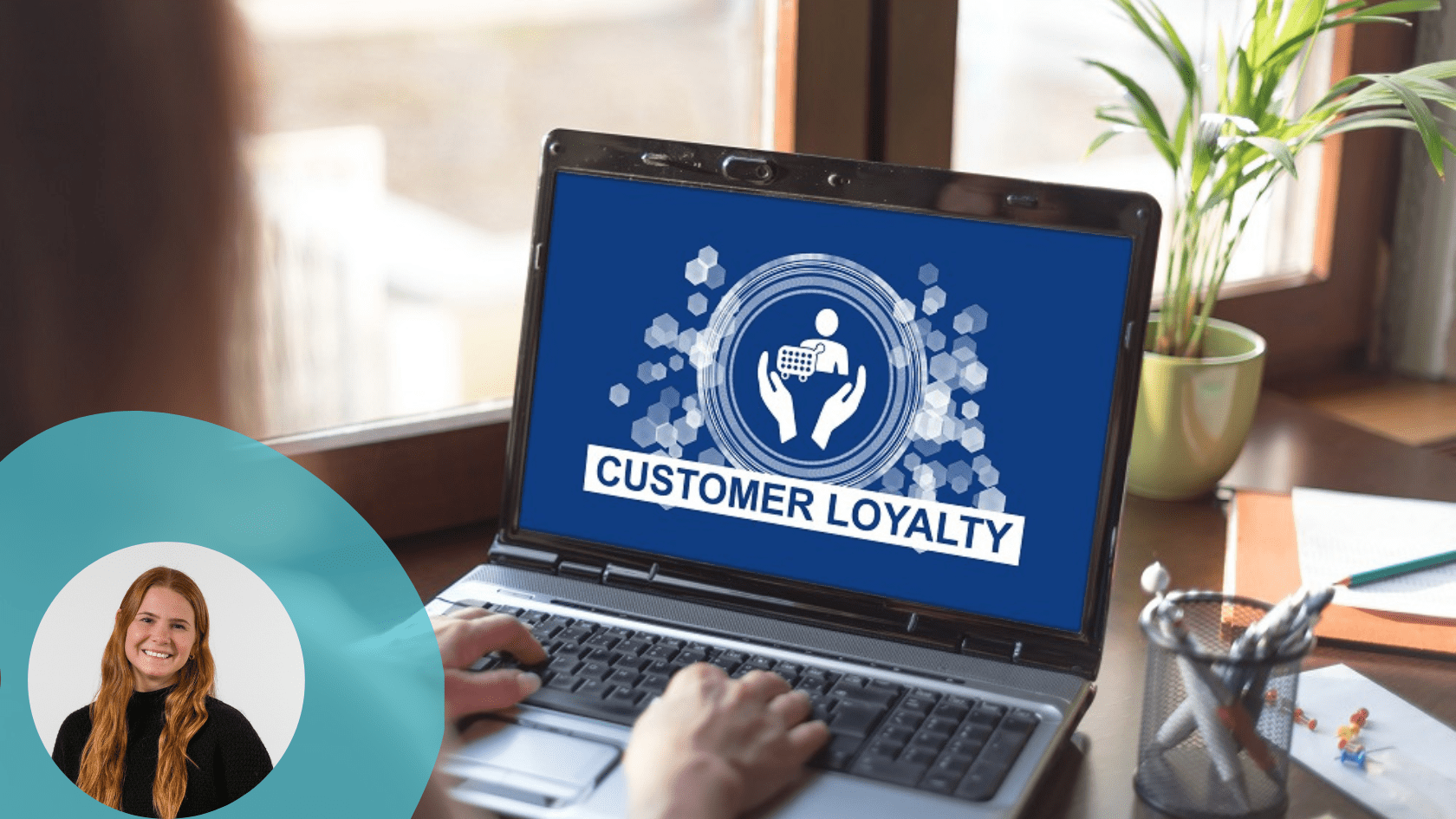
Loyalty is Becoming Behavioral
Traditional loyalty levers, such as points, discounts and limited-time offers still play a role. But they increasingly function as accelerants rather than anchors.
Emerging loyalty drivers are more structural:
- Transparent pricing models
- “Cost per wear” narratives
- Frictionless checkout and returns
- Saved payment methods and stored preferences
- Personalization that improves over time
Today’s shoppers are effort-sensitive. They keep fewer tabs open. They abandon carts faster. They make quicker decisions when the path is clear.
When brands reduce cognitive load, they increase repeat engagement.
Behavioral loyalty is built when the second purchase feels easier than the first – and the third easier than the second. The brands growing fastest are not just optimizing acquisition funnels; they are compressing friction across the entire lifecycle.
Loyalty isn’t a program anymore – it’s a product of the experience.
From Episodic to Everyday
Retail strategy is shifting from short-term traffic spikes to consistent, everyday engagement.
The traditional campaign model – built around promotions, product drops and seasonal bursts – delivers temporary lifts, but it rarely builds momentum. Today’s growth leaders are designing systems that increase visit frequency, shorten return intervals and make engagement feel natural, not forced.
Instead of asking, “How do we drive traffic this month?” retailers are asking more fundamental questions:
- How often do customers come back?
- How much time do they spend when they do?
- How quickly do they make their next purchase?
- How essential is our app or mobile experience to their routine?
These metrics reflect a deeper shift in thinking. Growth is no longer measured by peaks – it’s measured by patterns.
Features like saved carts, outfit builders, restock alerts, creator collections and personalized recommendations aren’t surface-level enhancements. They’re tools that make returning easier than starting over. Each interaction reduces friction and increases familiarity.
Sustainable growth comes from systems that reward ongoing engagement, not just the first conversion.
The Digital 100 data reinforces this pattern: brands that create repeatable digital routines are outperforming those that rely on momentary buzz. The winners aren’t just generating attention. They’re becoming part of consumers’ everyday behavior.
Designing for Return Visits
If growth is increasingly behavioral, retail design must follow.
First, retailers should build features that improve with use. The experience should become more tailored, more efficient and more valuable the more a consumer engages.
Second, value must be made visible. Shoppers want clarity around quality, longevity and versatility. Replacing promotional urgency with usefulness builds trust, and trust drives repeat behavior.
Third, retailers should think in terms of ecosystems rather than transactions. Integrated resale, creator partnerships, user-generated content and personalization layers extend engagement beyond the checkout moment.
Finally, convenience must become a core strategic pillar, not a supporting one. Streamlined product discovery, simplified sizing guidance and shortened decision cycles reduce friction, and friction is the enemy of habit formation.
The brands growing fastest are not necessarily the loudest. They are the easiest to return to.
The Future of Retail Growth is Behavioral
Retail’s next growth phase is not driven by what consumers try once. It is driven by what they return to consistently.
In a market defined by choice overload, economic scrutiny and decision fatigue, the winners will be those who:
- Make shopping easier
- Make value clearer
- Make engagement habitual
The data shows that growth is concentrating among brands and platforms that function less like seasonal campaigns and more like dependable tools.
The habit economy is taking shape across retail. And the brands that design for repeat behavior – embedding utility, reducing friction and clarifying value – will define the next wave of digital performance.
Growth no longer belongs to the most attention-grabbing brand. It belongs to the most return-worthy one.
Victoria Mauriello is the Lead Consultant for Similarweb’s Consumer Goods and Retail practice, partnering with leading FMCG and retail brands to decode digital performance and growth opportunities. She works closely with Fortune 500 and emerging companies to translate web and app intelligence into actionable strategic insights. Her expertise spans ecommerce behavior, digital loyalty and evolving consumer decision-making, with a focus on helping brands build sustainable, repeat engagement in increasingly competitive digital markets. Mauriello regularly contributes data-driven perspectives on retail innovation, behavioral growth dynamics and the future of digital commerce.