
Retailers have poured years of work into creating bigger, flashier, more immersive in-store experiences — but today’s consumers are expressing different preferences than they used to about what makes a store worth visiting. And in this moment of waning brand loyalty, listening to their opinion can make or break a business’s chances for winning over its target market.
A recent global survey by JLL offers a detailed look at these shifting preferences. The 15-country survey of 2,002 adults examined how the six dimensions of brand experience — first identified in 2018 — have evolved since then. The results reveal a major reshuffling of consumer priorities.
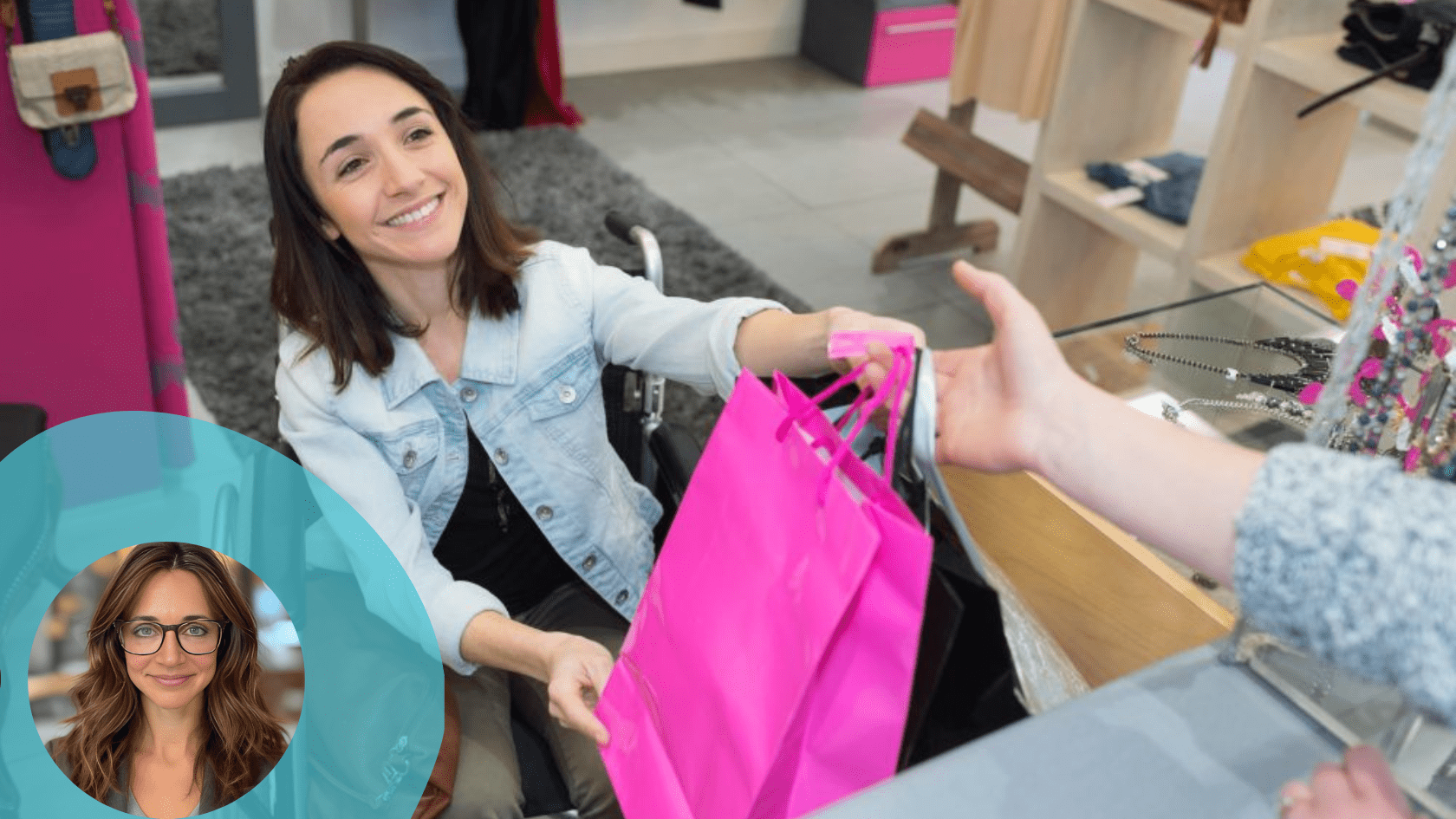
The most dramatic change is that Accessibility — once the fifth-ranked dimension of brand experience — has leapfrogged to number one. Consumers now expect stores to balance radical inclusivity with convenience, while other priorities like Customized, Intuitive and Human have also climbed the ranks.
Taken together, these shifts point to a new definition of how a great store looks and feels.
Five New Consumer Expectations Shaping Retail Design Today
Some survey results may come as a rude awakening for retailers, but they also present an opportunity for brands to show they’re listening. Following are five strategies to help draw today’s customers in — and inspire them to come again, too:
- Design for accessibility that is convenient for all and rewards loyalty.
Consumers expect stores to combine deep inclusivity with tangible rewards for engagement: 76% of JLL survey respondents say everyone should feel welcome regardless of background or budget, and half of global shoppers believe loyalty deserves personalized recognition, not generic points.
Retailers can bring this expanded vision of accessibly to life in practical ways. Walmart’s sensory-friendly hours, for example, create calmer shopping conditions for neurodivergent customers, offering a better experience for all. Sam’s Club pairs frictionless Scan & Go technology with Plus member-exclusive hours, providing both convenience and crowd-free access for loyal shoppers. And American Express has created exclusive lounge and event access that rewards membership while still welcoming new participants.
- Bring back the human touch to balance tech-driven spectacle.
AI may be the buzzword of the decade, but for most people, visiting stores or restaurants is a deliberate choice to escape the isolation of online-only engagement. Only about one in three shoppers would choose an AI-powered associate over a person, and just 37% enjoy interacting with digital screens in-store. Retailers that rely too heavily on technology risk losing what makes physical retail unique — the human element.
Starbucks, for its part, is closing dozens of “Pick Up” stores and reintroducing personal touches that make customers feel seen, including bringing back handwritten notes on cups.
- Customize the experience to feel local, personal, and ‘made for me.’
Customization has jumped in importance and evolved to increasingly focus on where consumers live. As one shopper put it, “I want to have that feeling that [a store] was designed specifically for me and my community.” Personal connection has become a powerful driver of loyalty, especially among Gen Z and millennials who grew up with personalized everything, from streaming media to targeted advertising. At the same time, consumers want a sense of local relevance, with 45% of respondents agreeing that “a store should feel distinct, reflecting the unique character of the neighborhood or city.”
Leading retailers already are tapping into this sense of personal and local relevancy. Nike Rise Tokyo, for instance, is designed around the running community, hosting group runs and events that turn the store into a local hub.
- Make shopping effortless and sensory.
After years of shopping in ever more immersive spaces, today’s consumers are craving efficiency over traditional “experiential” retail. More than half say finding what they need should feel “so intuitive it’s automatic,” and many shoppers value stores that engage the senses through touch, scent and sound. Intuitive design doesn’t mean sterile — it means clear, easy to navigate and with a sensorial, tactile feeling.
Trader Joe’s demonstrates these principles in action. With straightforward layouts, low tech and staff trained for human connection, it earns top satisfaction ratings and achieves sales per square foot nearly double the grocery industry average.
- Let purpose be present, but don’t make the store broadcast the story.
More than half of global shoppers want companies to communicate purpose, but they no longer need to see them on every wall or display. In-store, consumers want the focus on their experience, not a lofty brand ideal.
Home Depot illustrates this approach. The company invests over $100 million annually in community initiatives, but it keeps stores focused on what customers need in the moment.
Reimagining Brand Loyalty, by Design
All five insights play out differently across sectors — luxury, grocery and apparel each serve distinct audiences — but the broader takeaway can apply in any retail setting: Consumers are ready for retail to evolve again. Brands that translate these insights into design — through shopper insights, collaborative design and integrated real estate strategy — can deliver what shoppers truly value: accessibility, personalization, intuitive flow, human connection and quietly demonstrated purpose.
Those that do will meet today’s shoppers where they are — and rebuild brand loyalty for the future.
Emily Miller is Retail Strategy Leader at JLL Design. She has been spent the past 20+ years focused on one principle – great strategy starts with a consumer obsession. Miller’s experience includes leading brand strategy at Victoria’s Secret and Abercrombie & Fitch globally. Her corporate retail experience combined with her research, digital, and branding agency experience have made her a thought leader in the consumer space. She has worked globally to support clients such as Jack in the Box, Pollo Campero, Cat Monobrand, Harbor Freight, Scott’s Roundup, Wrigley, SC Johnson, Nike, L.L.Bean, Bath & Body Works, Chico’s, and DSW. Miller has a Master’s Degree in Integrated Marketing from Northwestern University.