
After years of experimentation and pilot programs, in-store retail media is entering a new phase defined by clearer strategy and execution. While the broader media ecosystem continues to grapple with fragmentation, declining trust and signal loss, the physical store is emerging as a powerful counterbalance. The reason is simple: attention.
Across recent industry conversations, several themes have begun to crystallize around the role in-store retail media is poised to play next.
In an environment where digital advertising is easy to ignore, the store offers a rare moment of focus. Shoppers are physically present, engaged and actively making decisions. Attention has become increasingly scarce and valuable, and in-store retail media is uniquely positioned to capture it.
This marks an inflection point. While retail media in Europe has almost been synonymous with in-store for some time, the U.S. market is finally catching up. In-store retail media is increasingly recognized as a core growth lever for retailers and a meaningful channel for brands.

The Store Remains the Opportunity
For years, the retail industry was dominated by predictions of store decline. Yet physical retail has proven resilient. Even as digital commerce continues to evolve, the store remains central to how consumers discover products, build trust and make purchase decisions. According to eMarketer, roughly 80% of all retail sales are still made in store.
What has not kept pace with this reality is retail media investment. Retail media strategies remain heavily weighted toward digital environments, despite the continued importance of the store – industry benchmarks suggest that a full 90% of retail media advertiser spend is in digital channels. This imbalance represents a missed opportunity, particularly as retailers look for new revenue streams that do not come at the expense of the customer experience.
Emerging technologies such as AI-assisted shopping are unlikely to replace physical retail. Instead, they increase the value of stores as spaces for discovery, reassurance and real-world connection. In-store retail media allows retailers to monetize traffic while reinforcing the role of the store as a destination rather than a transaction point.
In-Store Media is Built for the Moment of Decision
In-store retail media is gaining momentum in part because it aligns with how people actually make decisions. Purchasing behavior is often driven by subconscious and emotional cues rather than deliberate analysis. Visual stimuli, especially motion, play a powerful role in capturing attention and influencing action.
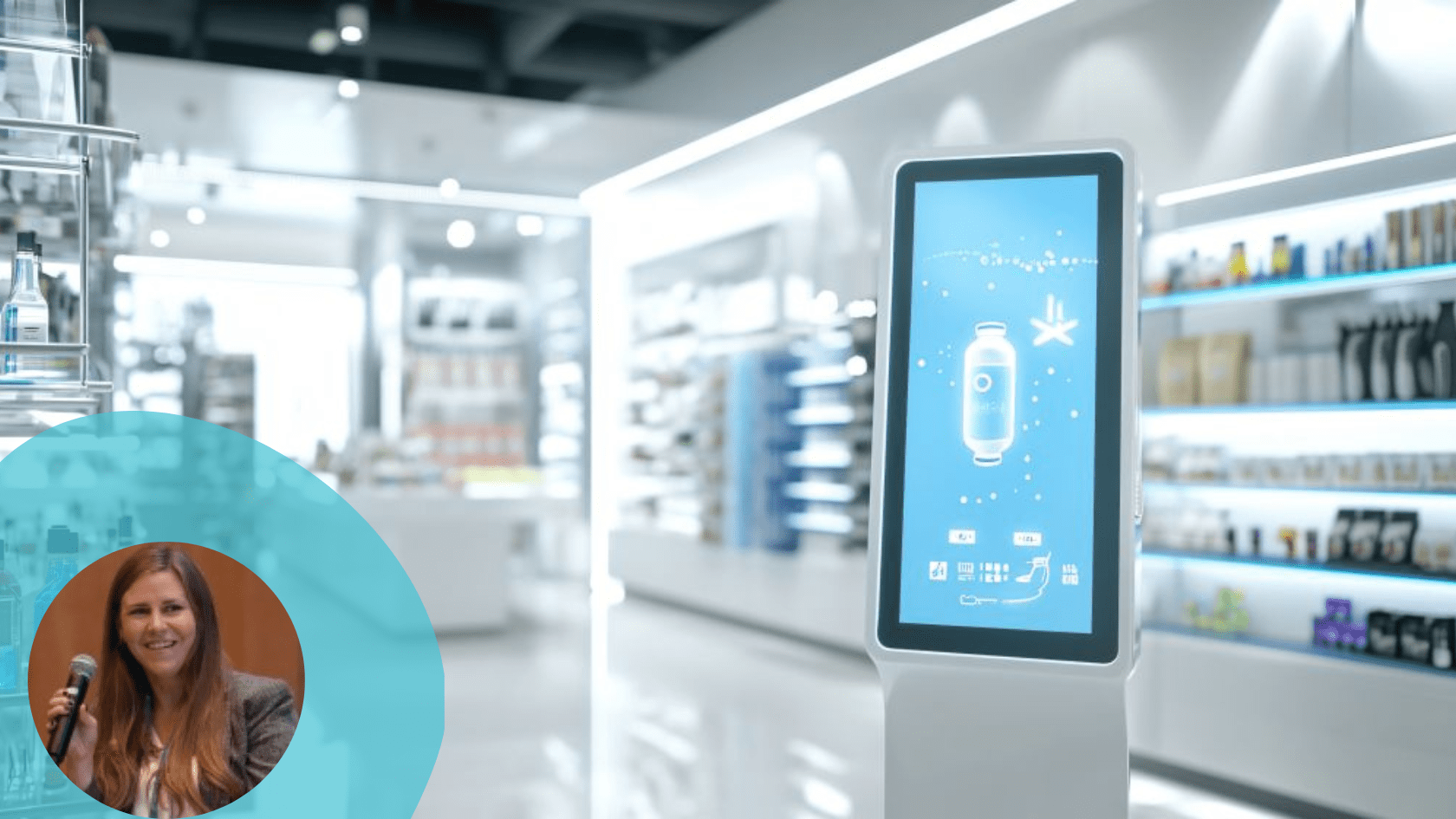
Digital screens in-store leverage these realities in ways that static signage cannot. Movement naturally draws the eye, while video engages emotional processing more effectively than text-heavy messaging. In an environment crowded with shelves, packaging and printed signage, digital media cuts through the noise.
As a result, retailers and brands are rethinking creative strategy. In-store media is increasingly used to inspire, prompt discovery and influence decisions at moments of high intent, rather than simply delivering information or promotions.
Retail Media Must Follow Retail Strategy
As in-store retail media matures, one lesson is becoming clear. Success depends less on technology and more on alignment. Retail media cannot operate as a silo separate from merchandising and core retail priorities.
The primary objective of in-store retail media must be to support the retail business itself. That may mean driving category growth, improving sales velocity or reinforcing loyalty. When media strategy aligns with retail and category strategy, placement decisions, content priorities and success metrics reinforce one another.
Misalignment remains a common challenge. Addressing this requires tighter collaboration across merchandising, marketing and media functions, along with a merchant-first mindset that prioritizes customer and retail value.
Measurement is Moving into Execution
Measurement has long been a source of debate for in-store retail media, but the conversation is shifting. Retailers are moving beyond theoretical concerns and focusing on practical ways to understand impact and improve performance. There is less handwringing, and more action.
Rather than waiting for perfect standardization, many organizations are investing in a range of methodologies to prove value to advertisers, including more sophisticated match-market testing and other statistical approaches that blend sales data and in-store sensor data. Successfully measuring outcomes is increasingly viewed not as a dashboard, but as part of a broader data managed services offering.
In-store retail media also benefits from the growing acknowledgment that measurement challenges are not unique to physical environments. Digital channels are increasingly facing their own issues related to signal loss, fraud and data quality. While it is becoming harder to measure digital media efficacy, it is becoming easier to measure in-store.
The Shift from Experience to Content
One of the clearest signs of industry maturation is a shift in focus from broad notions of experience to the more practical discipline of content. This evolution reflects a deeper understanding of what actually drives performance.
Focusing on content forces important questions: How is creative produced at scale? How does it align with the shopper journey? How does it feel native to the store environment?
This shift also exposes the limitations of generic creative approaches. Simply repurposing the same asset across multiple touch points is no longer sufficient. Effective in-store media requires content designed for the moment, the environment and the shopper’s intent.
Trust Underpins Long-Term Value
While attention may be the most visible driver of in-store retail media’s growth, trust underpins its long-term value. In an era marked by declining online authenticity and growing skepticism toward digital content, physical stores remain among the most trusted brand environments.
In-store retail media has the opportunity to strengthen this trust by delivering relevant, value-driven content. When executed thoughtfully, it enhances the shopping experience rather than detracting from it, creating value for customers, brands and retailers alike.
In-store retail media is no longer emerging. It is entering its execution phase. With clearer alignment, stronger content strategies and renewed appreciation for the role of the store, the opportunity ahead is defined not by experimentation, but by action.
Jackie Walker leads experience strategy for Publicis Sapient’s North American retail practice. She works with leading B2C and B2B brands on customer-centric strategies across digital and physical touch points. As global lead for Sapient’s Connected Retail Store Experience offering, her expertise includes in-store retail media, digital signage, data-driven CX and measurement.