
Retailers are facing a fresh wave of disruption. The economic uncertainty of a new tariff regime, coupled with the lingering aftershocks of inflation, is causing a monumental shift within the sector. With Trump’s sweeping tariffs on Chinese imports in 2025, the cost of doing business is on the rise. For retailers and loyalty leaders, this represents more than just a pricing challenge — it’s a test of trust, transparency and long-term customer commitment.
In today’s climate, brand loyalty isn’t a given. It’s fragile, and it’s being reevaluated at the checkout. Just as brands are recalculating sourcing strategies and cost structures, consumers are reassessing what they buy, who they buy it from and why it matters.
Retailers need a new playbook for loyalty — one that aligns pricing pressures with purpose and short-term cost mitigation with long-term brand equity.
Trade Tensions are Raising the Stakes
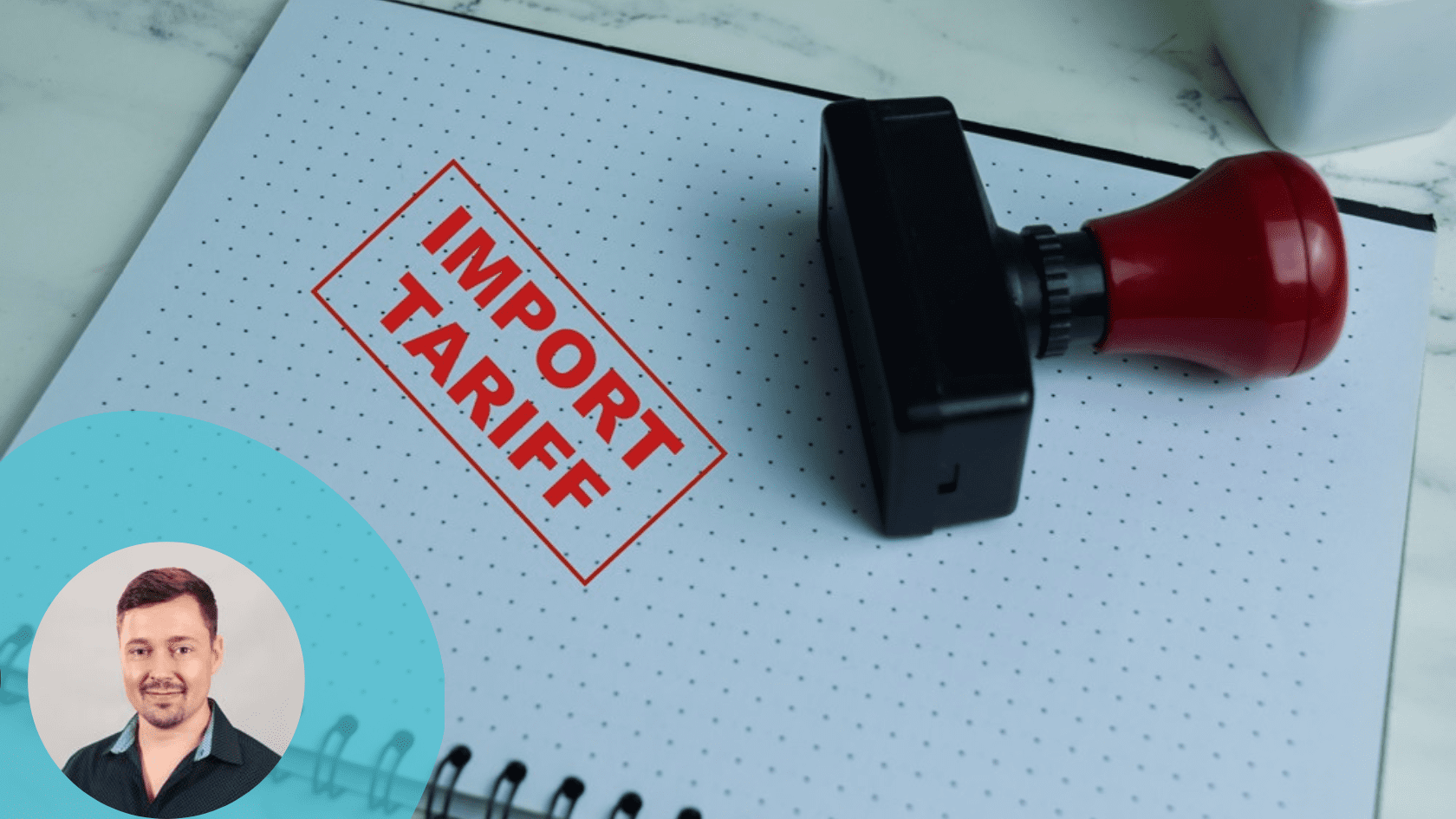
New tariffs, some as high as 245% on goods from China, are reigniting trade tensions and sending ripples across retail supply chains. While some retailers are scrambling to reshore or diversify their sourcing, others are facing tough choices between passing on the costs to consumers or absorbing the margin hit.
The broader impact? Shrinking product assortments, delayed shipments and rising prices — all of which make it harder for retailers to deliver the consistent, rewarding experiences that loyalty programs promise.
At the same time, today’s consumers are far more price-sensitive than they were during past tariff cycles. After years of inflation and budget-stretching, shoppers are delaying purchases, trading down to store brands and seeking value with greater scrutiny. For loyalty leaders, that means program perks that once felt generous may now be seen as insufficient, or worse, irrelevant.
The New Loyalty Equation: Price, Purpose and Personalization
In this volatile landscape, retailers can’t afford to treat loyalty as a ‘should do.’ They must treat it as a dynamic lever of brand resilience. That means evolving beyond transactional perks to deliver value that feels personalized, purposeful and transparent.
Here’s how:
1. Make personalization pay off.
Consumers are demanding more relevant, timely, and personalized experiences — especially as their budgets tighten. Retailers should harness AI and data analytics to tailor rewards and messaging to individual preferences. Personalized offers and intelligent rewards allocation can preserve profits while increasing perceived value. It’s not about offering more — it’s about offering smarter.
2. Communicate with radical transparency.
When prices rise or program terms change, customers want more than a notice — they want an explanation. Retailers must be clear and proactive about why changes are happening and what they’re doing to support shoppers during tough times. Brands that lean into empathy, offering flexible redemption options or installment payment plans, will earn goodwill — and that’s the very foundation of loyalty.
3. Tap into values-based loyalty.
Price still matters, but values are becoming a deciding factor. Increasingly, consumers are opting for brands that align with their ethical, environmental and social values. Retailers that integrate purpose into their loyalty programs — from carbon-neutral shipping options to charitable point donations — can forge deeper emotional connections that withstand economic turbulence.
Loyalty as a Strategy — Not a Line Item
Today’s retail environment demands a shift in mindset. Loyalty is no longer just a marketing function — it’s a strategic driver of customer lifetime value, brand differentiation and operational efficiency. Every transaction is an opportunity to learn, adapt and deepen engagement.
We’re seeing consumers shop less frequently but spend more per visit. That makes every basket — and every interaction — count. The smartest brands are using loyalty data not just to retain customers but to build experiences that feel personal, responsive and worth coming back for.
From Tariff Fallout to Trust Opportunity
If there’s one lesson from the last era of economic disruption — whether it was the 2008 recession or the COVID-19 pandemic — it’s that loyalty isn’t lost in crisis. It’s forged there.
Retailers that adapt to the new loyalty landscape with agility and authenticity will emerge stronger. Those that fail to evolve risk more than lost revenue — they risk lost relevance and reputation.
The 2025 tariff environment isn’t just a trade policy shift; it’s a loyalty litmus test. And the retailers who rise to meet it will be the ones who understand that in a world of shrinking margins and expanding expectations, trust is the most valuable currency of all.
A loyalty marketing strategist with over a decade helping Fortune 5000 brands research, plan, implement, and execute global loyalty programs, Kenn Kennedy offers compelling insight about how macroeconomic forces are reshaping customer loyalty. Kennedy leads Antavo across the U.S. and Canada, supporting global retail, hospitality, and travel brands.