

A picture is worth a thousand words, right? In today’s fast-paced digital world this has never been truer. With 65% of people being visual learners, it’s clear that the way you present your brand visually makes all the difference.
Research shows that 95% of viewers can retain a message when it’s experienced visually, compared to 10% reading it in text-only form. This underscores the importance of visual storytelling — it not only communicates your message but resonates with your audience.
In the food and beverage industry, the stakes are high and standing out requires more than just tantalizing the tastebuds. When used effectively, visual storytelling showcases what you offer and speaks to who you are as a brand. And in recipe development, this can be the game-changer. Well-developed visual recipes inspire audiences, deepen engagement and reinforce your position, thereby helping to strengthen your brand identity.
Telling your Brand Story
Visual storytelling goes beyond what’s on the plate; it makes your content not just seen but felt. It’s about capturing stories that bring your brand to life, whether it’s a peek behind the scenes or shining a spotlight on food that simply brings joy. It makes your brand relatable and develops shared experiences that forge connections with your audience.

Recipe development takes a basic dish and reimagines it, introducing fresh ingredients or techniques to breathe new life into the familiar. By developing recipes that tell a story, you bring a new perspective and create content that’s owned by you.
This kind of ownable content can position your brand at the forefront of new trends, encouraging viewers to replicate your recipes and add their own creative twists. This not only keeps viewers interested but also boosts engagement and amplifies your social presence, transforming your brand into the go-to source for inspiration and ideas. The true impact lies in the magic of storytelling — building connections between your food, your brand and the viewers who crave your content.
Bringing your Recipes into Sharp Focus
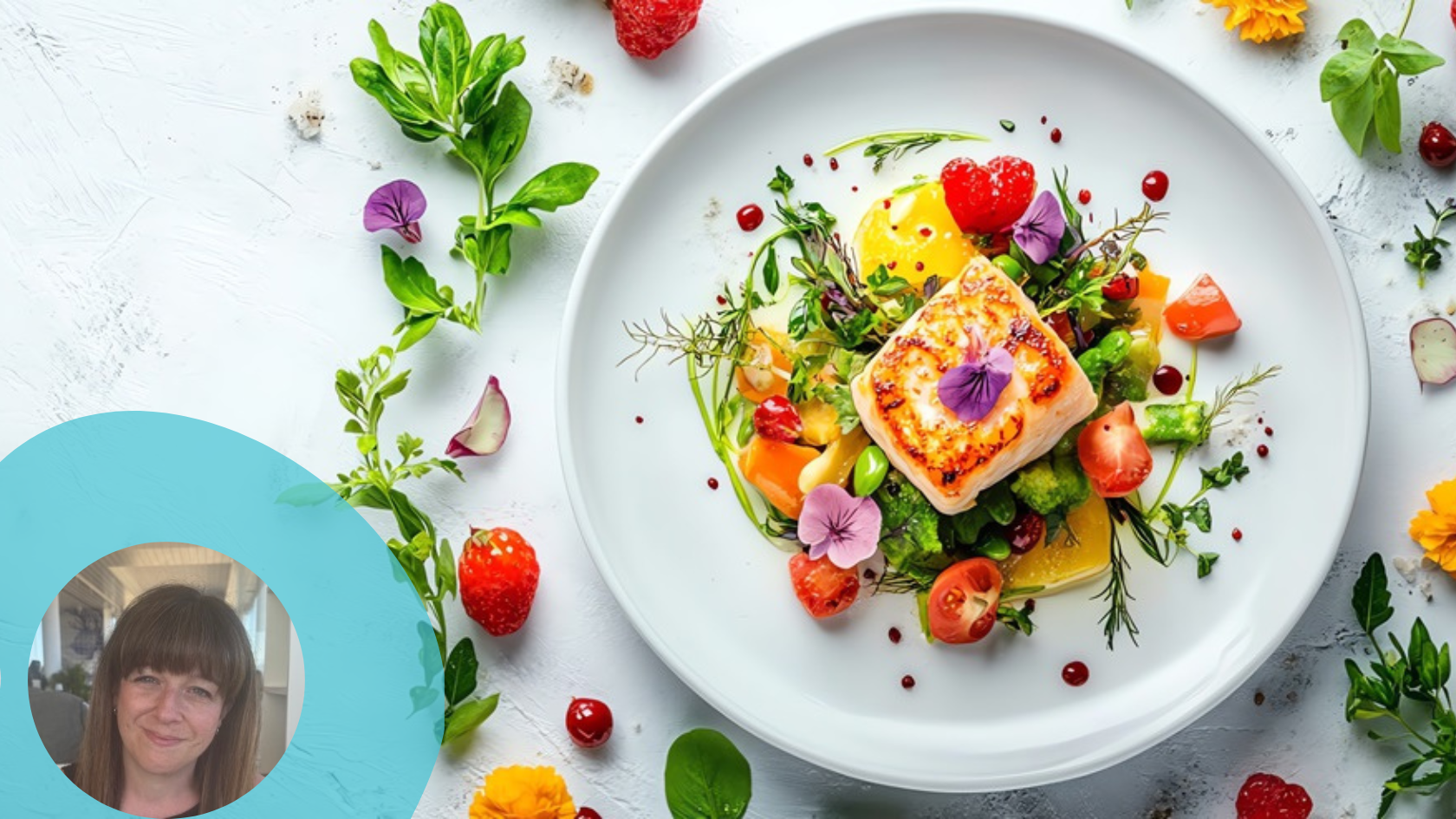
The visual impact of a recipe can make or break its appeal, regardless of how delicious or expertly crafted it may be. Poor lighting and unprofessional shots won’t make the cut and could leave viewers with a fleeting impression.
To grab your audience’s attention use all the photographic tools in your toolbox, such as props, lighting and location, to create an atmosphere that sparks intrigue and takes them to that time or place. Consider the story behind the meal — what’s the scene and occasion? Imagine who might sit at the table and how they’d present the food, so you can paint a picture in the viewer’s mind.
It’s important to think about the granular details. Props like cutlery, plates and boards should enhance, rather than overshadow, the dish. Choose a color palette that sets the right mood — does a chromatic backdrop make the food pop or will a bold color scheme create a distinctive tone? Lighting needs to be considered to fit the narrative, so think about the time of day or time of year you’re trying to communicate.
Making your Recipes Sizzle with Video Content
Recipe videos have been cooking up a social media storm, with 51% of global users hungry for this influencer content. Whether they’re tuning in for entertainment or meal creation, one thing is clear: Well-crafted recipe videos are key to captivating and converting consumers.
How can you produce high-quality videos that tell a story? Use flattering lighting, vibrant colors and fresh ingredients to make every dish appealing. Consider enlisting a food stylist as they’ll have a strong understanding of flavor pairings and the alchemy of cooking and will be able to unleash their creativity when developing recipes. They’ll also add the finishing touches, like glistening condensation on a cold drink or a perfectly placed garnish, creating content so irresistible you’ll want to reach through the screen and grab it.
Attention spans are getting shorter. In fact, 66% of viewers watch a video in its entirety if it’s less than 60 seconds, so it’s crucial to deliver your message quickly. For instance, instead of saying, “Weigh 250 grams of flour and sift into a bowl,” simply go with, “Add flour.” You can always add details in the caption or provide links for further information. The goal is to keep the video engaging and fast-paced.
To make your content more relatable, consider a human-first approach. Showing a person preparing a dish, whether it’s a close-up of their hands or them enjoying the final product, makes the recipe feel attainable and authentic, encouraging audiences to recreate it at home.
Choosing the Right Format
Recipe development is crucial to defining your brand identity. It’s not just about creativity; it’s a strategic advantage that sets you apart from competitors, helping to deepen connections, strengthen brand loyalty and create shared experiences that draw consumers into the heart of your brand.
But what are the best channels for recipe development? Well, it depends on the desired results. On social, visually engaging video and photography content needs to be short, easy to follow and strike the right balance between inspiration and aspiration. Consider embracing trends by putting your own spin on them — like the viral “smash burger taco” trend on TikTok.
Because food is innately visual, dial up the deliciousness by incorporating tempting elements, such as cheese pulls and egg dips, as this makes your content look as good as the food tastes. If you want to dive a little deeper, blogs and websites give you more room to showcase stills alongside detailed recipes, providing everything your audience needs to recreate the magic at home. By adapting to the platform’s strengths, this will help you make the most of your content, maximizing its impact and efficiency and leaving viewers coming back for more.
Emma Singleton is Production Director at Live & Breathe and has more than 15 years’ experience working in agencies across a diverse range of sectors and clients, including PepsiCo, PZ Cussons Beauty, Asda, Distell, Morrisons and Real Techniques. Now she heads up L&B Studios, helping clients and internal teams plan and implement the creation of production content across various sectors and channels.